Aging In Place Homes Connecticut: Accessible Living on the Shoreline
By Cory Tyler
Introduction: Why Aging in Place Homes Connecticut Matter
Are you searching for aging in place homes Connecticut? This comprehensive guide is designed for Connecticut shoreline seniors, their families, and caregivers who want to maintain independence, community ties, and quality of life while remaining in their own homes. Here, you’ll find everything you need to know about aging in place along the Connecticut shoreline—including essential home features, the best towns for accessible living, financial considerations, planning steps, and local resources. Whether you’re planning for yourself or a loved one, this article will help you make informed decisions about accessible living on the Connecticut coast.
Aging in place matters because it allows seniors to stay in familiar surroundings, close to friends, family, and the services they trust. By adapting your home to meet changing needs, you can avoid costly moves to assisted living facilities, preserve your independence, and enjoy the vibrant shoreline lifestyle for years to come.
Key Takeaways
Aging in place means staying in your own home and community along the Connecticut shoreline—near Long Island Sound, familiar services, and family—while adapting your living space to changing needs over time.
Common features that make aging in place safer include no-step entries, first-floor primary suites, grab bars, curbless showers, and wider doorways, many of which can be added to existing shoreline homes in Branford, Guilford, Madison, Clinton, Westbrook, and Old Saybrook.
Cory Tyler is a Madison-based real estate salesperson with Berkshire Hathaway HomeServices New England Properties who specializes in helping buyers and sellers plan for accessible, comfortable living along the shoreline.
Ready to explore your options? Call Cory at (860) 539-8301 or message him online for personalized guidance.
This article includes a practical FAQ at the end covering costs, timing, and whether to buy, sell, or renovate for independent living.
Essential Aging in Place Home Features in Connecticut
When searching for aging in place homes Connecticut, prioritize these features to ensure safety, comfort, and long-term accessibility:
First-floor primary bedroom suites to avoid stairs
Curbless, walk-in showers with grab bars for safe bathing
Wider hallways and doorways (32-36 inches) for wheelchair or walker access
Lever-style door handles and rocker panel light switches for easier use
Improved, motion-sensor lighting in hallways and staircases
Exterior wheelchair ramps and threshold-free entries
Stairlifts for multi-level homes
Relocating primary living spaces (bedroom, bathroom, laundry) to the first floor
Non-slip flooring in bathrooms and kitchens
Smart home technology for lighting, security, and temperature control
These features are essential for Connecticut homes designed for aging in place, emphasizing safety, accessibility, and mobility.
What “Aging in Place” Means on the Connecticut Shoreline
Aging in place is the ability to continue living in your own home and community as your needs change over time. On Connecticut’s shoreline, this means staying near Long Island Sound beaches, walkable town centers, and the services you’ve come to rely on—without relocating to assisted living or a retirement community like Evergreen Woods.
Connecticut homes designed for aging in place emphasize safety, accessibility, and mobility.
Cory Tyler focuses on shoreline towns including Branford, Guilford, Madison, Clinton, Westbrook, and Old Saybrook. These communities attract retirees and near-retirees from New York, Boston, and Fairfield County who want a slower pace, beautiful coastal scenery, and proximity to New Haven hospitals within a short drive.
These shoreline towns truly capture the heart of Connecticut’s coastal identity and lifestyle, offering a blend of historic charm and vibrant local culture that makes the region so appealing.
Unlike moving to a facility where monthly fees can exceed $43,000 annually in Connecticut, aging in place at home lets you protect your equity, stay connected to your community, and maintain independence on your own terms. Many clients now start planning in their 50s and early 60s—upgrading their house before mobility or health issues arise.
If you’re interested in whether aging in place on the shoreline fits your situation, call Cory at (860) 539-8301 to start the conversation.
Key Features of Aging in Place Homes in Connecticut
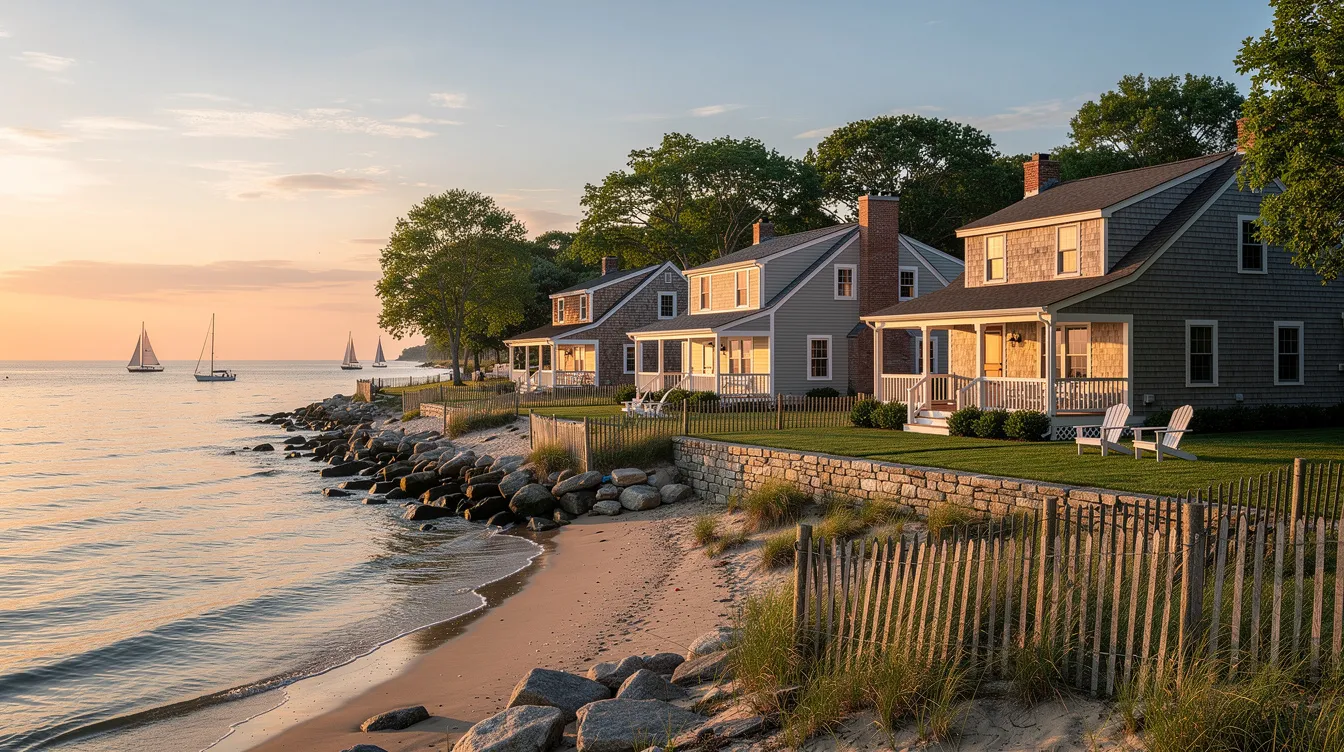
Aging in place homes aren’t special buildings—they’re regular houses, condos, or beach cottages that have been thoughtfully updated for safety, comfort, and accessibility. The right combination of features can help seniors and adults of all abilities stay comfortable for years.
Interior features to look for include:
No-step or low-step entries to eliminate barriers for walkers, wheelchairs, or those with limited mobility
First-floor primary bedroom suite to reduce or eliminate stair climbing
Curbless or low-threshold showers for safer bathing with less fall risk
Grab bars and wall blocking for bathroom safety
Non-slip flooring to prevent slips in wet areas
Lever-style door handles for easier grip, especially for arthritic hands
Motion-sensor or LED light fixtures for better visibility and reduced fall risk
Structural accessibility features matter too. Look for wider doorways (32-36 inches clear width), minimal interior thresholds, and open floor plans that can accommodate a wheelchair or walker if needed in the future.
For Connecticut’s climate, exterior features are equally important: level driveways where possible, covered entries to protect against ice buildup, safe winter parking access for home health aides or visiting family members, and paved pathways with adequate light.
Many shoreline colonials, ranches, and condos built between the 1960s and early 2000s can be retrofitted for aging in place without a full gut renovation.
Popular Connecticut Shoreline Towns for Aging in Place
Each shoreline town has a slightly different character and price point, but all offer medical access, community amenities, and a pace that’s friendlier than major cities. Here’s what to expect:
Branford
Located near Route 1 and within a 15-20 minute drive to Yale New Haven Hospital in New Haven, Branford offers condos and smaller single-family homes that work well for aging in place. The town center provides walking distance access to shops, dining, and food markets.
Guilford
The historic town green makes Guilford highly walkable. Ranch-style and cape-style homes can be adapted for accessibility, and residents enjoy Guilford’s medical offices, shoreline parks, and strong community feel. This is a great spot if you value a combination of open space and convenient services.
Madison
Madison offers beach access at Hammonasset Beach State Park, a charming small-town center, and both year-round and seasonal homes. Many buyers visit Madison planning a second home, then stay permanently. The Mystic Aquarium and Mystic Seaport are an enjoyable day trip for guests and kids visiting from out of town.
Clinton and Westbrook
These towns offer more modest price points compared to neighboring areas. Marina access, cottage-style homes, and mobile or manufactured housing provide plenty of options for budget-conscious downsizers. Both are situated conveniently along I-95 and Route 1.
Old Saybrook
Located where the Connecticut River meets Long Island Sound, Old Saybrook provides access to hospitals in New London and Middletown. Housing options include condos, 55+ communities, and single-family homes ranging from $500,000 to $800,000. The market here appeals to buyers seeking diverse accommodations.
If you’re considering one of these towns, call Cory at (860) 539-8301 for up-to-date neighborhood-level insight.
Buying an Aging in Place Home vs. Renovating Your Current Home
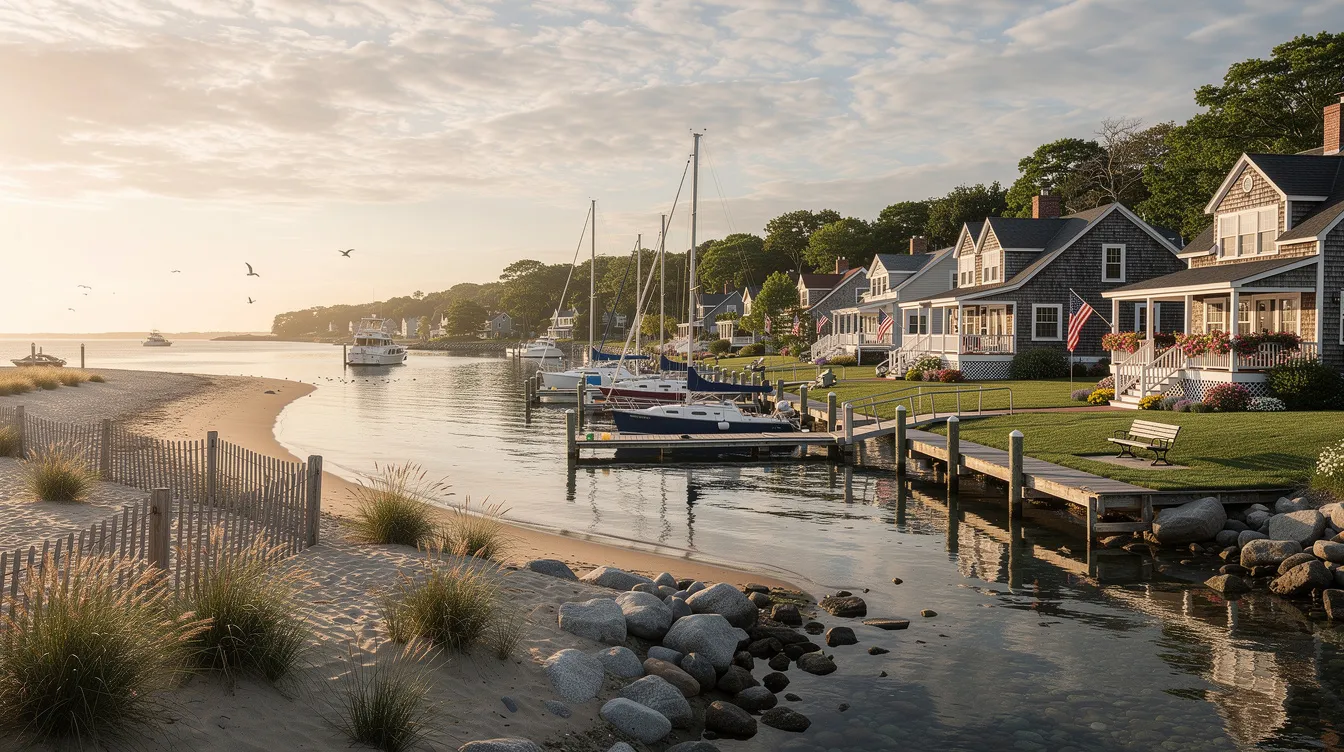
Many shoreline residents debate whether to move into a more suitable property or stay put and renovate for accessibility. Both paths have advantages.
Buying an already-suitable home can be a quicker solution. You may find a house with a built-in first-floor bedroom suite, newer HVAC and plumbing systems, and less disruption than a major renovation. This is highly recommended for relocators from York, Boston, or Fairfield County who don’t have an existing property to modify.
Renovating your existing home makes sense when you have strong emotional ties to your house and neighborhood, a good basic layout (like a ranch or first-floor bedroom), and the ability to add or modify bathrooms and entries. A 2023 Guilford colonial owner, for example, added a $40,000 first-floor suite that boosted resale value by $60,000. In 2024, a Madison ranch buyer chose a home with wide hallways ready for future mobility changes—a decision that will pay off for years.
Typical update categories include:
Bathroom modifications (grab bars, curbless showers)
Entry ramps or graded walkways
Doorway widening
Stair lifts
Kitchen reconfiguration for better reach and safety
Consult with both a local contractor and an experienced agent like Cory to understand how potential renovations may affect resale and long-term value.
How Cory Tyler Helps Clients Plan for Aging in Place Along the Shoreline
Cory Tyler is a Madison-based, client-first real estate salesperson with Berkshire Hathaway HomeServices New England Properties. He regularly works with downsizers, relocating buyers, and clients planning for the next 10-20 years in their home.
His typical aging in place client profiles include:
Longtime shoreline owners deciding whether to sell or renovate
Fairfield County couples moving to Westbrook or Old Saybrook
Out-of-state relocations (from Texas, New York, or beyond) looking for accessible homes near family members
Cory’s step-by-step support includes an initial needs assessment covering mobility, health, budget, and time frame. From there, he focuses on property searches for accessible layouts, coordination with inspectors and contractors, and guidance on town-specific permitting considerations. Staff at local offices know him well from past transactions.
With 40+ five-star Google reviews, clients consistently mention his patience, responsiveness, and thorough explanations—particularly helpful when planning for future health and mobility changes. One review noted he was “incredibly helpful and never made us wait for answers.”
Ready to learn more? Call Cory directly at (860) 539-8301 or message him securely online to schedule a no-pressure consultation about aging in place housing options.
Financial and Practical Considerations for Aging in Place Homes
Beyond floor plans and finishes, clients need to understand taxes, ongoing cost factors, and support services when aging in place in Connecticut.
Financial points to consider:
Property taxes vary by town: Madison/Guilford $25-$35 per $1,000 assessed value; Clinton/Westbrook $20-$25 per $1,000
Homeowners insurance typically ranges from $1,200-$2,000/year
Flood insurance costs $1,500-$5,000/year in low-lying shoreline areas
Maintenance costs: Older homes average $5,000-$10,000/year vs. $3,000 for newer builds
Healthcare proximity matters. Yale New Haven Hospital is a 15-20 minute drive from Branford and Madison. Shoreline Medical Center in Guilford, plus pharmacies and urgent care centers in most towns, reduce driving dependence as you age.
Transportation and walkability are key advantages here. Being near Route 1, I-95 exits, and Shoreline East train stations in Branford, Guilford, Madison, and Old Saybrook means less hassle for you and visiting family. Walkable town centers let you enjoy daily life without relying entirely on a car.
Note that Medicare and long-term care insurance typically do not pay for buying or renovating a home. Speak with a financial planner about funding accessibility upgrades. The state’s Connecticut Home Care Program for Elders may provide support for in-home care services, but not property modifications.
Begin planning several years before retirement or a major move—while you still have time and energy to make thoughtful housing decisions.
Connecticut-Specific Support Services and Resources for Seniors
Connecticut seniors can access support through programs like the Connecticut Home Care Program for Elders, which helps seniors age 65+ remain at home by funding services such as personal care and chore assistance. Area Agencies on Aging provide "Aging Answers" to connect seniors with local services across Connecticut. MyPlaceCT.org helps seniors find in-home support, housing modifications, and care services. The CT Department of Aging and Disability Services provides information on assistive technology and home modifications. REBUILDING Together provides free home repairs and modifications for low-income homeowners, particularly seniors.
Aging in Place Technology for Connecticut Shoreline Homes
Today’s seniors on the Connecticut shoreline are embracing technology to make independent living safer, easier, and more enjoyable. Aging in place technology is transforming homes from Branford to Old Saybrook, allowing residents to stay comfortable and connected while enjoying the beautiful views of Long Island Sound.
Smart home devices—like voice-activated lights, thermostats, and security systems—let seniors control their environment with just a word or a tap, reducing the need for physical effort. Medical alert systems provide peace of mind for both seniors and their families, ensuring that help is always just a button press away in case of a fall or emergency. Telehealth services are also on the rise, making it possible to consult with healthcare providers from the comfort of home, without the hassle of travel.
Communities such as Evergreen Woods are leading the way by integrating these technologies into their accommodations, offering residents a blend of comfort, safety, and independence. Whether you’re living in a single-family house or a condo along the shoreline, these innovations help you stay in your home longer, enjoy the scenery, and access the services you need with ease. With a short drive to local amenities and support always close by, Connecticut shoreline homes are truly equipped for the future of aging in place.
Healthcare and Wellness Resources on the Connecticut Shoreline
Major Hospitals and Clinics
Access to top-notch healthcare and wellness services is one of the many reasons seniors choose to stay on the Connecticut shoreline. With hospitals, clinics, and wellness centers located within walking distance or a short drive from most shoreline communities, prioritizing your health has never been easier.
Yale New Haven Hospital, located in New Haven, is a regional leader in medical care and just a quick trip from towns like Branford, Madison, and Guilford. Many shoreline communities also offer specialized services for seniors, including geriatric care, physical therapy, and in-home health support. In towns such as Mystic and Stonington, you’ll find healthcare providers and pharmacies conveniently located, making it simple to manage appointments and prescriptions without traveling far.
Senior Wellness Programs
Beyond medical care, the shoreline offers plenty of wellness options—fitness studios, yoga classes, and wellness spas—so you can stay active and enjoy a healthy lifestyle. The combination of high-quality healthcare, beautiful shoreline scenery, and accessible locations makes Connecticut’s shoreline a great place for seniors to stay healthy, comfortable, and independent in their own homes.
Socialization and Community Opportunities for Seniors
Community Centers and Activities
Staying socially active is key to a fulfilling retirement, and the Connecticut shoreline offers plenty of ways for seniors to connect, learn, and have fun. From vibrant senior centers to community events and local attractions, there’s always something happening within walking distance or a short drive.
The Mystic Senior Center, for example, provides a welcoming space for seniors to participate in fitness classes, art workshops, and social gatherings. Evergreen Woods and similar communities offer on-site amenities like restaurants, libraries, and activity rooms, making it easy to meet neighbors and build lasting friendships. For those who love exploring, a visit to the Mystic Aquarium or a stroll through the historic Mystic Seaport are highly recommended—both are located close to many shoreline neighborhoods and offer enriching experiences for all ages.
Whether you’re interested in volunteering, joining a club, or simply enjoying the beautiful shoreline with friends, Connecticut’s coastal towns provide a strong sense of community and plenty of opportunities to stay engaged. With so many services and activities available, seniors can truly enjoy every day and make the most of their independent living experience.
Transportation and Accessibility Along the Shoreline
Public and Private Transportation Options
Getting around the Connecticut shoreline is convenient and accessible, making it easy for seniors to maintain their independence and stay connected with family and friends. Many shoreline communities offer a combination of transportation services, from public buses to ride-sharing and volunteer driver programs, ensuring that seniors have plenty of options to suit their needs.
The Southeast Area Transit (SEAT) system provides reliable bus service throughout the region, while communities like Evergreen Woods offer on-site transportation to help residents get to appointments, run errands, or enjoy local attractions. Accessibility is a top priority in towns such as Mystic and Stonington, where wheelchair-friendly sidewalks, accessible parking, and thoughtfully designed public spaces make it easy for everyone to get around.
For tech-savvy seniors and their families, Google Maps is a helpful tool for planning routes and finding accessible destinations along the shoreline. Whether you’re a mom searching for the best senior living options or a senior looking to stay active and independent, Connecticut’s shoreline communities offer great support, plenty of accessible services, and a welcoming environment for all.
Next Steps: Planning Your Aging in Place Strategy on the CT Shoreline
Don’t wait for a health event or mobility challenge before aligning your housing with your long-term goals. Taking one step now can improve your quality of life for decades.
Simple starting points:
Make a list of must-haves and nice-to-haves (first-floor bedroom, open floor plan, walkable location)
Tour 2-3 homes in different shoreline towns to compare layouts and neighborhoods
Talk with family about where you see yourself in 5, 10, and 20 years
If you’re a seller, evaluate whether small changes could make your current home appealing to buyers who also want to age in place. This can potentially increase marketability and value—a true win-win.
Contact Cory by phone at (860) 539-8301 or send a secure message through this online form to get personalized recommendations tailored to your age, budget, and lifestyle.
Cory works at your pace—whether you’re testing the shoreline lifestyle with a second home, planning a relocation in the next 12-24 months, or ready to list and buy now. Your decision deserves great support.

FAQ: Aging in Place Homes on the Connecticut Shoreline
What age should I start planning for an aging in place home in Connecticut?
Many shoreline clients begin planning in their mid-50s to early 60s, often 5-10 years before retirement. This gives you flexibility to choose the right town, layout, and budget before health changes limit your options. Some buyers in their 40s purchasing a second home intentionally select a layout that will work for aging in place later—a purpose-driven decision that pays dividends in the future.
Are there enough one-level or first-floor primary bedroom homes available on the shoreline?
While classic two-story colonials are common, there’s a steady supply of ranches, capes with first-floor bedrooms, and condos with elevators or first-floor units in towns like Branford, Guilford, Madison, and Old Saybrook. Work with a local agent like Cory who can quickly identify suitable layouts as soon as they hit the site.
Can a typical older shoreline home be modified for wheelchair access?
Many 1960s-1990s shoreline homes can be adapted with graded walkways, ramp options, wider doors, accommodating bathroom changes, and kitchen reconfigurations. Feasibility depends on the specific structure and lot. Consult both an experienced contractor and a Realtor to weigh the cost and resale impact before committing to a large project.
How does flood risk affect aging in place planning near the Connecticut shoreline?
Homes closer to Long Island Sound or tidal rivers may require flood insurance and may face occasional access issues during severe storms. This can be more challenging for older adults or those with disabled family members. Have Cory review the property’s location, elevation, and typical storm history, and speak with an insurance professional about coverage.
How do I get personalized advice about my situation?
Schedule a one-on-one conversation with Cory to review your current home, desired lifestyle, and time frame. He’s highly recommended by dozens of clients for his patience and thoroughness. Call Cory at (860) 539-8301 or reach out through his online contact page for tailored guidance on aging in place homes along the Connecticut shoreline.