Coastal Property Strategy Connecticut: A Local Guide from Cory Tyler
By Cory Tyler
Why Coastal Property Strategy in Connecticut Matters
Are you considering buying, selling, or investing in Connecticut coastal property? This comprehensive guide is designed specifically for buyers, sellers, and investors interested in the Connecticut shoreline. Here, you’ll find everything you need to know about coastal property strategy in Connecticut—including regulations, property types, financing options, and investment strategies. Connecticut’s shoreline market offers unique opportunities and challenges: from strict regulatory requirements and dynamic coastal environments to the potential for strong appreciation and generational wealth-building. Understanding these factors is essential for making informed decisions and maximizing your investment in this highly desirable region.
The Connecticut shoreline is unlike any other stretch of coastline in the Northeast, with New Haven County standing out as a key part of this region. New Haven County is home to desirable coastal towns such as Madison, Guilford, Branford, and Milford, each offering scenic waterfront properties, vibrant community features, and a variety of real estate options. The area is often compared favorably to neighboring regions like Fairfield County, thanks to its strong sense of place, attractive values, and diverse waterfront opportunities. Connecticut’s proximity to major cities like New York City and Boston makes it an ideal choice for investors seeking both convenience and lifestyle appeal. Additionally, Connecticut is known for its high-quality education and healthcare systems, which increases demand for rental properties and adds to the area’s investment potential. This page directly addresses your query about coastal property strategy in Connecticut, providing actionable insights for anyone interested in this unique market.
As a licensed real estate salesperson with Berkshire Hathaway HomeServices New England Properties based in Madison, I’ve spent years working hands-on with buyers and sellers along this unique stretch of Long Island Sound. From first-time shoreline buyers to families relocating from major cities, I’ve guided clients through the nuances of purchasing property in Branford, Guilford, Madison, Clinton, Westbrook, and Old Saybrook.
Connecticut real estate along the coast isn’t generic waterfront investment. The Long Island Sound offers a protected, four-season lifestyle with direct access to both New York and Boston. Property values here reflect a combination of natural beauty, community amenities, and the kind of coastal charm that’s increasingly difficult to find within commuting distance of major metropolitan areas.
When I talk about a coastal property strategy, I mean a customized, step-by-step plan designed specifically for your situation—whether you’re buying your first beach home, selling a second property, or positioning coastal real estate as part of a long term wealth-building approach. Every decision along the shoreline market involves unique regulations, property types, and lifestyle trade-offs that require deep knowledge of these vibrant communities.
If you’re thinking about a beach home, downsizing to the shoreline, or relocating here, call Cory directly at (860) 539-8301 or message us online to talk through your options.
I work with a range of clients who share a common goal: finding the right fit on the Connecticut shoreline. That includes:
First-time shoreline buyers testing the waters
Families relocating from NYC, Boston, Fairfield County, or even Texas
Move-up buyers ready to claim their waterfront living dream
Downsizers simplifying their lives near the beach
Second-home seekers prioritizing lifestyle alongside investment goals
Unique Investment Opportunities on Connecticut’s Coast
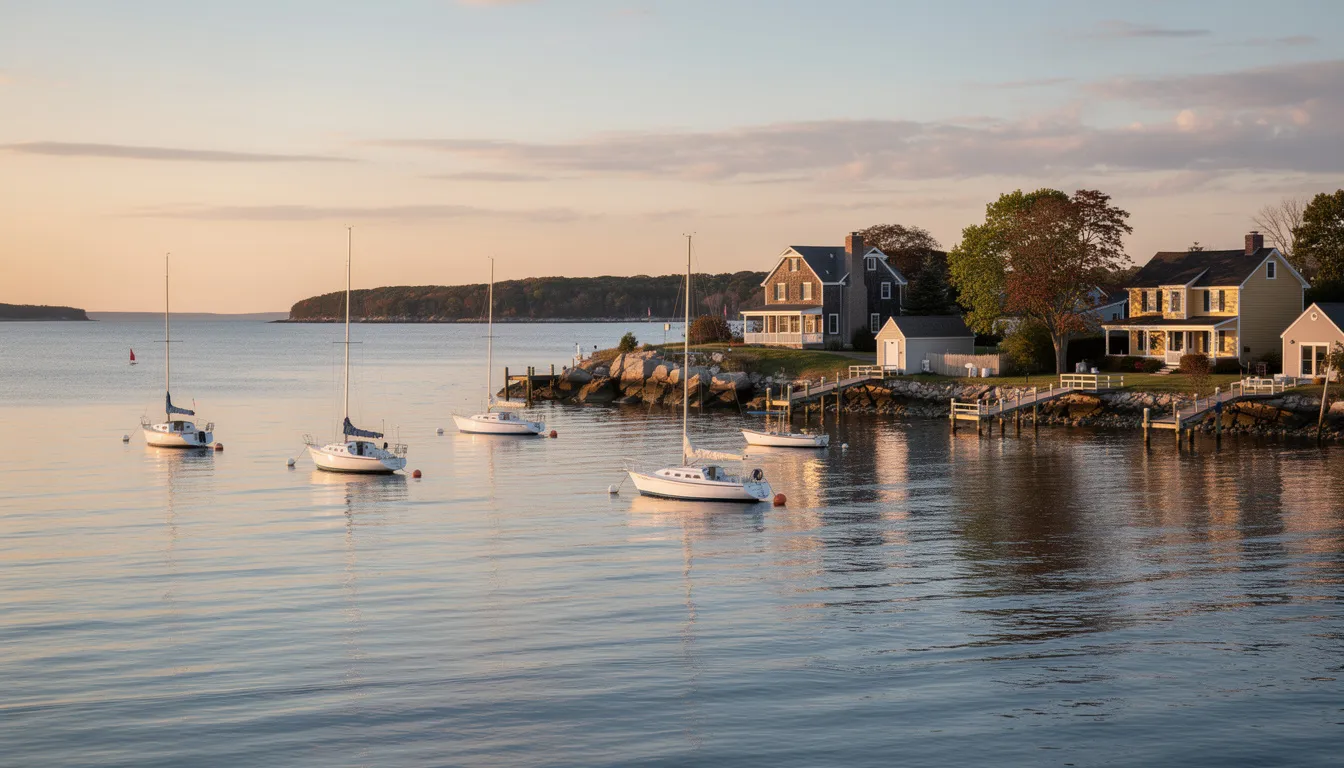
Connecticut’s coastal towns offer unique investment opportunities, particularly in the short-term rental market. The waterfront market here caters to tourism and seasonal demand, making it an appealing choice for investors looking to capitalize on both lifestyle and income potential. Connecticut waterfront properties have demonstrated consistent appreciation over decades, significantly outperforming inland properties. Many Connecticut waterfront families view their properties as generational wealth-building assets due to their strong historical appreciation. This combination of steady demand, limited supply, and robust appreciation makes the Connecticut shoreline a standout for both lifestyle buyers and long-term investors.
Understanding the Connecticut Shoreline: Lifestyle, Towns, and Trade-Offs
The Connecticut coast running from Branford to Old Saybrook offers something distinctly different from the Gold Coast of Fairfield County. Where Greenwich and Westport attract affluent buyers seeking proximity to Manhattan’s corporate offices, the central shoreline towns appeal to those prioritizing lifestyle, natural beauty, and a more relaxed pace while still maintaining reasonable access to major cities.
Commute dynamics vary meaningfully across these towns. In New Haven County’s shoreline communities—Branford, Guilford, and Madison—expect roughly 1.5 to 2 hours to reach Manhattan by Metro-North, making these viable for hybrid professionals who head into the city two or three days per week. Move east into Middlesex County’s shoreline—Clinton, Westbrook, and Old Saybrook—and you’re looking at 2+ hours to the city, which tends to attract remote professionals, weekenders, and those who’ve traded the daily commute for coastal living full-time.
Four-season shoreline living here is genuinely rewarding. Winter walks along Hammonasset Beach State Park offer solitude and dramatic views, while fall foliage over Guilford’s harbor creates stunning backdrops for afternoon sails. Spring brings the boating community back to life at Clinton’s town marina, and summer means beach association gatherings in Madison and Westbrook where neighbors become friends.
Here’s what relocating clients often find surprising: shoreline towns along this stretch frequently price 40 to 60 percent below equivalent Fairfield County waterfront properties in 2025. That gap creates compelling opportunities for young professionals, families, and investors who want waterfront homes without the premium pricing that defines Connecticut’s waterfront market closer to New York.
If you’d like to explore which shoreline town matches your lifestyle and work setup, I’m happy to walk through the options. Call me at (860) 539-8301 for a no-pressure planning conversation.
Once you’ve identified the right shoreline town and lifestyle fit, the next step is understanding the types of waterfront properties available and how they align with your goals.
Types of Waterfront Property on the Connecticut Shoreline
Before searching listings, the first tactical step in any coastal property strategy is defining the right property type. Rights, regulations, insurance costs, and purchase price vary dramatically based on what kind of shoreline access you’re pursuing. Getting clarity here saves months of wasted tours and protects you from expensive surprises.
Key Property Categories:
Direct Long Island Sound Frontage:
Towns: Madison, Guilford, Old Saybrook
Highest waterfront premiums; price ranges from roughly $1.5 million to $8 million or more
Features: Morning sunrises, private beaches, full waterfront experience
Protected Coves and Harbors:
Examples: Branford’s Stony Creek, Thimble Islands, Guilford’s inner harbor, Old Saybrook’s inlets
Excellent boating depth, storm protection, lower insurance exposure
Tidal Riverfront Properties:
Rivers: Hammonasset, Menunketesuck, Connecticut
Views, birdlife, reduced open-water exposure, nature-oriented living
Beach-Association Homes:
Towns: Madison, Clinton, Westbrook, Old Saybrook
Communities: Seaview Beach, Grove Beach, Cornfield Point, Knollwood, Pilgrim Landing
Price: $500,000 to $3 million
Shared beach access, tight-knit communities
Near-Water and Water-View Properties:
Within one to four blocks of the beach
Lower flood risk, reduced insurance, easier year-round usability
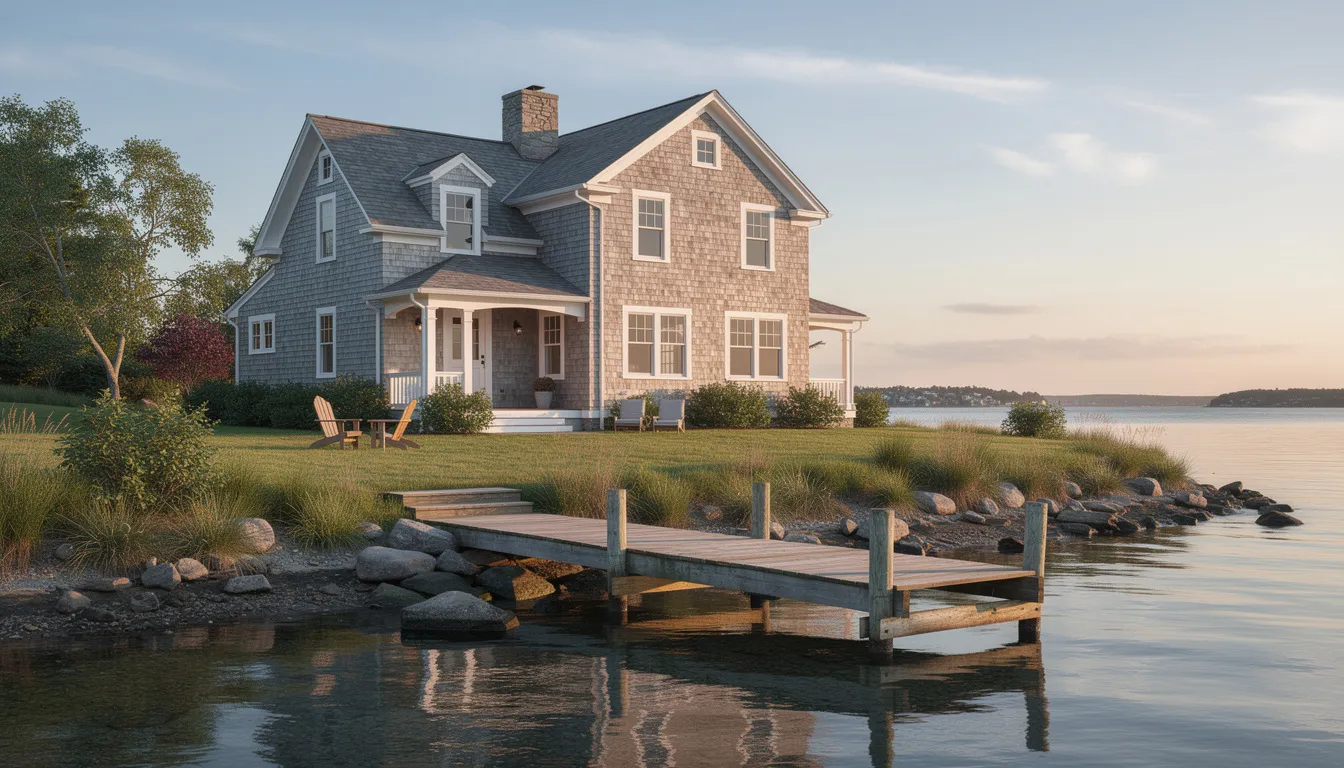
I help clients pick their category based on intended use. Whether you’re purchasing property for a full-time primary residence, a three-to-four-day hybrid commute schedule, summer and weekend use, or a long-term hold with occasional seasonal rental potential, the right property type changes meaningfully.
Already browsing listings? Before you fall in love with photos, reach out so we can clarify what type of coastal property fits your goals and budget.
For a custom coastal property short list, call or text Cory at (860) 539-8301 or message us online with your wish list.
Once you’ve identified the right property type, it’s important to understand the regulatory landscape that governs coastal real estate in Connecticut.
Key Regulations, Risks, and Why Strategy Matters
Connecticut's regulatory environment for waterfront property is complex and requires expert navigation to ensure compliance with local laws. The state’s shoreline is governed by a patchwork of federal, state, and local regulations that impact everything from building setbacks to flood insurance requirements. Understanding these rules is essential for protecting your investment and avoiding costly surprises.
Coastal Area Management Rules
Connecticut’s Coastal Area Management (CAM) rules apply within 1,000 feet of Long Island Sound and tidal rivers. These regulations are designed to balance development with the protection of coastal resources. If you’re planning additions, new decks, or any rebuilding after storm damage, you’ll need to comply with CAM and local zoning. Be aware of Connecticut Department of Energy and Environmental Protection (DEEP) regulations, as unauthorized shore structures can lead to violations. The DEEP also prioritizes “living shorelines”—which use vegetative stabilization and dune creation—over hard structures like seawalls. A “living shoreline” is a natural approach to erosion control that uses plants and natural materials to stabilize the coast, rather than concrete or stone barriers.
Connecticut's coast is dynamic; erosion and accretion can change property boundaries over time, which may affect your property lines and rights.
Flood Zones and Insurance
Many Connecticut waterfront properties fall within FEMA flood zones, which determine mandatory flood insurance requirements and construction specifications. A FEMA flood zone is an area identified by the Federal Emergency Management Agency as having a certain level of flood risk. Buyers should verify if a property is in a Special Flood Hazard Area (SFHA), as federally backed mortgages require flood insurance in these zones. Flood insurance premiums in 2025 can run from roughly $2,000 to $15,000 or more annually depending on your property’s elevation, construction year, and any mitigation measures in place.
Flood risk management may require elevating homes and utilities above base flood elevations. Flood-proofing also requires the installation of flood vents in basements and garages to allow water to enter and prevent structural collapse during flooding events.
Setback Requirements
Development near the shoreline is strictly limited, with mandatory minimum setback guidelines of 25 to 75 feet depending on the zone. A “setback” is the required minimum distance between a structure and the high-water mark or property boundary. Connecticut's coastal properties face strict setback requirements from the high-water mark, often limiting where you can build or expand. Many older cottages built decades ago are “legal non-conforming,” meaning they were built before current zoning rules and can remain, but any enlargement or significant modification requires careful permitting and may not be approved.
Septic and Wetlands Issues
Septic, well, and wetlands issues are common on older shoreline streets. A 1960s cottage on a small Madison lot might require a $25,000 to $50,000 advanced treatment septic upgrade before sale or renovation can proceed. These aren’t rare situations—they’re routine considerations that must factor into your offer strategy.
Dock and Mooring Permits
The ability to install a dock or place a mooring is not automatic with waterfront ownership in Connecticut and requires permits from multiple agencies, including local, state (DEEP), and sometimes federal authorities.
Materials and Maintenance
Use corrosion-resistant materials such as stainless steel, fiberglass, or PVC to withstand salt air in coastal properties. Metal components—HVAC systems, outdoor fixtures, railings—require replacement more frequently due to salt exposure.
I coordinate with local attorneys, engineers, and inspectors to flag these issues early. My goal is ensuring clients can walk away or renegotiate if risks exceed their comfort level, rather than discovering problems after they’ve committed.
Before you invest six or seven figures on the shore, let’s walk through your risk profile and comfort level. Call (860) 539-8301 or send a message here for a detailed, plain-English overview.
With a clear understanding of regulations and risks, the next step is to explore your financing options for coastal properties in Connecticut.
Financing Options for Coastal Properties
Financing a coastal property in Connecticut—especially in sought-after areas like Fairfield County or along the picturesque shoreline—requires a strategic approach that balances lifestyle goals with smart investment decisions. Real estate investors and buyers alike will find that the Connecticut real estate market offers a variety of loan products, but coastal living comes with unique considerations that can impact your financing journey.
Key Financing Options:
Conventional Mortgages and Jumbo Loans:
Most buyers of waterfront homes or properties with private beaches will find that purchase prices often exceed the conforming loan limits, especially in Fairfield County and other high-value shoreline towns. This means jumbo loans are frequently required. Jumbo mortgages typically have stricter credit requirements, larger down payments, and may carry slightly higher interest rates. Working with a lender experienced in Connecticut real estate—particularly those familiar with the nuances of the shoreline market—can make the process smoother and help you secure favorable terms.Second Home and Investment Property Loans:
If you’re purchasing a coastal property as a second home or as an investment property to generate rental income, lenders will evaluate your application differently than for a primary residence. Expect to provide a larger down payment (often 20% or more), demonstrate strong credit, and show sufficient reserves to cover mortgage payments and property management fees. For real estate investors, lenders may also consider projected rental income from the property, especially if you plan to offer short term rentals or seasonal leases.Flood Insurance and Additional Costs:
One of the defining features of Connecticut’s waterfront homes is their proximity to Long Island Sound and the natural beauty it provides. However, this also means many properties fall within FEMA-designated flood zones. Lenders will require flood insurance, which can significantly affect your monthly payments and overall affordability. It’s essential to factor in these costs early in your investment strategy, as well as property taxes and potential waterfront premiums.Local Lender Expertise:
Because the Connecticut shoreline market is distinct from inland areas, partnering with local lenders who understand the specific risks and regulations of coastal living is invaluable. They can help you navigate local zoning requirements, environmental regulations, and the documentation needed for properties with private beaches or unique waterfront features.Financing for Property Improvements:
Many buyers look to enhance their investment properties with upgrades—whether it’s storm-proofing, dock installation, or modernizing interiors to attract long term tenants or affluent buyers. Renovation loans or home equity lines of credit (HELOCs) can be useful tools, allowing you to spread out the cost of property improvements while increasing the property’s value and rental demand.Professional Guidance Matters:
Given the substantial financial investment involved in purchasing Connecticut waterfront homes, having a real estate professional and a knowledgeable lender on your team is crucial. They’ll help you evaluate properties, understand your financing options, and ensure your investment aligns with your long term wealth goals.
If you’re considering purchasing property along the Connecticut shoreline, I’m happy to connect you with trusted local lenders and walk you through the financing process step by step. Whether you’re prioritizing lifestyle, rental income, or long term appreciation, a tailored financing strategy is the foundation of a successful coastal property purchase.
With financing in place, you’re ready to move forward with a step-by-step strategy for buying or selling coastal property in Connecticut.
Cory’s Coastal Property Strategy: Step-by-Step Process
I use a repeatable, transparent framework for shoreline transactions, refined through dozens of closings ranging from modest beach cottages to higher-end Connecticut waterfront homes. Every client deserves to understand exactly what’s coming next, and my process delivers that clarity.
Step 1: Discovery Call and Lifestyle Interview
We start with a 20 to 30 minute conversation to clarify whether you want a primary home, a hybrid-weekend property, or a long-term generational asset. Understanding your goals shapes every recommendation that follows.
Step 2: Budget, Financing, and Insurance Reality Check
Before touring a single property, I connect clients with lenders experienced in coastal and second-home financing. We line up draft flood insurance quotes so you understand true carrying costs, not just the purchase price. Property taxes, insurance, and maintenance costs must all fit your long term growth plans.
Step 3: Target Town and Neighborhood Selection
Using real 12 to 24 month sales data and property tax comparisons, we evaluate properties across Branford, Guilford, Madison, Clinton, Westbrook, and Old Saybrook. Comparable sales tell us what market conditions actually support, not what sellers hope to achieve.
Step 4: On-the-Ground Tours and “Test Drives”
I encourage clients to rent or stay locally for a weekend in at least two towns to feel traffic patterns, neighborhood vibes, and beach culture firsthand. Many clients relocating from Fairfield County or New York find this approach invaluable for building confidence in their decision.
Step 5: Offer Strategy and Protection
We discuss contingencies—inspection, appraisal, insurance, CAM review, and legal compliance—and how to remain competitive without sacrificing safety. In a stable market, smart contingencies protect your initial capital without losing good properties.
Step 6: Coastal-Specific Due Diligence
I coordinate seawall and dock inspections, elevation certificates, septic evaluations, and attorney review of beach rights. This step catches issues that general home inspectors miss, allowing investors and homeowners alike to make informed decisions.
Step 7: Closing, Move-In, and Long-Term Planning
After closing, I help plan property improvements, introduce trusted vendors for docks, landscaping, and storm shutters, and discuss potential off-season or seasonal rental strategy if that aligns with your goals.
Recent strategy examples include selling a second home in Old Saybrook, guiding a probate sale near the water in Clinton, helping an investor expand their multifamily portfolio close to the coast, and relocating a couple from Fairfield County to Westbrook. Each transaction required adapting the framework to specific client needs while maintaining the same commitment to clear communication and hands-on support.
Ready to start at Step 1? Call me at (860) 539-8301 for a quick phone or video conversation.
With a clear process in place, let’s look at how each shoreline town offers unique opportunities and considerations for buyers and investors.
Town-by-Town Coastal Strategy: From Branford to Old Saybrook
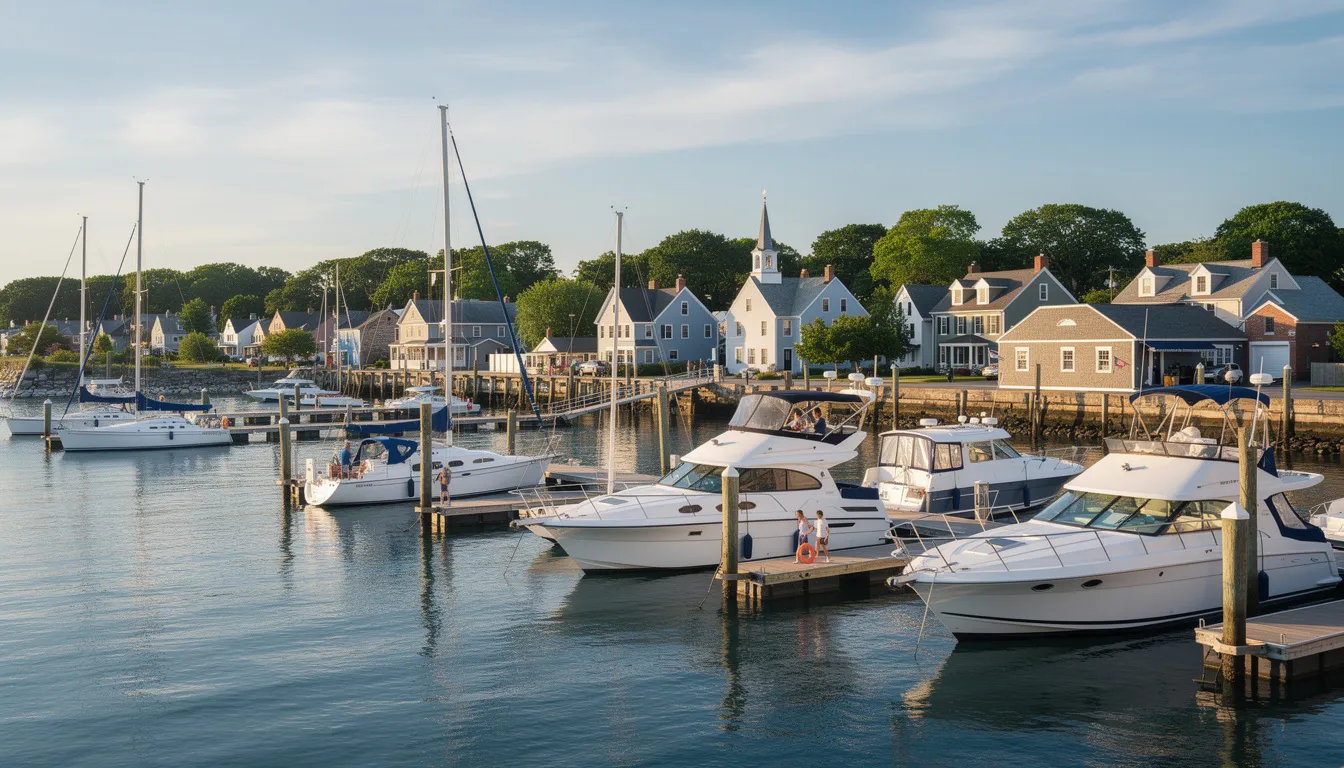
Each shoreline town offers a distinct mix of price, character, and community amenities. My job is helping clients zero in on the right fit—not just the right house. Understanding these differences upfront prevents months of unfocused searching.
Key Towns and Their Features:
Branford:
Closest proximity to New Haven and its amenities
Stony Creek and the Thimble Islands for unique island and cove living
Central shoreline neighborhoods with traditional beach-community feel
Price range: mid-$600,000s for near-water homes to several million for direct frontage or island properties
Attracts buyers seeking shoreline access with easy reach to New Haven County’s employment centers
Guilford:
Picture-perfect town green, substantial coastal character
Sachems Head: prestigious waterfront neighborhood
Coastal pricing: upper $600,000s through $5 million or more
Attracts families prioritizing strong schools and village charm
Madison:
Multiple beach associations: Seaview Beach, East Wharf, West Wharf
Walkable downtown with restaurants and shops
Coastal pricing: $500,000 for association properties to $6 million+ for direct Sound frontage
Draws NYC hybrid commuters, retirees, and buyers seeking classic New England shoreline
Clinton:
Strong value relative to western neighbors
Harbor View and beach communities for genuine coastal living
Price range: mid-$400,000s through $2 million
Attracts value-conscious buyers and real estate investors
Westbrook:
Established beach communities, quieter atmosphere
Grove Beach, Stannard Beach, and other associations
Pricing: low $500,000s through $3 million
Appeals to second-home owners, retirees, and buyers prioritizing peaceful coastal charm
Old Saybrook:
Cornfield Point, Fenwick, Knollwood: prestigious waterfront neighborhoods
Downtown with marina access, restaurants, walkable retail, train service to New York
Coastal pricing: $600,000 through $8 million+ for Fenwick properties
Attracts NYC weekenders, retirees, and buyers seeking marina culture
Buyers relocating from New York City, Boston, or Fairfield County often choose Madison or Guilford for school systems and village centers, Clinton or Westbrook for strong value and low-key beach communities, or Old Saybrook for its blend of marinas, downtown amenities, and Metro-North access. Notably, New Haven and Bridgeport (Black Rock) offer higher cap rates (8–12%) and lower entry points compared to Fairfield County, making them attractive options for investors seeking better returns.
Connecticut's coastal towns, especially in New Haven County, offer unique investment opportunities, particularly in the short-term rental market. The waterfront market here caters to tourism and seasonal demand, making it an appealing choice for investors looking to capitalize on both lifestyle and income potential.
I also work across Connecticut if a client wants to balance a shoreline property with an inland investment or multifamily purchase in another area. Real estate investing often involves geographic diversification, and I can help you think through those broader investment goals.
Now that you know the unique features of each town, let’s explore how investment, rental income, and long-term wealth-building work on the Connecticut shoreline.
Investment, Rental Income, and Long-Term Wealth on the Shoreline
Connecticut’s shoreline market offers both lifestyle benefits and real estate investment potential when approached strategically. The rental market has been thriving, with increasing demand for rental units, making coastal property strategy in Connecticut especially attractive for investors.
Historical Appreciation and Generational Wealth
Historical appreciation patterns for Connecticut shoreline property tend to outpace nearby inland real estate markets over 10 to 30 year periods. Finite supply—there’s only so much Long Island Sound frontage—combined with consistent demand from regional buyers creates favorable conditions for long term appreciation. Many Connecticut waterfront families view their properties as generational wealth-building assets due to their strong historical appreciation.
Short-Term Rental Opportunities
Seasonal rental potential exists throughout Madison, Guilford, Old Saybrook, and Westbrook. Prime summer weeks can rent for several thousand dollars, with entire July or August seasons sometimes offsetting a large portion of annual carrying costs. For property owners willing to manage short term rentals, rental income can meaningfully improve cash flow on investment properties. Seasonal demand driven by tourism means occupancy and revenue can fluctuate, with peak summer months offering the highest returns.
Zoning and Compliance
However, zoning and short-term rental rules vary significantly by town and beach association. Some communities allow weekly rentals, others require minimum 30-day terms, and certain associations prohibit short-term rentals entirely. Before relying on rental demand to justify your purchase, confirm local zoning permits your intended use. Legal compliance isn’t optional—it’s essential for protecting your investment.
Landlord-Tenant Law and Cash Flow
When considering rental properties, it is crucial to have clear rental agreements that comply with Connecticut landlord-tenant law to protect both landlords and tenants. Security deposits are also an important part of tenant screening and rental agreements, with Connecticut law specifying limits and requirements for handling these deposits. Managing rent increases appropriately is key to maximizing investment returns and adapting to changing market conditions, ensuring your property remains competitive and profitable.
I work with clients to run conservative cash flow scenarios that account for property taxes, flood insurance, property management fees, and ongoing maintenance. Together, we determine whether to structure a purchase as a pure second home, a hybrid personal and rental use property, or a long-term hold that transitions to full-time residence later. For clients pursuing positive cash flow from seasonal rentals, I connect them with trusted local property managers, cleaners, and contractors who understand shoreline properties. Real estate investment also offers tax benefits, such as deductions for mortgage interest, property taxes, and depreciation, which can enhance overall profitability.
Budgeting for the Unexpected
One caution I share with every buyer: don’t stretch to your maximum budget on the purchase price alone. Coastal property ownership involves ongoing shoreline maintenance and occasional unexpected repairs that require financial cushion. A substantial financial investment in a waterfront home should include reserves for the realities of salt air, storms, and aging infrastructure.
Proper maintenance and storm preparedness are essential for protecting your investment and enjoying the coastal lifestyle for years to come.
Maintenance, Storm Preparedness, and Owning Smart on the Coast
Maintenance is part of the coastal lifestyle—manageable and predictable when you plan ahead, stressful only when owners are caught unprepared.
Exterior Maintenance and Materials
Siding, roofing, and windows designed for salt air and wind resistance cost more upfront but save substantially over time.
Use corrosion-resistant materials such as stainless steel, fiberglass, or PVC to withstand salt air in coastal properties.
Metal components—HVAC systems, outdoor fixtures, railings—require replacement more frequently due to salt exposure.
Seawall, Shoreline Protection, and Living Shorelines
Seawall or shoreline protection represents a major cost category for properties with such infrastructure.
Major seawall repairs can easily run into tens of thousands of dollars, and complete rebuilds can exceed six figures.
Connecticut DEEP prioritizes “living shorelines” that use vegetative stabilization and dune creation over hard structures like seawalls.
Seasonal Maintenance Tasks
Spring: Dock installation, opening outdoor spaces, checking for winter storm damage
Summer: General upkeep, minor repairs, routine service calls
Fall: Dock removal where applicable, storm prep, gutter and roof checks before winter
Winter: Monitoring ice, wind, and coastal flooding risks, particularly during nor’easters
Building Your Team
I routinely connect new buyers with trusted local vendors—dock companies, landscapers, snow removal services, and coastal-savvy inspectors who understand what to look for. Building your team before you need them urgently makes property ownership dramatically smoother.
Reserve Fund Planning
Building a reserve fund for coastal maintenance is part of my upfront strategy conversations. Responsible property ownership means anticipating the costs unique to waterfront living rather than treating them as unexpected emergencies.

The right guidance and support can make all the difference in your coastal property journey. Here’s who I work best with and how I can help you.
Who Cory Works Best With (And How He Can Help You)
I’m a highly reviewed, client-first agent based in Madison with over 40 five-star reviews on Google and Homes.com. Clients consistently mention responsiveness, patience, and clear communication as defining features of working with me. Those aren’t marketing claims—they’re reflections of how I approach every transaction.
Who I Help:
First-time shoreline buyers:
Benefit from professional guidance through unfamiliar territory, including regulations, insurance requirements, and community dynamics.Relocating professionals:
From New York City, Boston, Fairfield County, or out-of-state—including a recent client from Texas—need neighborhood, school, and commute guidance that only comes from local expertise.Clients selling or repositioning second homes:
Including estate or probate situations along the shoreline, require patient, knowledgeable support through sometimes complicated processes.Real estate investors:
Interested in adding coastal single family homes or small multifamily properties near Long Island Sound work with me to evaluate properties based on rental demand, tenant screening considerations, and realistic cash flow projections.
I personally attend inspections, walk flood lines and beach access points with clients, and coordinate between attorneys, lenders, and inspectors. Hands-on support isn’t an add-on—it’s how I work with every client, whether you’re buying a starter cottage or a substantial waterfront estate.
Ready to take the next step? Here’s how to start building your Connecticut coastal property strategy today.
Next Steps: Build Your Connecticut Coastal Property Strategy with Cory
Information is valuable, but a concrete plan is what actually gets you to closing day. Rather than browsing listings endlessly online, let’s turn your interest into a customized coastal property strategy.
When you call me first, you gain clarity on budget, flood realities, and true insurance costs before emotional attachment clouds your judgment. You get a short list of shoreline towns and property types that genuinely fit your goals—not generic listings that waste your time. And you receive a step-by-step strategy for the next 3 to 12 months, whether you’re buying this season or just starting to explore Connecticut’s waterfront market.
To start your coastal property strategy for Branford, Guilford, Madison, Clinton, Westbrook, or Old Saybrook, call or text Cory at (860) 539-8301 or message us online for a no-pressure consultation.
If your timeline is 6 to 24 months out, that’s perfectly fine. I frequently help clients “test drive” shoreline living with rentals and exploratory visits before they buy. Long term tenants in this market often become eventual buyers, and understanding the lifestyle firsthand builds confidence in your eventual purchase.
Smart, strategic planning today leads to a more enjoyable and sustainable coastal life for years to come. Whether you’re seeking resale value, build wealth opportunities, or simply the daily pleasure of coastal living, I’m here to help you navigate Connecticut’s shoreline market with the patience, expertise, and hands-on support my clients have come to expect.