Top Tips from a Connecticut First Time Homebuyer Agent
By Cory Tyler
Buying your first home in Connecticut? A Connecticut first time homebuyer agent can help you find the right property and navigate the purchasing process smoothly. This article explains what these agents do and how they assist you in making informed decisions. As of 2024, Connecticut's median home price was approximately $432,000, highlighting the importance of expert guidance in this competitive market.
Ready to find your ideal home with the help of a Connecticut first time homebuyer agent? Contact Cory Tyler today to explore the best homes for sale in Madison, CT. Reach out to Cory Tyler at (860) 539-8301 or connect online here for personalized support and expert guidance throughout your homebuying journey.
Key Takeaways
Engaging a dedicated first-time homebuyer agent like Cory Tyler provides access to exclusive property listings, market insights, and a network of essential professionals, enhancing the home buying experience.
Connecticut offers several financial assistance programs for first-time homebuyers, including forgivable loans and down payment aid, aimed at alleviating the financial barriers to homeownership. CHFA provides the Down Payment Assistance Program (DAP) that offers low-interest second mortgages for down payment or closing costs.
Understanding mortgage options is crucial for first-time buyers; various loan types such as FHA, USDA, VA, and conventional loans each present unique benefits and requirements, including their own minimum down payment requirements, that can significantly impact long-term costs.
The Role of a Connecticut First Time Homebuyer Agent

When stepping into the real estate market as a first-time homebuyer, having a dedicated buyer’s agent can be a game-changer. A local real estate agent like Cory Tyler can provide you with specialized knowledge of the Connecticut housing market, ensuring you are well-informed about the best neighborhoods, property values, and market trends. Connecticut's housing market can vary significantly in pricing across different counties and towns, making local expertise invaluable.
One of the significant advantages of engaging a real estate agent includes:
Access to a broader range of listings beyond what typical online platforms offer, enhancing your home search with more options that meet your specific needs.
The ability of top agents like Cory Tyler to assess a property’s fair market value.
Identification of potential hidden issues that could impact your investment.
A dedicated agent also connects you with essential professionals such as mortgage lenders, real estate attorneys, and home inspectors. This network streamlines the buying process, ensuring you have expert advice at every step. Importantly, having a buyer’s agent means you don’t incur commission costs, as these fees are typically covered by the seller.
In essence, a first-time homebuyer agent serves as your guide, advocate, and advisor, helping you navigate the complexities of the home buying process with confidence and ease.
Benefits of Working with Cory Tyler, Your Local Expert
Cory Tyler stands out as a premier real estate expert in Connecticut, bringing a wealth of local knowledge and expertise to his clients. Born and raised in Connecticut, Cory has an in-depth understanding of the regional housing landscape, which is further enhanced by his educational background as a University of Connecticut graduate.
Cory’s client-first approach ensures that your needs and preferences are prioritized throughout the home buying process. Known for his integrity and professionalism, he is committed to providing a seamless and stress-free experience. His association with Berkshire Hathaway underscores his dedication to maintaining high standards in every transaction.
Clients consistently praise Cory for his thorough communication and responsiveness. His willingness to provide detailed answers to any questions showcases his patience and dedication to client satisfaction. A client highlighted Cory’s ability to connect them with various professionals, which significantly enhanced their home buying experience.
Choosing to work with Cory Tyler means partnering with a real estate agent who is deeply committed to your success, ensuring that you find the perfect home and navigate the buying process with confidence.
Assessing Readiness for Homeownership
Assessing your readiness for homeownership is a foundational step in the home buying process. Before you start searching for your dream home, it’s important to take a close look at your financial situation. This includes reviewing your credit score, calculating your debt-to-income ratio, and ensuring you have a stable source of income. These factors not only determine your eligibility for a mortgage but also influence the types of payment assistance programs you may qualify for in Connecticut.
The Connecticut Housing Finance Authority (CHFA) offers a range of payment assistance programs, including the Down Payment Assistance Program (DAP), designed to help first time homebuyers cover essential costs like down payment and closing costs. To take advantage of these programs, eligible homebuyers must meet certain requirements, such as a minimum credit score and specific income limits. These criteria are in place to ensure that assistance is directed to those who need it most and to help alleviate potential homebuyers’ inability to cover upfront expenses.
By carefully evaluating your financial readiness and understanding the eligibility requirements for assistance programs, you can set yourself up for a smoother and more successful home buying process. Taking these steps early on will help you make informed decisions and maximize the support available to first time homebuyers in Connecticut.
Understanding Connecticut First-Time Homebuyer Programs

Connecticut offers a variety of first-time homebuyer programs designed to make homeownership more accessible. The Connecticut Housing Finance Authority (CHFA) plays a vital role in this effort by providing competitive rates and financial assistance for down payment and closing costs. These Connecticut homebuyer assistance programs are tailored to help first-time homebuyers navigate the financial challenges of purchasing a home, including all CHFA first mortgage loans. A CHFA first mortgage loan is the primary financing option for many first-time buyers and is often paired with down payment assistance. Additionally, municipalities in Connecticut may offer their own first-time homebuyer programs and assistance. CHFA has specific income and purchase price limits which vary by city or town for its loan programs.
One of the standout programs is CHFA’s Time To Own, which provides forgivable loans to cover a portion of the down payment and closing costs for eligible buyers. A portion of the loan is forgiven annually on the anniversary date of the loan closing, typically 10% of the principal balance each year, until the loan is fully forgiven after ten years. Additionally, the Down Payment Assistance Program (DAP) offers financial aid of up to $15,000 to help cover these critical expenses. The interest rate for the DAP loan is equal to the first mortgage interest rate or 5%, whichever is lower. HFA Preferred loans are also available through CHFA, offering below-market interest rates and reduced insurance costs for eligible buyers. Programs like MyHomeCT can also provide grants for mortgage payment assistance, with some grants reaching up to $50,000, making it easier for buyers to start their own program. The Housing Development Fund provides down payment assistance through low-interest second mortgages for first-time buyers. CHFA, which has been operating since 1969, has helped approximately 150,000 residents buy their first homes.
Eligibility for these programs typically requires participation in homebuyer education courses and securing a CHFA mortgage through a participating lender. It’s important to note that first-time homebuyers, as defined by HUD, are individuals who have not owned a principal residence in the past three years, and eligible applicants must meet these complete program eligibility requirements set by the federal housing administration. While there is no general income limit for first-time buyers, specific programs may have their own income limit requirements. Additionally, first-time homebuyers in Connecticut must complete a free pre-assistance homebuyer education program to qualify for assistance.
These financial aid options are essential in addressing the specific financial challenges faced by first-time homebuyers in Connecticut. Loan amounts and purchase price limits vary by program and location, so buyers should check the maximum loan amounts for their chosen program. By understanding and leveraging these programs, you can significantly alleviate the financial burden of buying your first home and make your dream of homeownership a reality.
Navigating Mortgage Loan Options
Navigating the world of mortgage loans can be overwhelming, but understanding your options is crucial for making an informed decision. There are various types of mortgage loans suitable for first-time buyers, each with its own benefits and requirements, including considerations about the loan amount.
Different types of loans and their benefits include:
FHA loans: Popular due to their flexible credit requirements and the ability to include down payment assistance programs.
USDA loans: Offer similar benefits for those purchasing homes in rural areas.
VA loans: Available to veterans and their families, loans require no down payment and have flexible qualification standards.
Conventional loans: These can be conforming or non-conforming. Conforming conventional loans meet Fannie Mae and Freddie Mac guidelines, while non-conforming loans include jumbo loans for higher loan amounts. Conventional loans often require higher credit scores and larger down payments, and may be a good fit for many buyers.
Fannie Mae and Freddie Mac are government-sponsored enterprises that back conforming loans, setting eligibility criteria and loan limits. Jumbo loans are non-conforming loans for loan amounts that exceed Fannie Mae and Freddie Mac limits, and typically require higher credit scores and larger down payments.
Your mortgage rate can be influenced by several factors, including your credit score, income, and debt-to-income ratio. Many lenders have specific requirements for debt-to-income ratios and may consider your monthly income when determining eligibility. Generally, higher credit scores can lead to lower interest rate, which can have a significant impact on your monthly payments and overall loan costs, especially when considering below market interest rates.
Choosing the right mortgage option is a critical step in the home buying process, and working with an experienced agent like Cory Tyler can help you navigate these payment options, including a second mortgage, and find the best fit for your financial situation. Understanding down payments and how they affect your loan options and mortgage insurance is also essential.
Saving for a Home
Saving for a home is a critical part of preparing for homeownership, especially for first time buyers. In Connecticut, the costs associated with buying a home—such as the down payment, closing costs, and other related expenses—can add up quickly. Fortunately, there are several payment assistance programs available to help ease this financial burden.
One of the most popular options is the CHFA’s DAP loan, which provides down payment assistance to eligible homebuyers. This assistance program can be a game-changer, allowing you to secure your new home with less money out of pocket. In addition to state programs, exploring different mortgage options like FHA loans and conventional loans can help you find competitive interest rates and flexible payment terms that fit your budget.
It’s important to research and compare various loan programs and assistance programs to determine which best aligns with your financial goals. By planning ahead and taking advantage of available resources, you can make the home buying process more manageable and move closer to achieving your dream of homeownership.
Preparing for Your Home Buying Journey

Before diving into the home search, it’s essential to evaluate your readiness for homeownership. Key factors to consider include your job stability and how long you plan to stay in the area. These considerations can help determine whether buying a home is the right move for you at this time. Eligibility for first-time homebuyer programs in Connecticut may also include income thresholds that vary by program and locality.
Checking your credit report and addressing any outstanding debts or errors is another crucial step. Higher credit scores typically lead to lower interest rates, which can significantly impact your mortgage costs. First-time buyers in Connecticut can expect to put down a median of around 9% for their home purchase.
Single family homes are the most common property type for first-time buyers in Connecticut. Single family homes often have different down payment and insurance requirements compared to condos or multi-family properties.
Budgeting for additional expenses such as closing costs, property taxes, and ongoing maintenance is also important. In Connecticut, closing costs and transfer taxes are typically calculated as a percentage of the home's sale price, so knowing the home's sale price is essential for accurate budgeting. Connecticut homebuyers typically face closing costs ranging from two percent to 5% of the home’s purchase price, which can influence the home’s sale price. To manage these expenses effectively, consider the following:
Budget for closing costs, property taxes, transfer taxes, and ongoing maintenance.
Expect closing costs to range from 2% to 5% of the home’s purchase price in Connecticut.
Maintain a savings cushion post-purchase to cover closing costs, unexpected costs, and emergencies.
Mortgage Rates and Market Trends
Understanding mortgage rates and market trends is essential for anyone navigating the home buying process in Connecticut. Mortgage rates can fluctuate based on economic conditions, housing demand, and other market factors, directly impacting your monthly payment and the overall affordability of your new home.
Staying informed about current interest rates and real estate trends can help you make strategic decisions about when to buy and what type of mortgage loan to pursue. Working with a knowledgeable real estate agent or mortgage lender is invaluable—they can provide up-to-date information, guide you through the loan process, and help you secure the best possible interest rate for your situation.
Additionally, using online tools like mortgage calculators and reviewing market reports can give you a clearer picture of what to expect. Consulting with a loan officer can further ensure you understand your options and are prepared to act when the right opportunity arises. By keeping a close eye on market trends and interest rates, you’ll be better equipped to make confident decisions throughout your home buying journey.
Finding the Perfect Home in Connecticut
Finding your dream home in Connecticut involves several key considerations. Start by choosing a location that suits your lifestyle, considering factors such as commute times, local amenities, and proximity to family and friends. Once you have a general idea of where you want to live, getting preapproved for a loan is a crucial next step.
Working with a knowledgeable local real estate agent like Cory Tyler can make a significant difference in finding the perfect home. Cory’s expertise in the local market allows him to guide you to the best areas and ensure proper timing for buying. His ability to find homes that align with your financial capabilities and personal requirements is invaluable.
Identifying your ideal home involves considering factors like the type of property, number of bedrooms, and local schools. Cory’s knowledge and dedication have helped many clients secure their dream homes even in competitive markets.
Making a Competitive Offer
In a competitive real estate market, making a strong offer is crucial. Cash offers are often favored by sellers because they can close quickly compared to financed offers. If a cash offer isn’t feasible, consider seeking off-market listings to reduce competition.
Offers with fewer contingencies are more appealing to sellers as they reduce potential closing obstacles. Being preapproved for a mortgage can also expedite the closing process and make your offer more attractive. Additionally, increasing your down payment and earnest money deposit signals to sellers that you are serious about the purchase. Buyers may also need to submit an earnest money deposit, typically ranging from 1% to 3% of the purchase price, to demonstrate their commitment.
By implementing these strategies, you can position yourself as a competitive buyer and increase your chances of securing your dream home.
From Offer to Closing: What to Expect
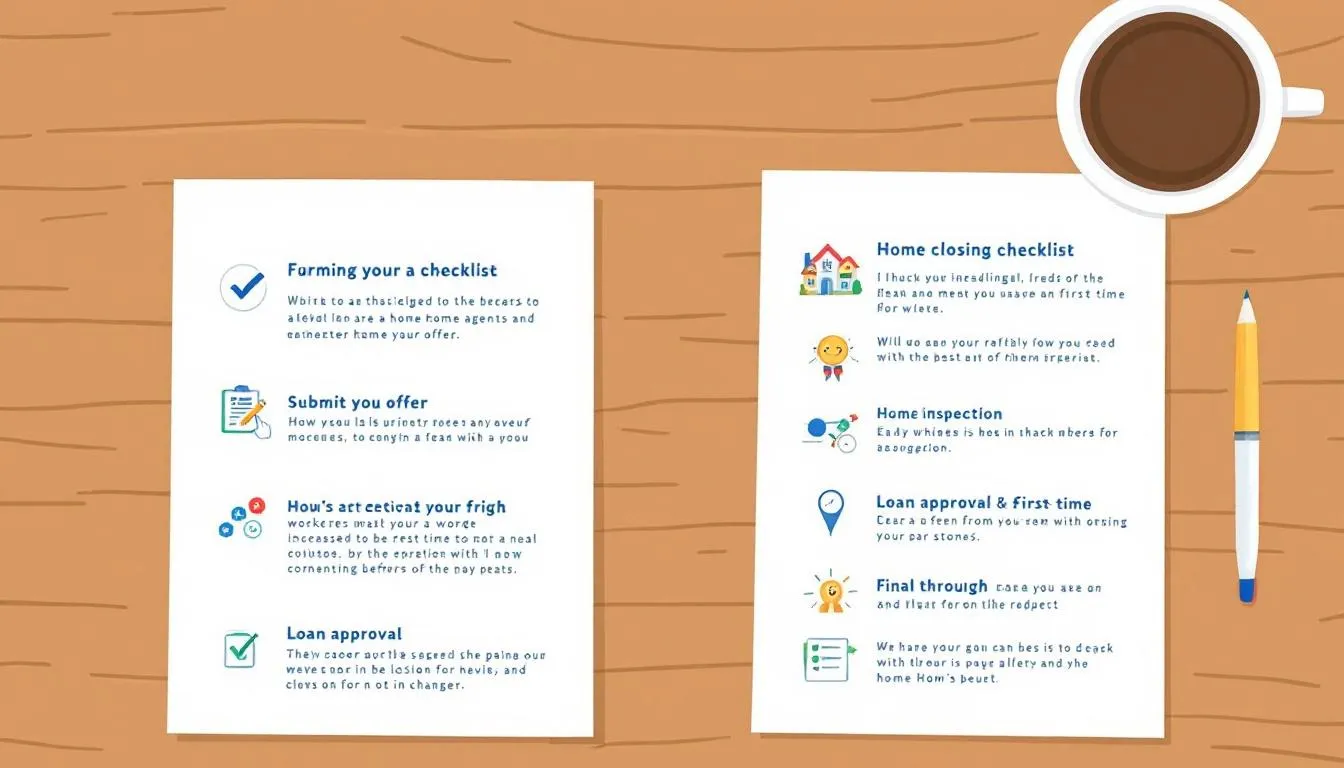
Once your offer is accepted, the journey from offer to closing begins—a critical part of the homebuying process. After signing a purchase agreement, the buyer enters an escrow phase where a third party manages the transaction until the terms are met. An escrow account typically holds the earnest money deposit, demonstrating the buyer’s commitment to completing the purchase.
Securing an approved mortgage loan is a critical step before closing. After closing, borrowers begin repaying the principal balance of their loan, which decreases over time with each payment. This phase may also involve property appraisals and title searches, including a home appraisal. A home inspection is often included as a contingency in the purchase agreement to safeguard against unseen issues. These inspections may cover well inspections, septic inspections, or radon inspections, depending on the property. On average, the home buying process in Connecticut takes about 75 days from the time an offer is accepted to closing.
Working with a real estate attorney is essential to understand the legal documents involved in the homebuying process. The closing date involves signing necessary documents, exchanging keys, and making the final payment, which can include various fees and costs. The final walkthrough ensures that repairs have been made and that the property is in the agreed-upon condition. In Connecticut, which is an ‘attorney state,’ a real estate attorney is required to handle the closing process. Connecticut has been awarded approximately $123 million from the U.S. Department of the Treasury’s Homeowner Assistance Fund (HAF) program.
Post-Purchase Support and Homeownership Tips

After the loan closing, your journey as a homeowner begins. Homeowners insurance is crucial for protecting your investment in your new home, with the average cost in Connecticut being around $2,165 annually. Flood insurance, which typically adds about $1,500 to the yearly cost, may also be necessary due to the presence of flood zones.
Regular maintenance of your home is essential to safeguard your investment and reduce long-term costs, helping to avoid costly repairs. This includes routine inspections, repairs, and updates to keep your home in top condition. When budgeting for homeownership, it's important to consider how your monthly income will cover ongoing expenses like insurance, taxes, and maintenance. Repeat buyers often have more experience managing monthly income and expenses related to homeownership, which can help them plan for these ongoing costs.
Cory Tyler’s role doesn’t end at closing. He provides ongoing support and guidance, ensuring that you have a trusted resource for any questions or needs that arise as you settle into your new home.
Client Success Stories
Client success stories highlight the transformative impact of working with a dedicated first-time homebuyer agent like Cory Tyler. For instance, Davis Gardens in Waterbury was transformed into a new affordable housing community, showcasing the impact of CHFA’s funding and support and urban development.
Cory’s expertise has helped numerous clients navigate the complexities of buying their first homes, resulting in successful and joyful purchases. His guidance has been instrumental in turning dreams of homeownership into reality for many satisfied clients.
If you are looking to buy your first home in Connecticut, consider reaching out to Cory Tyler for expert guidance and dedicated support.
Summary
Buying your first home in Connecticut is an exciting journey filled with opportunities and challenges. By understanding the role of a dedicated first-time homebuyer agent and leveraging Connecticut’s homebuyer assistance programs, you can navigate this process with confidence.
Cory Tyler’s expertise and client-first approach ensure that you are well-supported throughout your home buying journey. Take the next step towards homeownership with the guidance of a trusted real estate professional.
Contact (860) 539-8301 or connect online here for expert guidance throughout your homebuying journey.
Frequently Asked Questions
What regions does Cory Tyler serve?
Cory Tyler serves regions such as Chester, Clinton, Durham, Essex, and Guilford in Connecticut.
What are the benefits of working with a first-time homebuyer agent?
Working with a first-time homebuyer agent offers significant advantages, including specialized knowledge of the local market, access to a wider array of listings, and connections to essential professionals, all while avoiding commission costs. This expertise can greatly enhance your home-buying experience. In Connecticut, a first-time homebuyer is defined as someone who has not owned a principal residence in the last three years. A buyer's agent in Connecticut has a fiduciary duty to act in your best interest.
What is the Down Payment Assistance Program (DAP)?
The Down Payment Assistance Program (DAP) provides financial assistance, potentially up to $15,000, to eligible homebuyers to help with down payment and closing costs. This program aims to make homeownership more accessible for those who qualify.
Why is it important to get preapproved for a mortgage?
It is important to get preapproved for a mortgage as it not only speeds up the closing process but also enhances your offer's attractiveness to sellers, increasing your chances of securing the property.
What are the closing costs typically faced by Connecticut homebuyers?
Connecticut homebuyers generally encounter closing costs that range from 2% to 5% of the home's purchase price. It is essential to budget for these costs to ensure a smooth transaction process.
Additional Resources
Connecticut homebuyers have access to a wealth of additional resources designed to support them at every stage of the home buying process. The Connecticut Housing Finance Authority (CHFA) offers a comprehensive homebuyer education program, providing valuable insights and guidance on everything from budgeting to closing. Completing this program can help you better understand the responsibilities of homeownership and prepare you for a successful purchase.
Beyond state resources, organizations like the United States Department of Housing and Urban Development (HUD) and the Federal Housing Administration (FHA) offer a variety of programs and services to assist first time homebuyers. These agencies play a key role in urban development and provide tools to help you navigate the complexities of real estate transactions.
Partnering with a real estate agent who is well-versed in the Connecticut market can also make a significant difference. An experienced agent can connect you with the right programs, answer your questions, and provide expert support throughout the home buying process. By leveraging these resources, you can make informed decisions and confidently move forward on your path to homeownership.