Essential Guide to Septic Inspection Connecticut Homes for Buyers
By Cory Tyler ·
Are you buying or selling a home in Connecticut and wondering about septic inspections? This page is your comprehensive guide to the septic inspection process, legal requirements, negotiation strategies, and related home inspection topics such as well water testing and roof concerns. Designed for Connecticut home buyers and sellers, this resource explains why understanding septic inspections is crucial for protecting your investment and ensuring a smooth real estate transaction.
Key Takeaways
If you are buying or selling on the Connecticut Shoreline, understanding the septic inspection process for Connecticut homes is essential. This page covers what buyers and sellers need to know about the inspection process, legal requirements, and negotiation points that can arise. I’m Cory Tyler, a licensed real estate salesperson with Berkshire Hathaway HomeServices New England Properties in Madison, CT, and I help clients in Branford, Guilford, Madison, Clinton, Westbrook, Old Saybrook, and beyond plan the right inspections before they decide how to move forward.
Many Shoreline homes rely on a septic system and private well, so a septic inspection, water test, and roof evaluation should be built into your inspection contingency.
I am not a septic inspector, septic company, roofing contractor, or insurance company; my role is to coordinate reputable local pros, help interpret reports, and negotiate repair requests or credits.
Connecticut does not legally mandate routine septic inspections for existing homes or require them during property sales, but Connecticut real estate disclosure laws require sellers to legally disclose any known septic defects to prospective buyers.
Most real estate transactions involving a septic system in Connecticut utilize the Connecticut Association of Realtors Septic/Well Rider, which outlines inspection timelines, who is responsible for each step, and related responsibilities.
For help planning due diligence on a specific property, call (860) 539-8301 or message us online.

How Septic, Well, Water & Roof Issues Fit Into Buying a Connecticut Home
Septic, well, water, and roof concerns are often the biggest hidden cost drivers in a Connecticut purchase. In towns like Madison, Guilford, Clinton, and Westbrook, many single-family homes use onsite septic and wells, and coastal weather can add stress through high winds, heavy spring rain, Nor’easters, poor drainage, and high groundwater. Lenders, attorneys, and homeowners insurance carriers may ask for recent records, water results, roof age, or proof that the property is insurable before closing.
For first-time buyers and relocations from New York, Boston, Fairfield County, or out of state, I keep the process plain-English: confirm deadlines, coordinate access, review evidence, and involve your attorney where legal contract terms are affected.
Understanding Septic Systems in Connecticut Homes
A septic system is designed to dispose of wastewater generated by a home in a manner that prevents adverse effects on groundwater and public health. A typical house system includes a septic tank, distribution box, and leaching fields or leaching system that releases treated wastewater into the ground. Soil conditions matter, especially near Long Island Sound, wetlands, bedrock, or small lots.
Common Shoreline setups include traditional leach fields, galleries, pump-assisted systems, and older components that may be grandfathered but not necessarily built to today’s public health code. Connecticut ties septic sizing to the number of bedrooms with a minimum of 1,000 gallons for 1-3 bedrooms, plus 125 gallons for each additional bedroom. Homeowners should have their septic tanks pumped and visually inspected every 3 to 5 years according to the Connecticut Department of Public Health (DPH), though some households pump more often based on use. Buyers should ask how often the septic tank has been pumped, avoid grease and wipes, and watch for slow draining plumbing fixtures, sewage backups, foul odors in drainage areas, soggy lawn areas, or recently disturbed soil.
What a Connecticut Septic Inspection Should Include
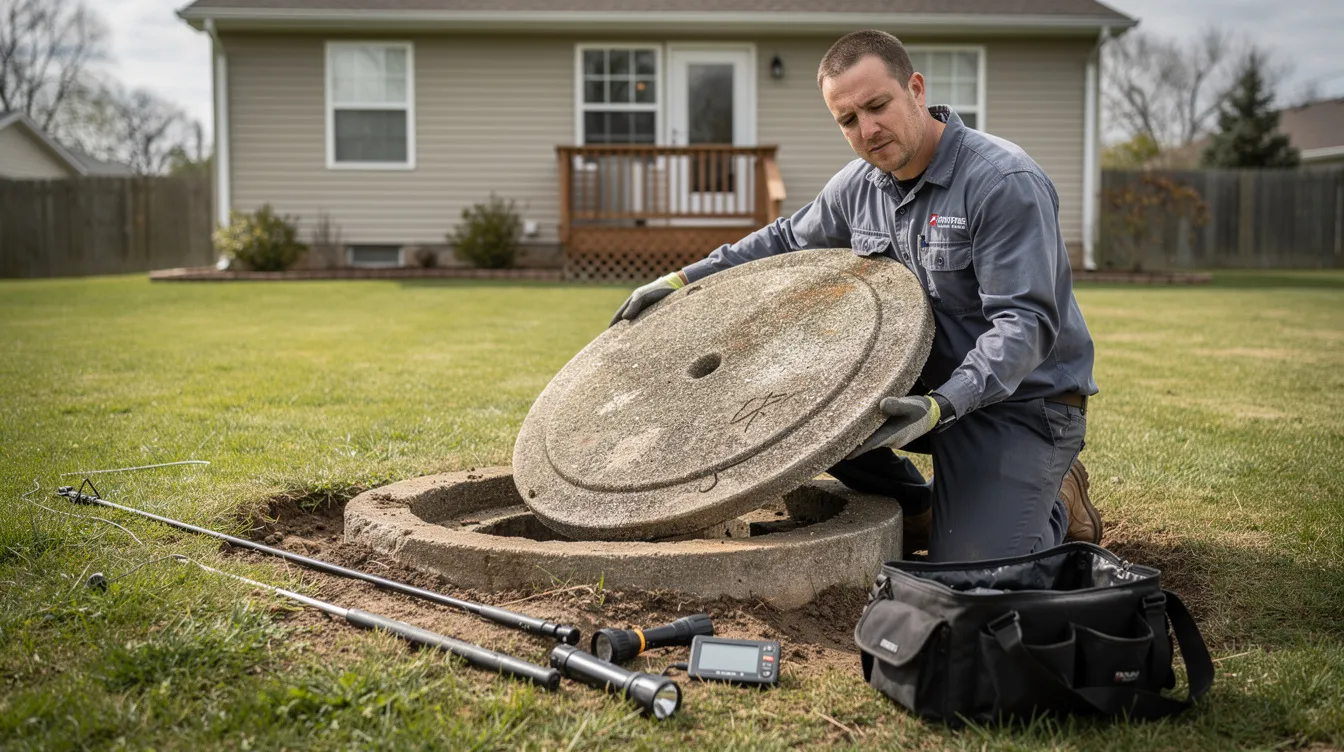
A septic inspection typically includes a visual examination of the septic tank, distribution box, and leaching fields to assess their condition and functionality. A good septic inspector will locate the system, pull the property’s original as built maps and permits from the local town health department to confirm the age, capacity, and layout of the system, open the tank, check liquid levels, inspect baffles, review distribution boxes, and evaluate the physical condition of the septic tank walls for structural cracks, root intrusion, or concrete decay.
Common tests performed during septic inspections include the Dye-Test, Probe-Test, and Flooding Test, each designed to identify potential issues with the septic system. The Flooding Test involves discharging a substantial quantity of water into the septic system to simulate peak usage and observe any signs of overflow, which indicates potential system failure. The inspector also checks the leaching field for indicators of improper wastewater absorption, such as high saturation or surface pooling. The State of Connecticut does not certify septic inspectors or mandate a single inspection method, but the Connecticut Environmental Health Association (CEHA) created a standardized framework called the Connecticut Recommended Minimum Existing Septic System Inspection Report.
Do You Need to Pump the Septic Tank Before Inspection?
In most cases, ask the inspector before you pump. Many professionals prefer the tank at working level because fluid levels can reveal leaks, backflow, or a leaching area that is struggling. If the tank is overdue for maintenance, pumping may still be appropriate, but doing it too early can hide useful evidence. I help buyers and sellers coordinate timing so the inspection, pump, reports, and contract deadlines stay aligned.
Septic System Red Flags, Costs, and Negotiating Repairs
Red flags include failed leaching fields, effluent surfacing, a cracked tank, missing baffles, undersized capacity for bedrooms, a leaching area that is completely saturated, or records that do not match the present property layout. A failing septic system can leach harmful bacteria and nitrates directly into nearby drinking water supplies, creating health risks for the homeowner and neighbors.
Local health departments heavily regulate septic systems through the Connecticut Public Health Code Section 19-13-B103, and owners are responsible for keeping their systems compliant to help protect public health. Under the Connecticut Public Health Code Section 19-13-B100a, local health departments must inspect property plans for home expansions or additions to ensure a designated reserve leach field area remains intact. Replacing a failed leaching field or cracked tank can cost between $10,000 and $40,000 depending on soil conditions. Unlike Massachusetts, a failed septic inspection in Connecticut does not trigger an enforcement action and remains a private negotiation point between buyer and seller. If you need strategy before you hire the right contractor, call (860) 539-8301 or message us online.
Private Wells and Water Testing in Connecticut
A private well should be tested through a state-certified lab, with properly collected samples and timely delivery. Typical panels include total coliform, E. coli, nitrate/nitrite, lead, pH, hardness, and basic chemistry; additionally, arsenic, uranium, radionuclides, PFAS, sodium, chloride, iron, manganese, sulfate, turbidity, color, or odor may be recommended by location. Elevated results can lead to filtration, softeners, UV, reverse osmosis, retesting, seller remediation, or credits. According to CT DPH private well guidance, private wells serve a significant share of Connecticut residents, so water quality is not a box-checking item.
Roof Concerns, Storm Damage, and Insurance Implications
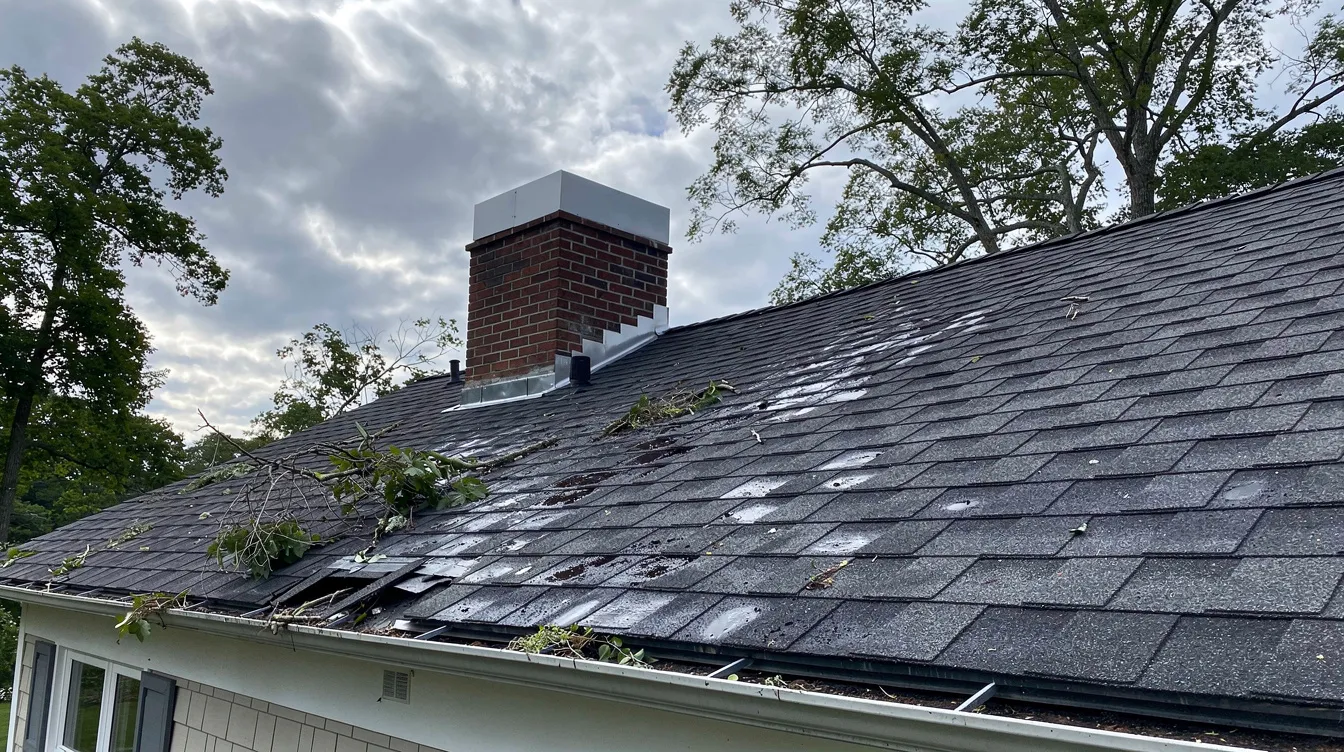
The roof is one of the first major items I ask buyers to inspect. A home inspector or roofing contractor will look for missing shingles, lifted tabs, flashing defects, chimney and skylight issues, attic stains, and signs a storm hit the home. Storm damage, accidental damage, high winds, or falling limbs can lead to a roof insurance claim or roof claim, but documented inspection findings matter when working with an insurer.
Roof age also affects homeowners insurance. The connecticut insurance department notes that insurers consider material, condition, and age when deciding coverage. Some policies use replacement cost, while others factor actual cash value; most policies also distinguish storm damage from pre existing wear. Multiple claims or many claims can complicate underwriting, and an insurance company may require temporary repairs, full roof replacement, or proof from a contractor before binding coverage.
Buying a Home After Storm Damage: Roof Claims and Replacement
If a seller filed a claim after a 2024 or 2025 storm, buyers should ask whether the claim was paid, what repair work was completed, whether permits were needed, and whether warranties transfer. A recent roof replacement can protect buyers from near-term cost, but only if the company, materials, and workmanship check out. If an active claim affects closing, I help structure dates, credits, and documentation. For a property with roof concerns, call (860) 539-8301 or use our online contact form.
How Cory Coordinates Septic, Well, Water, and Roof Inspections
Once an offer is accepted, I help buyers perform due diligence in the correct order: general inspection, septic inspector, well and water testing, roof evaluation if needed, then follow-up estimates. I maintain a vetted list of local services, labs, septic companies, well pros, and roofing contractors, while encouraging clients to choose whoever they trust. For out-of-state clients, I often attend, gather photos and videos, and set a call to review findings.
Special Considerations for Shoreline, Waterfront, and Older Homes
Older and waterfront homes in Madison, Guilford, Clinton, Westbrook, and Old Saybrook can have higher water tables, limited reserve areas, tight setbacks, and environmental constraints. Pre-1970s homes may have components that no longer meet current code, and additions can trigger health department review. Before waiving contingencies, buyers should determine whether a future expansion, bedroom change, or new leach field is feasible.
How Inspections Affect Pricing, Credits, and Your Overall Strategy
Strong inspection results can support price and reduce risk. Negative results may justify repair requests, credits, renegotiation, or walking away. My approach is calm and fact-based: review the report, get estimates, match the finding to your plan, and negotiate from evidence rather than fear. If you plan to purchase or sell in the next 6–12 months, call (860) 539-8301 or send Cory a message online.
Work With a Connecticut Shoreline Agent Who Understands the Details
With 40+ five-star reviews, clients describe me as patient, responsive, detail-oriented, and willing to go above and beyond. I regularly help first-time buyers, sellers of second homes, probate families, investors, and relocations, including clients moving from Texas, Fairfield County, New York, and Boston. Technical topics become manageable when you have a clear plan. Call (860) 539-8301 or contact me securely at ctshorelineproperties.com.
Frequently Asked Questions About Septic, Well, Water & Roof Concerns
Do I need a separate septic inspection if I already have a general home inspection?
Yes, if the property has septic. A general inspection is usually surface-level, while a dedicated septic inspection connecticut homes buyers rely on will open components, evaluate flow, and document likely repair needs.
How recent should well water test results be for a Connecticut home purchase?
Many attorneys and lenders prefer results within 30–90 days of closing. If seller results are older, buyers often retest during the inspection window.
Can I still get homeowners insurance if the roof is older but not leaking?
Sometimes. Each insurer sets rules, but older roofs may lead to higher premiums, exclusions, or a requirement to replace the roof after closing.
Who pays for septic, well, and roof inspections in a CT real estate transaction?
Usually the buyers pay because inspections help the buyers decide whether to proceed. Sellers may pay for pre-listing reports to reduce uncertainty.
What happens if major issues are found and the seller refuses to fix them?
Your contract controls your options, but buyers commonly request repairs, credits, a price change, or termination within the contingency period. For one-on-one guidance, call (860) 539-8301 or send a message online.