Connecticut Shoreline Housing Statistics
By Cory Tyler
The Connecticut shoreline represents one of the most desirable and competitive real estate markets in New England. Stretching along Long Island Sound from Branford through Old Saybrook, this collection of coastal towns offers a unique combination of beach access, historic village centers, and reasonable proximity to major employment hubs in New Haven, Hartford, and even New York City. The housing statistics and trends discussed here specifically refer to house and residential property markets along the Connecticut shoreline, highlighting the features and values that make this region stand out.
This page focuses specifically on the shoreline towns where I work most frequently: Branford, Guilford, Madison, Clinton, Westbrook, and Old Saybrook. These communities span both New Haven County and Middlesex County, each with its own character but all sharing the appeal of coastal living that continues to drive strong demand even as some national markets cool.
Overview of the Connecticut Shoreline Market in 2025
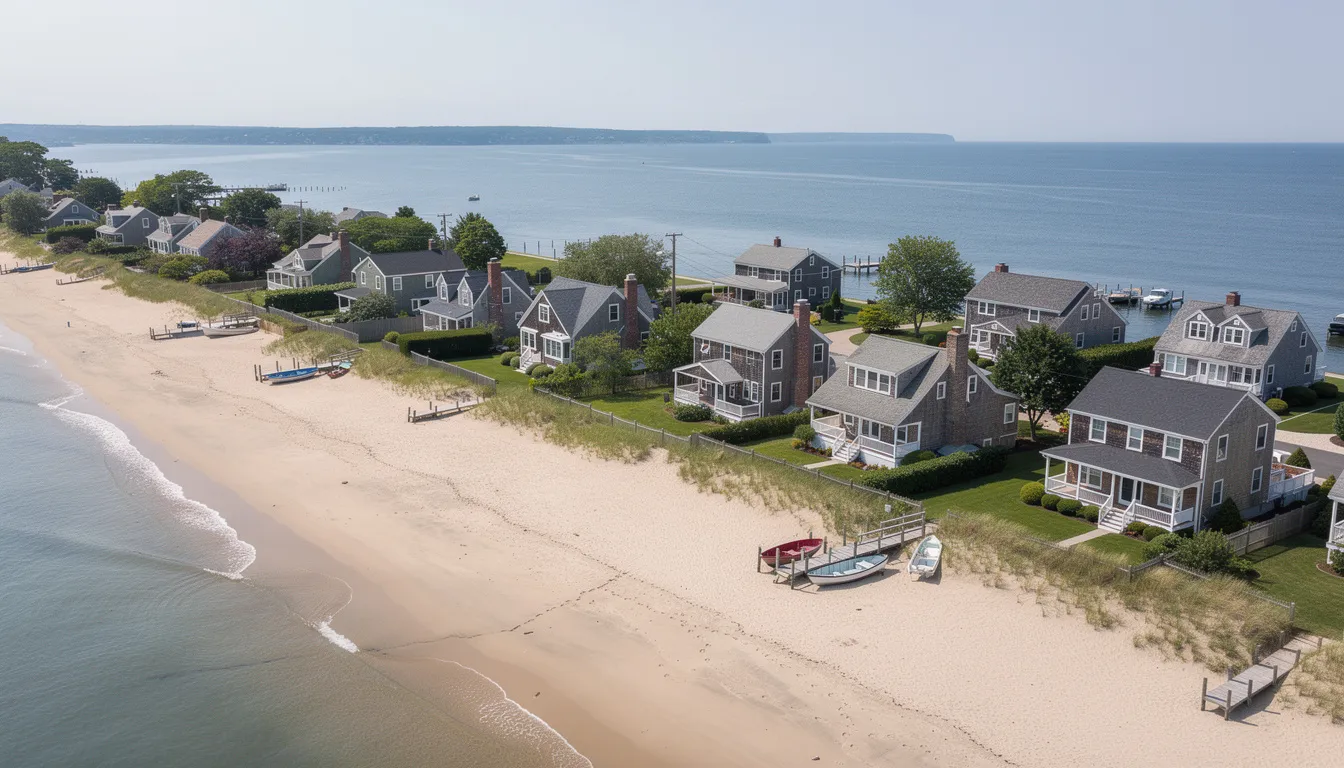
The Connecticut shoreline market remains remarkably resilient heading into 2026. While economic uncertainty has caused hesitation in some inland and national markets, well-priced single family homes under approximately $800,000 in these shoreline towns continue to attract multiple offers and sell quickly. The lifestyle appeal of living near the water, combined with limited inventory, creates conditions that favor sellers and challenge buyers who aren’t prepared to move decisively. The rise in demand and limited supply has contributed to upward pressure on prices across the region.
Looking at recent data, the Shoreline region shows an average sales price of $501,000 as of early 2026, representing year-over-year price growth of 12.4%. This outpaces the statewide Connecticut median of $446,400 (up 7.6% year-over-year), reflecting the premium that buyers are willing to pay for coastal access. Many shoreline towns have experienced double-digit percentage gains in median values since the pandemic began, and while the pace of appreciation has moderated slightly, housing values remain well above 2020 levels. As of late 2025, the year-to-date median sale price for homes on the Connecticut shoreline was $850,000, nearly identical to 2024 levels.
Town | 2024 YTD Median Sale Price | % Change vs. 2020 | Avg. Days on Market |
|---|---|---|---|
Branford | $465,000 | +38% | 28 |
Guilford | $575,000 | +45% | 22 |
Madison | $625,000 | +52% | 18 |
Clinton | $385,000 | +41% | 32 |
Westbrook | $420,000 | +48% | 25 |
Old Saybrook | $545,000 | +44% | 24 |
Note: Figures represent estimates based on regional trends and may vary by property type and location within each town. |
Median home prices along the Connecticut shoreline are rising, with upscale areas like Greenwich, Old Saybrook, and Madison showing significant gains.
As a licensed real estate salesperson with Berkshire Hathaway HomeServices New England Properties based in Madison, I track these statistics closely and help buyers and sellers understand what the numbers mean for their specific situations. The data tells a clear story: the shoreline market remains competitive, prices have risen substantially over the past decade, and strategic planning matters more than ever. Home values in areas along the Connecticut shoreline, including Old Saybrook and Madison, jumped over 90% since the pandemic. It can be challenging to establish market values and price benchmarks due to the limited and quick turnover of properties, making it even more important to have up-to-date local expertise.
Ready for a personalized market snapshot of any shoreline town? Call me at (860) 539-8301 or message me online to discuss your goals.
The Lifestyle and Demand Drivers Behind Shoreline Prices
Statistics don’t exist in a vacuum. The price growth along the Connecticut shoreline is directly tied to lifestyle factors that make these towns genuinely desirable places to live. Private and association beach rights, walkable village centers, active marinas, and easy access to both New Haven and Hartford create a quality of life that many buyers are willing to pay a premium to secure.
Strong Demand Concentrates Around Specific Features
Homes within walking distance of Long Island Sound
Properties near train stations offering commuter access
Locations close to historic greens (Guilford Green, Madison village center)
Beach association memberships or direct waterfront access
Move-in-ready condition with minimal required updates
Commuter Appeal and Relocation Trends
Many buyers I work with are relocating from New York City, Boston, or Fairfield County. They’re seeking more space, lower density, and a slower-paced coastal lifestyle without completely disconnecting from metropolitan amenities. The shoreline delivers this balance: you can walk to the beach in the morning and take Metro-North into the city when needed. This proximity to major employment centers, combined with the charm of New England coastal living, sustains demand even when broader economic conditions create hesitation elsewhere. Buyers can also get a sense of the local housing market by observing trends in inventory, pricing, and demand, which helps inform their investment decisions and assess the strengths of different shoreline towns.
Second homes and “test drive the shoreline” buyers add additional pressure to inventory. Many families from Fairfield County or the New York area purchase weekend or seasonal properties in Madison, Clinton, Westbrook, and Old Saybrook before deciding whether to make a full-time move. This buyer segment often has strong financial resources and can move quickly when the right property appears.
The data confirms that lifestyle-driven demand has helped shoreline towns outperform some inland markets. While certain Connecticut towns experienced flat or modest appreciation, the shoreline has maintained consistent upward pressure on median prices. This resilience reflects genuine preference rather than speculation—people want to live here, and that fundamental demand supports long-term housing values.
If you’re a lifestyle-focused buyer exploring the shoreline, let’s talk about which towns best fit your daily routine, commute, and budget. Call me at (860) 539-8301 to start the conversation.
Inventory, Turnover, and Competition Along the Shoreline
Low inventory is the single most important statistic shaping the Connecticut shoreline market. Limited inventory on the Connecticut shoreline is driving up prices and creating challenges for first-time buyers. Connecticut as a whole is experiencing what analysts describe as a “historic drought” in listings—the 12-month rolling total of new listings has collapsed from approximately 94,000 homes in 2007 to roughly 40,000-43,000 today, representing a decline of about 45% below 2017 levels.
The shoreline faces even tighter conditions due to long-term ownership patterns. Many waterfront and near-water homes in Branford, Guilford, Madison, Clinton, Westbrook, and Old Saybrook have been held by families for generations. These properties simply don’t come to market with the frequency that would be needed to satisfy buyer demand. Properties along the Connecticut shoreline often sell almost immediately due to a tight market created by these long-term ownership patterns. When they do appear, competition can be intense.
Current Market Conditions on the Shoreline Include
Months of supply: Typically 1.5-2.5 months versus the 6-month benchmark for a balanced market
Sale-to-list ratio: Approximately 100.8%, meaning homes sold at or slightly above asking prices
Above-list sales: Nearly 48% of Connecticut homes sold above list price in early 2026
It can be difficult to establish comparable sales and price benchmarks in this environment, as the limited and quick turnover of properties means fewer recent transactions to analyze.
Competition is most intense for well-priced shoreline properties under approximately $800,000, especially those in turnkey condition. Families relocating from higher-cost markets often target this range, and the combination of lifestyle appeal and relative affordability compared to Fairfield County creates significant buyer interest.

Truly waterfront or beach-association homes above $1M also see strong demand, but with a smaller buyer pool and more individualized pricing. These properties may take longer to sell if priced aggressively, but well-positioned listings still attract serious interest from investors and second-home buyers.
Buyer Flexibility and Search Strategies
Many buyers expand their search radius when facing limited inventory. A family initially focused on Guilford might discover excellent value in Clinton or Old Saybrook. This flexibility often leads to successful outcomes when rigid geographic requirements would otherwise result in frustration.
I monitor new listings daily and use early alerts, private showings, and local relationships to help my clients access properties quickly. In a market where homes sold can happen within days of listing, preparation and responsiveness make a real difference.
Want custom listing alerts tailored to your specific criteria? Call me at (860) 539-8301 or send a message through my contact form to set up your search.
Town-by-Town Snapshot: Key Shoreline Markets
Each shoreline town has its own character, price range, and market dynamics. This section provides a statistical snapshot of my core service area: Branford, Guilford, Madison, Clinton, Westbrook, and Old Saybrook. Understanding the differences between these Connecticut towns helps buyers and sellers make informed decisions.
Town | Population | 2024 YTD Median Sale Price | Median Days on Market | Price Trend Since 2020 |
|---|---|---|---|---|
Branford | ~28,000 | $465,000 | 28 | Strong appreciation |
Guilford | ~22,000 | $575,000 | 22 | Above-average gains |
Madison | ~18,000 | $625,000 | 18 | Highest appreciation |
Clinton | ~13,000 | $385,000 | 32 | Steady growth |
Westbrook | ~6,500 | $420,000 | 25 | Significant increases |
Old Saybrook | ~10,000 | $545,000 | 24 | Strong demand |
Branford
Branford offers a mix of condos and single family homes that appeals to diverse buyers. Demand concentrates near Branford Point and Pine Orchard, where beach access and water views command premiums. Compared with some neighboring towns, Branford provides relatively accessible price points while still delivering genuine shoreline lifestyle. The town’s restaurants, harbor, and community events create year-round appeal.
Guilford
Guilford has experienced strong appreciation since the pandemic, driven by high demand near the Guilford Green and shoreline neighborhoods. Limited inventory of historic and beach-area homes creates competition, and homes in top locations often receive multiple offers within days. The town’s excellent schools, vibrant green with local shops, and preserved colonial character attract families seeking both lifestyle and investment value.
Madison
Madison represents one of the most competitive shoreline markets. Hammonasset State Park, town beaches, and a charming downtown drive buyer interest from both new residents relocating and existing Connecticut families seeking coastal access. Median prices in Madison exceed those of neighboring towns, reflecting the combination of natural amenities, school quality, and walkable village center that many buyers prioritize.
Clinton
Clinton has evolved from a quieter alternative to a recognized value opportunity among shoreline markets. Marinas, beaches, and ongoing price growth draw both primary and second-home buyers. While median prices remain below Guilford and Madison, the gap has narrowed as more people discover Clinton’s appeal. Families priced out of more expensive towns often find excellent options here.
Westbrook
Westbrook features pocket neighborhoods with private beach associations that create strong community connections. Even modest cottages have seen notable price increases as buyers seek affordable beachfront lifestyles. The town attracts a mix of year-round residents and seasonal owners, and properties with beach association access command significant premiums over those without.
Old Saybrook
Old Saybrook sits at the mouth of the Connecticut River, combining historic character with coastal access. The town draws a strong second-home and relocation buyer base, particularly from New York and Fairfield County. Median prices reflect this desirability, and limited inventory ensures that well-positioned properties attract serious interest. The downtown offers restaurants, shops, and cultural amenities that support year-round living.
Statistics shift month to month based on what’s listed and sold. I provide updated, town-specific reports on request so you always have current data guiding your decisions.
Request a free, customized market report for any of these towns. Call (860) 539-8301 or contact me online.
Price Segments, Property Types, and Buyer Behavior
Connecticut shoreline housing statistics differ significantly by price point and property type, with a notable rise in prices across many segments. Understanding these segments helps buyers position competitive offers and sellers set appropriate expectations.
The demand for larger homes in Connecticut is driven by buyers seeking extra space for home offices and family gatherings. The increase in home values is partly influenced by the trend of remote work, which allows buyers to seek larger homes. Connecticut's housing market is also characterized by a tight inventory, particularly for larger homes, due to long-term ownership patterns.
Under $500,000
This segment sees intense competition for condos, small single family houses, and properties farther from the water. First-time buyers and downsizers often compete for the same inventory, and multiple offers are common. Days on market in this range frequently fall below 20, and buyers should expect to move quickly with strong financing pre-approval or cash-backed terms.
$500,000–$800,000
This price range represents the “sweet spot” for many buyers relocating families and move-up buyers. Properties in this segment typically offer:
Three or more bedrooms
Good school districts
Reasonable proximity to beaches and village centers
Space for growing families
Competition remains strong, though slightly less frantic than the under-$500,000 segment. Buyers with flexibility on location or willingness to handle cosmetic updates often find better value.
$800,000–$1.5M+
Near-water and waterfront homes in this range attract more selective buyers. Days on market can extend for homes needing updates, while turnkey, truly coastal properties command premium pricing and move quickly. Buyers in this segment often have specific requirements—direct water views, private beach access, deep-water docks—that narrow their options significantly.
Condos vs. Single Family Homes
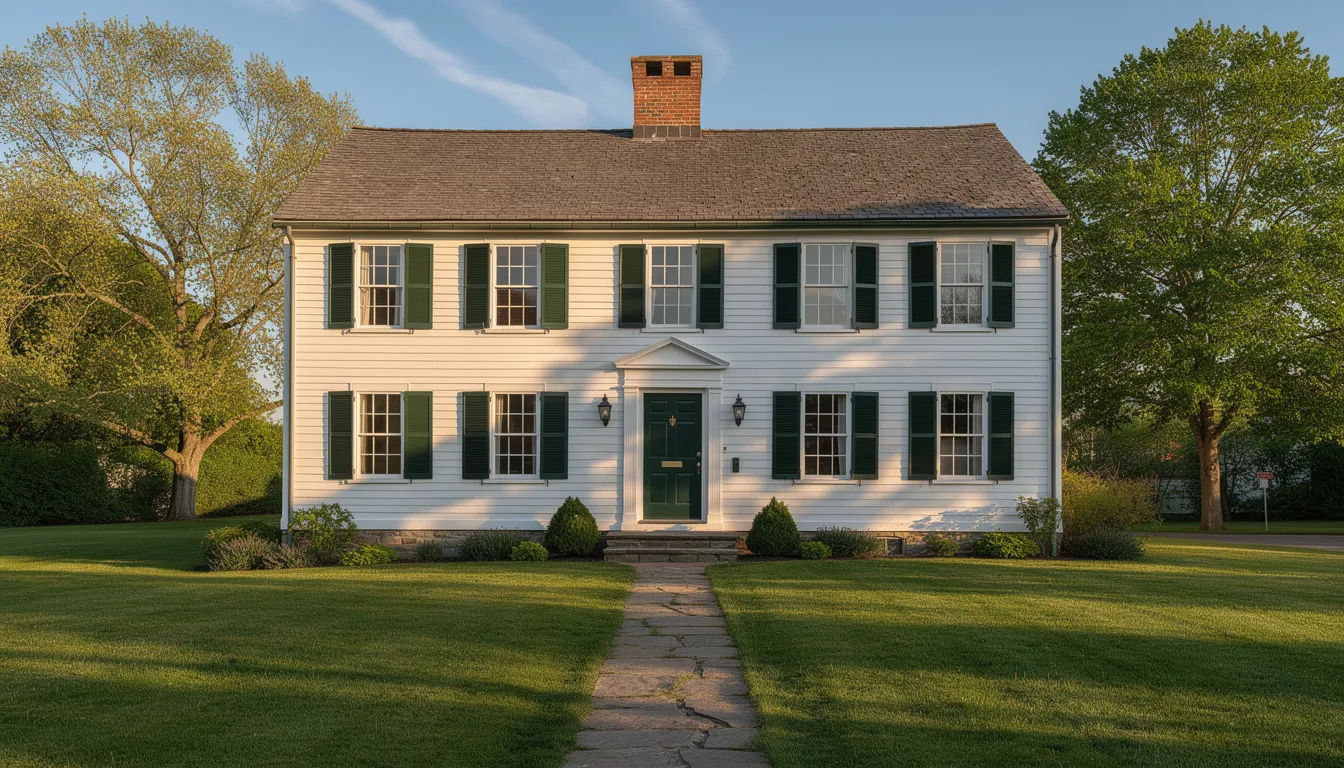
Condos offer low-maintenance living and association amenities that appeal to downsizers, seasonal residents, and investors. Pricing dynamics differ from single family properties, with association fees and rental policies affecting both demand and value. Single family homes in comparable locations typically command higher prices but also involve more maintenance responsibility.
Successful Buyers in Today’s Market Often Demonstrate
Flexible search areas (willing to consider multiple towns)
Realistic expectations about competition
Strong financing or cash-backed offers
Willingness to compromise on cosmetic details
Quick decision-making when opportunities arise
I regularly advise first-time buyers, downsizers, and investors on how to tailor offers to current shoreline conditions, including typical winning offer percentages above list in specific segments and neighborhoods.
Housing Affordability Along the Shoreline
Over the past decade, housing affordability has become a growing concern along the Connecticut shoreline. The combination of strong demand for coastal living, limited inventory, and steady price growth has pushed median values in many shoreline towns well beyond what many local residents can comfortably afford. This trend is especially pronounced in Fairfield County, where single family houses near Long Island Sound command some of the highest prices in the state.
Despite periods of economic uncertainty, the desire for proximity to the water, access to vibrant communities, and the unique lifestyle offered by towns like Madison, Guilford, and Old Saybrook continues to attract buyers from both within Connecticut and out of state. As a result, housing costs have risen faster than incomes, creating a gap that challenges first-time buyers and long-time residents alike. In New Haven County and other popular shoreline areas, the median values for homes sold now reflect not just the cost of the property, but also the premium placed on location and lifestyle.
Recent data shows that many Connecticut towns along the shoreline are experiencing a squeeze on affordability, with buyers often competing for a limited number of listings and driving prices even higher. This dynamic is particularly evident in markets where the supply of single family homes is tight and the appeal of coastal living remains strong. For those considering a move to the shoreline, it’s important to plan carefully, understand the true cost of living in these desirable areas, and be prepared for a competitive market environment.
Rental Market Trends and Opportunities
The Connecticut shoreline’s rental market has evolved rapidly in response to limited inventory and rising home prices. As more people find themselves priced out of buying or waiting for the right property to come on the market, demand for rentals has surged—pushing median prices higher and creating new opportunities for both renters and investors.
Eastern Connecticut Rental Trends
Eastern Connecticut, including Middlesex County and towns like East Lyme and South Windham, has seen a notable uptick in rental interest. Compared to the higher costs of Fairfield County, these areas offer more affordable options while still providing access to the shoreline lifestyle. Litchfield County, though more rural and known for its scenic countryside, attracts seasonal renters looking for a getaway, which can create attractive yields for property owners during peak months.
Investor Opportunities
Investors are increasingly drawn to shoreline properties, recognizing the potential for steady rental income in a market where sales inventory remains limited. Towns with strong year-round communities and tourist appeal, such as those along the Connecticut shoreline, offer a mix of long-term and short-term rental opportunities. However, navigating this market requires a clear understanding of local regulations, seasonal demand fluctuations, and the balance between supply and demand.
Navigating the Rental Market
Whether you’re considering renting while you search for a home, or looking to invest in a property to capitalize on the strong rental market, it’s important to stay informed about current trends, median prices, and the unique dynamics of each county and town along the shoreline.
Estimated Residential Tax Burden for Shoreline Homeowners
Property taxes are a significant factor in the overall cost of owning a home along the Connecticut shoreline, and the estimated residential tax burden can vary widely depending on location. In Fairfield County, where home values are among the highest in the state, homeowners in towns like Darien and Greenwich can expect to pay substantial property taxes—often much higher than in other Connecticut counties. This is due to both elevated home values and higher mill rates, which combine to create a notable tax burden for residents.
New Haven County also features towns with high median home values, and the tax implications there can be significant, especially in communities with strong demand and limited inventory. According to data from the Zillow Home Value Index, the average residential tax burden in shoreline towns ranges from moderate to very high, reflecting both the desirability of these locations and the premium placed on coastal living.
For buyers and current homeowners, understanding the local tax landscape is essential when evaluating affordability and long-term investment value. Taxes can impact not only your monthly housing costs but also the overall return on investment if you plan to sell in the future. Whether you’re comparing towns in New Haven County, Fairfield County, or elsewhere along the Connecticut shoreline, factoring in property taxes alongside home values and other expenses will help you make a more informed decision about where to live and invest.
Risks, Resilience, and Long-Term Outlook for the Shoreline
While Connecticut shoreline housing statistics show strength, buyers and sellers should understand both opportunities and potential vulnerabilities. The recent rise in housing prices and rental costs has contributed to upward trends, but also brings associated risks. Connecticut's housing market shows signs of overvaluation in several towns, indicating potential risks for buyers and investors. Certain towns have experienced significant price surges, with some homes valued 50% or more above sustainable levels, suggesting a risk of correction. Many towns in Connecticut are showing signs of potential market corrections due to unsustainable price increases driven by demand outpacing local economic fundamentals. Context matters when evaluating market risk and planning long-term investment strategies.
Supply Constraints Support Stability
Limited new construction, strict coastal zoning, and environmental regulations near Long Island Sound restrict supply and support long-term price stability. Unlike markets where developers can quickly add inventory when demand rises, the shoreline faces structural constraints that limit how quickly supply can respond. This creates a floor under prices that inland markets may not enjoy.
Potential Vulnerabilities
Several factors could affect future shoreline market performance:
Interest rates: Higher rates increase housing costs and reduce buying power, potentially moderating demand
Economic slowdowns: Recessions can reduce relocations and second-home purchases
Climate considerations: Flood zones, insurance costs, and coastal erosion concerns affect specific properties
Tax burden: Connecticut’s property taxes remain among the highest in the country
Risk Assessment
While certain Connecticut markets show elevated correction risk metrics, shoreline towns with strong year-round demand and generational ownership patterns may experience more moderate adjustments rather than severe downturns. The fundamental appeal of coastal living—combined with limited supply—provides insulation that speculative markets lack.
Buyers should focus on:
Holding period: Longer ownership horizons reduce timing risk
Property condition: Move-in-ready homes maintain value better
Micro-location: Elevation, flood mapping, and distance to amenities matter
Realistic expectations: Don’t assume pandemic-era appreciation rates will continue indefinitely
Sellers should price based on current comparable data, not peak pandemic bidding-war expectations. Accurate comparative market analysis remains essential even in a seller-leaning market.
I use current data, local experience, and client feedback to guide smart, long-term decisions rather than speculative moves. My goal is helping you make choices you’ll remain confident about years from now.
Ready to discuss your specific situation? Schedule a one-on-one shoreline housing consultation by calling (860) 539-8301 or sending a secure message through my Berkshire Hathaway HomeServices profile.
How Cory Tyler Helps You Use These Statistics
Statistics are only useful when translated into clear guidance for an individual buyer, seller, or investor. Numbers on a page don’t tell you whether to make an offer, how to price your home, or which town fits your family’s needs. That’s where working with an experienced local agent makes the difference.
My approach is client-first: careful listening, detailed explanations of data, and honest conversations about timing, pricing, and strategy. I don’t push clients toward decisions that benefit my commission over their interests. With 40+ five-star reviews on Homes.com and Google, my clients consistently highlight communication, responsiveness, patience, and market knowledge as defining features of working with me.
Recent Client Situations
My experience spans the range of shoreline transactions:
Selling a client’s second home in Madison
Guiding a family through the sale of a probate property
Helping an investor expand their multifamily portfolio
Relocating a client from Texas to Connecticut
Assisting a couple moving from Fairfield County to Westbrook
Each situation required different strategies informed by current market statistics. A probate sale involves different timing considerations than a strategic second-home listing. An investor evaluating multifamily properties needs different analysis than a family seeking their first shoreline home.
What I Provide
For every client, I prepare:
Custom market reports for specific neighborhoods and price ranges
Pricing analysis based on actual comparable sales
Offer strategies tailored to current competition levels
Ongoing communication throughout the transaction
Honest assessment of opportunities and risks
Whether you’re comparing Guilford to Clinton, evaluating a fixer-upper versus move-in-ready, or trying to understand what your current home might sell for, I provide the context that turns statistics into actionable decisions.
Even if you’re “just curious” about your home’s value or the cost of moving to the shoreline, I’m happy to help. Call me at (860) 539-8301 or reach out online. Let’s talk about what the Connecticut shoreline housing statistics mean for you.