Shoreline CT Homeownership Expenses: The Real Cost of Owning a Home on the Connecticut Shoreline
By Cory Tyler ·
If you're considering buying a home on the Connecticut shoreline, understanding the full range of shoreline CT homeownership expenses is essential. This guide breaks down the real costs of owning a home on the Connecticut shoreline, including property taxes, insurance, utilities, maintenance, and special coastal expenses. It's designed for buyers relocating from NYC, Boston, or other regions, as well as current Connecticut residents considering a move to the shoreline. Understanding these expenses up front can help you avoid surprises and budget confidently for your new home.
Key Takeaways
Total shoreline CT homeownership expenses can add 25–40% on top of your monthly mortgage payment when you factor in property taxes, homeowners insurance, flood insurance, utilities, and coastal maintenance.
Costs vary significantly by town—mill rates in 2025 range from approximately 27.5 in Guilford to 32.1 in Old Saybrook—and proximity to Long Island Sound drives insurance premiums and wear-and-tear expenses higher.
The three biggest surprise expenses for buyers relocating from NYC, Boston, or Fairfield County are flood insurance requirements in FEMA flood zones, coastal storm risk premiums, and accelerated maintenance for older beach cottages (often 2–3% of home value annually).
Connecticut homeowners face total housing costs averaging $526 more per month than the national average, driven by the state’s high property taxes and coastal-specific risks.
Before writing an offer, work with a local agent who can help you build a realistic annual budget using real transaction data from Branford, Guilford, Madison, Clinton, Westbrook, and Old Saybrook.
Ready to see exactly what a specific property will cost you each month? Call Cory at (860) 539-8301 or message us online for a customized cost-of-ownership breakdown.
Introduction
This comprehensive guide to shoreline CT homeownership expenses is your resource for understanding the true costs of buying and owning a home along the Connecticut shoreline. Whether you’re a first-time buyer, relocating from NYC, Boston, or another region, or a current Connecticut resident considering a move to the coast, this page will help you anticipate and budget for every major expense. We’ll cover property taxes, insurance (including flood and homeowners), utilities, maintenance, and special coastal costs like association dues and flood zone requirements. Knowing these details up front will help you avoid surprises and make confident, informed decisions about your shoreline home purchase.
Understanding the Full Cost of Shoreline CT Homeownership
Homeownership costs in Connecticut extend beyond the purchase price, including ongoing expenses such as property taxes, assessments, insurance, and maintenance. Many buyers focus on the purchase price and monthly mortgage payment when house hunting, but those numbers tell only part of the story on the Connecticut shoreline. Your monthly payments include not just the mortgage principal and interest, but also property taxes (which run 1.9–2.2% effective rate along the shoreline), homeowners insurance, flood coverage where required, utilities, maintenance expenses, commuting costs, and association fees. Many shoreline properties fall into FEMA flood zones, requiring expensive additional flood insurance as part of your regular monthly costs.
For a $650,000 home in Madison or Guilford—assessed at 70% ($455,000)—your monthly cost beyond the mortgage can reach $2,500–$3,500 depending on flood zone status, age of construction, and beach association dues. Coastal homes often carry 15–25% higher annual expenses than inland properties in the same town due to FEMA flood zones, older construction (pre-1980 cottages make up 40% of shoreline inventory), and required dues.
Cory routinely walks first-time and relocating home buyers through sample annual budgets before they commit. This prevents the “house poor” scenario where too much household income goes toward housing costs in Connecticut.
Want to see sample numbers before you start touring? Schedule a no-pressure planning call with Cory at (860) 539-8301 to review estimated costs for homes you’re considering.

Property Taxes on the Connecticut Shoreline
Connecticut has some of the highest property tax rates in the United States, with local assessors calculating taxes based on the market value of homes multiplied by a standard assessment ratio, typically around 70 percent. Local municipalities set their own mill rates, which can vary significantly by town. Connecticut property taxes calculate as 70% of assessed value multiplied by the town’s mill rate (where 1 mill equals $1 per $1,000 of assessed value). Shoreline mill rates vary depending on each town’s budget, school funding needs, and municipal services.
Here’s how 2025 mill rates compare across the shoreline towns Cory serves:
Town | Mill Rate | Annual Tax on $500k Assessed (70% = $350k) |
|---|---|---|
Guilford | 27.50 | $9,625 |
Branford | 28.12 | $9,842 |
Madison | 29.24 | $10,234 |
Westbrook | 30.75 | $10,763 |
Clinton | 31.41 | $10,994 |
Old Saybrook | 32.10 | $11,235 |
Waterfront properties and direct waterfront homes sometimes see higher assessments due to location, views, and beach access rights—even when the home itself is modest or older. A Guilford Sound-front cottage might be assessed $50,000 higher than a comparable inland home simply for its water proximity.
Most lenders require buyers to escrow taxes, rolling them into mortgage payments. This can surprise buyers relocating from NYC (where the effective tax rate is around 0.88%) or Boston (approximately 1.1%). On a $650,000 shoreline home, expect $1,000–$1,200 per month in escrow for taxes alone.
Cory helps clients estimate taxes accurately before making an offer and reviews recent town reassessment histories for coastal neighborhoods. In 2025, Old Saybrook coastal property values rose 10–15% after reassessments following recent storms.
Insurance Costs: Homeowners, Flood, and Coastal Risk
Standard homeowners insurance is only part of the picture near Long Island Sound. Many shoreline buyers also need flood insurance and possibly separate wind or hurricane endorsements.
Average homeowners insurance in Connecticut is around $2,000–$2,690 per year, but it can be higher in coastal regions. Flood insurance is required for many shoreline homes, with base coverage for beachfront properties ranging from $2,000 to $4,000 per year. Many Shoreline properties fall into FEMA flood zones, requiring expensive additional flood insurance.
Understanding FEMA Flood Zones
FEMA designates properties into flood zones that determine insurance requirements:
Zone AE: High-risk area with base flood elevation determined; flood insurance typically required by lenders
Zone VE: Coastal high-velocity wave hazard zone; highest premiums, strictest requirements
Zone X: Minimal risk; flood insurance optional but sometimes advisable
An elevation certificate—costing $500–$1,000—can dramatically change annual insurance premiums if your home sits above the base flood elevation. Compliant properties can see premiums drop 50–70%.
Realistic Premium Ranges
Property Type | Location/Zone | Annual Insurance Cost |
|---|---|---|
Colonial, Zone X | Madison | $1,400 total |
Beach cottage, Zone AE | Westbrook | $5,200 ($3,200 flood + $2,000 HO) |
Older cottage, pre-2000 roof | Clinton | +20% premium, $1k deductibles |
Insurance premiums for shoreline homes average $2,200–$2,800 statewide (versus $1,905 state average) due to wind/hail endorsements. Flood coverage through NFIP caps at $250,000 for structure and $100,000 for contents—private flood policies offer 2x coverage at sometimes 30% less cost.
Some older beach cottages in Clinton, Westbrook, or Old Saybrook require policy upgrades or higher bills due to age, roof condition, or proximity to the water.
Cory frequently has buyers obtain insurance and flood quotes during the inspection period. He connects clients with local shoreline-experienced insurance agents before they finalize their decision.
Want help stress-testing a specific home’s insurance and flood cost impact? Call Cory at (860) 539-8301 or message us online.

Utilities and Day-to-Day Living Costs on the Shoreline
Heating, cooling, and general utilities can run significantly higher in older Connecticut shoreline homes, particularly those with oil heat, original windows, or dated insulation. The median build year for shoreline homes is 1965, which means many properties predate modern energy efficiency standards.
Average monthly electric bills in Connecticut are roughly $184 to $307, reflecting rates approximately 51% higher than the national average.
Heating Fuel Comparison
Fuel Type | Typical Annual Cost (2,200 sq ft) | Prevalence |
|---|---|---|
Oil | $3,600 (800 gal × $4.50/gal) | 60% of Branford/Guilford homes |
Propane | $3,200 similar usage | Common in rural areas |
Natural Gas | $2,400 | Madison 30% coverage |
Poor insulation adds 20–30% to heating bills—roughly $1,000 per year. Converting from oil to natural gas saves approximately $1,200 annually, though retrofits cost around $10,000. Heat pumps are trending with $5,000 rebates available.
Water, Sewer, and Other Utilities
Public water/sewer (Madison): $50–80/month
Well/septic (Westbrook rural): $20–40/month plus $500/year maintenance; septic upgrades can run $5,000–$20,000
Electric (Eversource): $150–250/month, higher with AC and dehumidifiers in coastal homes
Internet (Optimum): $70–100/month
Trash: $25/month
Extra shoreline expenses include sump pumps ($200/year in low-lying areas) and snow removal ($1,500/winter).
Cory often helps buyers factor in commute costs—Shore Line East runs $7/trip to New Haven or New London, roughly $300/month for regular commuters—and seasonal expenses when building a realistic monthly budget.
Maintenance, Repairs, and Coastal Wear-and-Tear
Definition: Maintenance expenses refer to the ongoing costs required to keep your home in good condition, including repairs, replacements, and preventive care for major systems and exterior elements. Homeowners in Connecticut should budget 1 to 3 percent of their home's value annually for maintenance, which can amount to $4,000 to $12,000 per year for a $400,000 home. For a $650,000 property, that’s $6,500–$19,500 annually. Coastal properties often hit 2.5–3% ($16,000+).
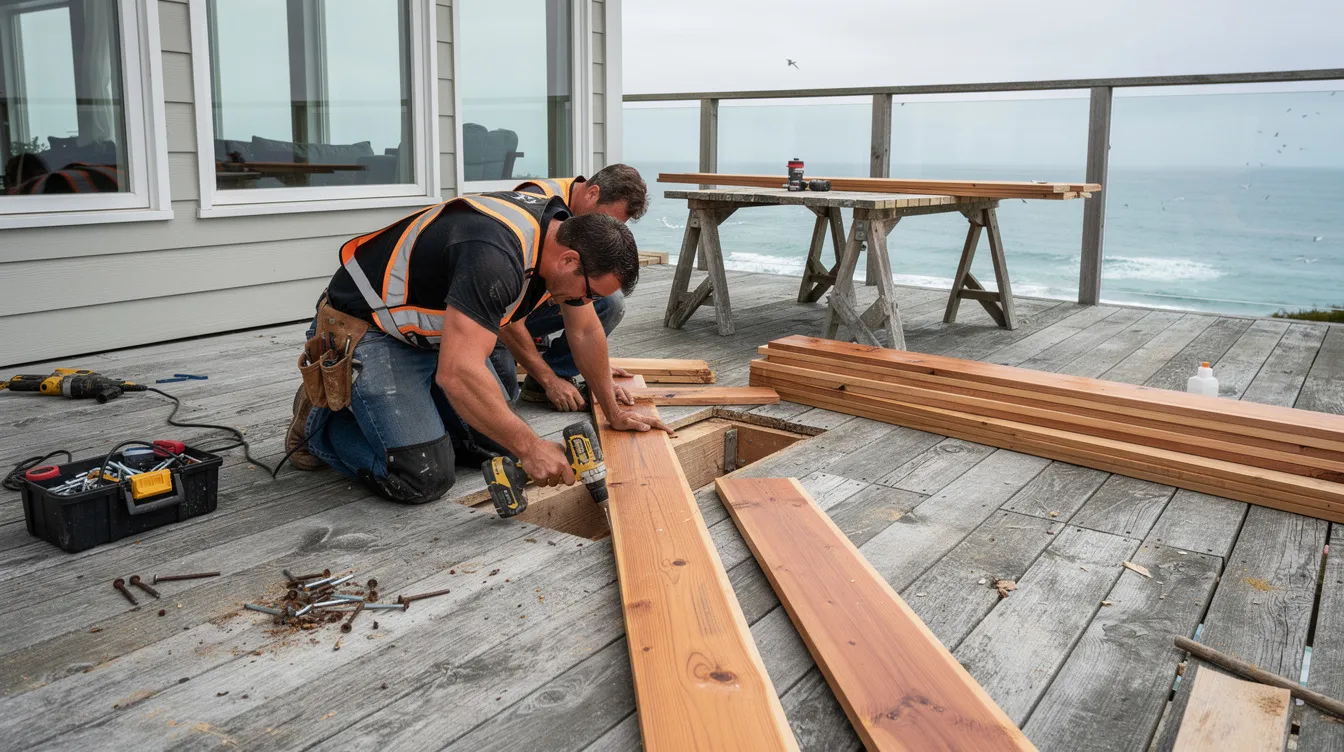
Salt air can cause faster degradation of exteriors, requiring more frequent maintenance. Salt air, wind, and fluctuating temperatures along Long Island Sound accelerate wear on roofs, siding, decks, and mechanical systems compared to inland homes. Plan to budget 1–3% of a home’s value per year for maintenance expenses, with older cottages and direct waterfront properties at the higher end.
Shoreline-Specific Maintenance Items
Component | Coastal Lifespan | Inland Lifespan | Replacement Cost |
|---|---|---|---|
Asphalt roof | 15–20 years | 25 years | $15,000 |
Cedar siding (paint) | 3–5 years | 7–10 years | $8,000 |
Deck | 10 years | 15 years | $10,000 |
Storm-rated windows | 20 years | 25 years | $20,000 |
Additional coastal concerns include:
Bulkhead repairs: $20,000–$50,000 every 20 years for waterfront homes
Foundation cracks from freeze-thaw cycles: $5,000–$15,000
Chimney repairs: $4,000
Dock repairs and dock upkeep for waterfront properties
Many homes in beach associations require seasonal work like winterizing outdoor showers and preparing for coastal storms ($500/season).
Real-World Example
In 2025, a Madison buyer working with Cory discovered $25,000 in deck rot during the home inspection. By conducting a thorough contractor walkthrough before closing, they negotiated a $15,000 seller credit—avoiding a costly surprise post-closing. ASHI inspectors note that 70% of shoreline homes need immediate $5,000+ work.
Special Shoreline Expenses: Flood Zones, Beach Associations, and Seasonal Homes
Some of the biggest surprises for buyers relocating to the shoreline are association fees, private road maintenance, and flood zone requirements that don’t exist in NYC, Boston, or even inland Connecticut towns.
Beach Association Dues
Annual dues vary depending on amenities:
Basic associations: $300–500/year
Madison Seawall Association: ~$500
Old Saybrook yacht clubs: $1,500+ (includes moorings)
Premium private beach communities: Up to $2,000/year
Special assessments for seawalls, roads, or storm damage can add $1,000–$5,000. In Clinton, a 2024 assessment ran $3,000 per homeowner.
Review meeting minutes and budgets before closing—40% of associations have reserves less than one year of operating expenses.
Private Road and Seasonal Costs
Private road maintenance: $200–500/year
Off-season property checks (second homes): $50/visit
Opening/closing house seasonally: $1,500–$3,000/year
Utilities during vacancy: ~$100/month
For summer rentals, note that many shoreline towns restrict short-term rentals. Madison limits rentals to 14 days maximum in many areas.
Cory routinely flags these “hidden” association fees during showings and helps clients obtain financial documents from associations for due diligence before they make an informed decision.
Upfront Costs: Closing Costs and Prepaid Items on the Shoreline
Closing costs in Connecticut typically range from 2% to 5% of the purchase price of a home, which can amount to significant sums depending on the home's value. For a home priced at $400,000 in Connecticut, closing costs could range from approximately $8,000 to $20,000, depending on various factors such as loan type and title insurance.
Buyers on the Connecticut shoreline should plan for closing costs typically ranging from 2% to 5% of the purchase price, plus prepaid taxes and insurance at closing.
Closing Cost Components
Category | Typical Range |
|---|---|
Lender fees | $3,000–$6,000 |
Attorney fees | $1,200–$2,000 |
Title insurance (lender + buyer policies) | $1,000–$2,000 |
Recording fees | ~$100 |
CT conveyance tax (buyer portion) | 0.75% of purchase |
Home inspection | $800–$1,500 |
Specialized inspections (septic, well, radon, structural) | $500–$1,500 |
Prepaids at closing include 3–6 months of taxes and insurance ($3,000–$6,000).
Real Examples
$450,000 Branford condo: Approximately $12,000 total closing costs
$700,000 Guilford single-family home: Approximately $21,000 (including extra coastal structural inspection)
Shoreline homes sometimes involve extra out of pocket expenses for septic inspections ($500), well tests ($400), radon testing ($150), and specialized structural reviews for older beach houses.
You may be able to negotiate seller concessions of 1–2% toward closing day expenses, particularly in slower markets or for homes needing work.
Cory coordinates inspectors and attorneys familiar with Branford, Madison, Guilford, and Old Saybrook closings and helps buyers compare estimated closing cost worksheets from different lenders offering home loans.
Additional Buyer Costs
Down payment: Varies by loan (3–20%+); jumbo loans for higher purchase prices may require 20%+
Private mortgage insurance: Required if putting less than 20% down
Prepaid interest: Covers days between closing date and first payment
Transfer fees and local transfer taxes: Primarily seller responsibility in CT
Long-Term Financial Planning for Shoreline Homeowners
Property taxes, insurance premiums, and association fees along the shoreline tend to rise over time. Reassessments, updated FEMA maps, and community improvements all contribute to cost increases of 4–6% annually. Climate-related FEMA updates may push flood premiums up 10% following new mapping.
Avoiding the “House Poor” Trap
Financial advisors generally recommend keeping total housing costs below 30% of household income. Connecticut’s shoreline average runs closer to 35% for coastal properties. When buyers underestimate shoreline-specific expenses, they risk becoming house poor.
Simple Budgeting Approach
Build your annual budget with these components:
Mortgage (principal + interest rate costs)
Property taxes (escrow or direct)
Insurance (homeowners + flood coverage if required)
Utilities (heating fuel, electric, water/sewer)
Maintenance (1–2% of home value)
Association dues (if applicable)
Reserves ($5,000+/year for roof, HVAC replacement over 20 years)
For clients planning to rent their property short-term or for summer rentals, Cory advises confirming local zoning and association rules. Guilford requires minimum 30-day rentals in many areas, and many associations ban short-term rentals entirely.
Exit Strategy Planning
Keep records of improvements, permits, and insurance claims to protect future resale value. Well-documented improvements can boost sale prices 10–15% when you eventually upsize, downsize, or sell a second home. Strong property values along the shoreline depend on proper maintenance documentation.
Consult a tax professional about capital gains implications if you’re considering the shoreline as an investment.
How Cory Helps You Budget Smartly for a Shoreline Home
Cory Tyler is a licensed real estate salesperson with Berkshire Hathaway HomeServices New England Properties, based in Madison, CT. He serves Branford, Guilford, Madison, Clinton, Westbrook, Old Saybrook, and the broader Connecticut shoreline.
Cory’s Specialty Areas
First-time home buyers navigating CT’s unique cost structure
Relocations from NYC, Boston, and Fairfield County
Second-home seekers wanting to “test drive” the shoreline lifestyle
Clients upsizing, downsizing, or selling inherited/probate properties
Cory’s Process
Review real listings with clients based on their criteria and price range
Estimate realistic monthly and annual ownership costs using current tax rates, insurance quotes, and association documents
Connect buyers with local lenders, inspectors, insurance agents, and attorneys experienced with shoreline transactions
Stress-test budgets to ensure clients can comfortably afford their dream home
With 40+ five-star reviews on Homes.com and Google, clients consistently mention Cory’s responsiveness, clear explanations, and willingness to dig into details like tax histories, flood maps, and association documents.
A recent Fairfield County-to-Westbrook relocation worked with Cory to understand their $2,800/month total non-mortgage costs before making an offer—avoiding surprises and finding a Connecticut home they could enjoy stress-free.
Ready to get your own personalized cost-of-ownership worksheet? Call Cory directly at (860) 539-8301 or send a secure message online.

Ready to Explore the Connecticut Shoreline with Clear Numbers?
You can enjoy Branford-to-Old Saybrook shoreline living without financial surprises if you plan correctly. Whether you’re upsizing from a starter home, downsizing from a larger property, relocating from the city, or buying a second home to test the lifestyle, Cory will walk you through step-by-step budgeting before and after the closing date.
The right mortgage combined with accurate cost projections means you can focus on beach walks, harbor sunsets, and the Connecticut shoreline lifestyle—not unexpected bills.
Call Cory at (860) 539-8301 for a quick, no-obligation consult about your shoreline plans and price range.
Prefer not to call? Message us online—Cory responds quickly and can tailor advice to your specific town, property type, and rental potential goals.
Careful planning now means you can save money later and enjoy everything the Connecticut shoreline has to offer.
Frequently Asked Questions About Shoreline CT Homeownership Costs
How much more expensive is it to own a home on the shoreline versus inland in Connecticut?
Total annual costs (taxes, insurance, utilities, maintenance, association dues) typically range 10–30% higher near the water than for similar inland homes a few miles from Long Island Sound. For example, a 2,200 square foot Madison colonial three blocks from the beach might run $4,000–$7,000 more annually than a comparable home further inland—primarily due to flood insurance ($2,000–$3,000), higher maintenance from coastal exposure, and beach association dues.
Cory can run side-by-side comparisons for specific properties so you clearly see cost tradeoffs between shoreline and inland options, particularly those in different flood zones.
Do all shoreline homes require flood insurance?
Not every shoreline-area home sits in a FEMA AE or VE flood zone. Many properties a few streets back from the water are in Zone X and do not require flood insurance by lenders. Approximately 40% of shoreline inventory falls outside mandatory flood zones.
However, some buyers still choose optional flood coverage even in lower-risk zones—particularly those who’ve seen storm damage firsthand. Insurance costs depend heavily on elevation and specific location relative to Long Island Sound boundary lines.
Cory routinely checks preliminary flood maps during property research and encourages buyers to get quotes early so they understand the impact on their annual budget.
What surprise expenses do shoreline buyers most often overlook?
The most common surprises include:
Beach association assessments (particularly special assessments for seawalls or storm damage)
Higher-than-expected heating costs in older oil-heated homes ($3,600+ annually)
Septic repairs or upgrades near the water ($5,000–$20,000)
Storm-related tree or roof work after nor’easters
Higher bills from running dehumidifiers and sump pumps
Out-of-state buyers often underestimate attorney, inspection, and insurance complexity for older beach cottages and waterfront homes. Cory’s detailed questions during showings specifically aim to uncover these issues before you fall in love with a property.
Is buying a shoreline home as a second home financially realistic?
Many of Cory’s clients successfully own weekend or seasonal homes in towns like Madison, Clinton, and Old Saybrook by carefully budgeting for carrying costs. The key is accounting for property checks, winterization ($1,500–$3,000 annually), and possible caretaker or management costs if you won’t be nearby full-time.
A general rule: budget 1.5x your expected PITI (principal, interest, taxes, insurance) for vacancy and maintenance costs on a second home. Limited rental potential exists, but zoning restrictions in many shoreline towns limit short-term rental income.
Cory can help you weigh second-home costs against long-term goals, including potential eventual full-time retirement to the shoreline in New Haven or New London County areas.
When should I talk to an agent about ownership costs—before or after I get pre-approved?
Buyers relocating or buying for the first time on the shoreline should speak with both a lender and an experienced local agent like Cory early—ideally before touring many homes. Your loan amount pre-approval may not account for shoreline-specific taxes, insurance, and maintenance that affect what you can comfortably afford.
Cory often collaborates with buyers’ lenders to align pre-approval amounts with realistic tax, insurance, and maintenance estimates in specific shoreline towns from Branford to London County communities.
Call Cory at (860) 539-8301 or reach out online to start planning the numbers side of your shoreline move with confidence.