Home Inspection Connecticut Real Estate: A Guide for Shoreline Buyers & Sellers
By Cory Tyler
Introduction: Why Home Inspections Matter on the Connecticut Shoreline
I’m Cory Tyler, a licensed real estate salesperson with Berkshire Hathaway HomeServices New England Properties, based in Madison, CT. I specialize in helping buyers and sellers navigate real estate transactions along the Connecticut shoreline—primarily in Branford, Guilford, Madison, Clinton, Westbrook, and Old Saybrook—though I work across the state whenever clients need me.
If there’s one step in a Connecticut real estate transaction that consistently protects my clients from costly surprises, it’s the home inspection. This is especially true along the shoreline, where the combination of older housing stock, coastal weather exposure, and unique climate conditions creates risks that an untrained eye simply won’t catch. Salt air deteriorates decks and siding. Basements in older colonials develop moisture issues. Roofs take a beating from nor’easters. A thorough inspection brings these potential issues into focus before they become your problem, helping both buyers and sellers avoid costly repairs that could arise after purchase.
My role doesn’t end when I help you find the right house or list your property. I attend inspections regularly, help clients interpret findings, and use the results to negotiate repairs or credits that make sense for everyone involved. Whether you’re a first-time buyer relocating from New York or Boston, a couple moving from Fairfield County to Westbrook, or someone purchasing a second home to test-drive the shoreline lifestyle, understanding Connecticut home inspections is essential to protecting your investment. Being honest and transparent about the home's condition builds trust and helps facilitate smoother transactions. With 40+ five-star reviews from clients who appreciate patience, expertise, and attention to detail, I’m here to guide you through every step.
Ready to get started? Call me at (860) 539-8301 or by reaching out online.

What a Connecticut Home Inspection Covers (and What It Doesn’t)
A standard Connecticut home inspection is a visual, non-invasive review of the property’s readily accessible areas conducted by a licensed home inspector. The goal is to evaluate the home’s condition and identify significant problems, structural concerns, or systems nearing the end of their useful life—not to predict every future issue or guarantee perfection.
Professional inspectors use a comprehensive home inspection checklist to ensure all key systems and components are reviewed and nothing is overlooked.
Systems and Components Typically Reviewed
A professional home inspector in Connecticut will examine the home's structure, systems, and components, including:
Roof: Covering materials, missing shingles, flashings, chimneys, and vents (typically from ground level or eaves)
Exterior: Wall coverings, trim, doors, windows, attached decks, porches, balconies, stairs, railings, grading, and drainage
Foundation and structure: Basement or crawlspace conditions, floor joists, wall framing, and other structural components
Electrical: Service entrance, panels, circuit breakers, grounding, receptacles, light switches, and representative fixture sampling
Plumbing: Fixtures, supply and drain pipes, water heater, water pressure testing, and visible leaks
Heating and cooling systems: Furnaces, boilers, oil or gas equipment, heat pumps, visible ductwork, and HVAC system controls
Interior: Walls, ceilings, floors, steps, stairways, railings, doors, windows, and garage door operators
Insulation and ventilation: Attic insulation type and condition, exhaust fans, and attic access
Inspectors in Connecticut pay particular attention to moisture issues fairly common in basements and crawlspaces, ice dam potential on roofs, and aging mechanicals typical of shoreline homes built before modern building codes.
What’s Usually Not Included
Standard inspections do not cover everything. Without separate specialty inspections, you typically won’t get:
Septic tank internals or system function testing
Well water quality analysis
Chimney flue inspections (Level 2 video scans)
Pest or termite damage assessments
Lead paint or asbestos testing
In-depth mold testing beyond visual observation
Underground oil tank detection
It’s worth noting that inspectors are prohibited from making code compliance determinations, predicting market value, or advising on purchase decisions—those are outside their scope under Connecticut law.
Why Connecticut Buyers Should Never Skip the Home Inspection
For Connecticut buyers, particularly those purchasing older New England homes built before the 1980s, a home inspection is your best defense against costly repairs that could surface weeks or months after closing. Home inspections are not legally required in Connecticut, but they are highly recommended for buyers to avoid costly repairs after purchase. The shoreline towns I serve are filled with charming antique colonials, mid-century ranches, and beach cottages—all of which come with unique maintenance histories and potential hidden issues.
A home inspection cost of $500–$800 is a small price compared to discovering a failing septic system ($20,000+ to replace), a roof that needs immediate replacement ($15,000–$30,000), structural rot in floor joists from years of water intrusion, or outdated wiring that insurance companies won’t cover. These aren’t hypothetical scenarios—they’re issues I’ve seen firsthand in transactions across Guilford, Madison, and Old Saybrook.
When reviewing your inspection report, prioritize findings that impact safety, structural integrity, or major systems. The results of the home inspection can significantly influence the buyer's decision, including whether to negotiate for repairs, request a price reduction, or even withdraw from the purchase if major issues are uncovered.
Shoreline-Specific Risks
Properties along Long Island Sound face conditions that inland homes simply don’t:
Past flooding and storm damage: Coastal storms leave lasting effects on foundations, retaining walls, and drainage systems
Salt-air deterioration: Decks, siding, railings, and metal components degrade faster near the water
Undersized or failing drainage: Sandy soils and older grading can direct water toward foundations rather than away
Moisture-driven rot: Beach properties and seasonal second homes often develop hidden rot in areas with poor ventilation
For first-time buyers and relocation clients from Texas, New York, or Fairfield County, the detailed report from an inspection doubles as a homeowner’s manual. It shows what maintenance tasks you’ll need to tackle in the first 3–5 years, helping you budget and plan ahead.
I help buyers prioritize findings: what’s safety-critical now, what affects your ability to obtain financing or insurance, and what can be addressed as future upgrades. Not every item in a 50-page report requires immediate action—my job is to help you focus on what truly matters for your buyer’s decision.
Specialized Inspections Worth Considering in Coastal Connecticut
Based on the age, location, and type of home you’re considering, I often recommend targeted add-on inspections beyond the standard scope:
Flood and coastal assessments:
FEMA flood zone verification for properties near Long Island Sound
Elevation certificates when applicable (required for some flood insurance policies)
Review of flood insurance implications and costs
Radon testing: Radon is common across Connecticut, including in shoreline towns. Testing for radon in air—and occasionally in well water for properties inland from the coast—is a straightforward, low-cost precaution.
Septic inspection: For homes in Guilford, Madison, Clinton, Westbrook, and Old Saybrook not connected to public sewer, a septic inspection with pumping is essential. A failed system can cost $20,000 or more to replace, and problems aren’t always visible to the inspector during a standard walkthrough.
Other specialized assessments:
Well water quality testing (if applicable)
Chimney inspections for older colonials and capes with wood-burning fireplaces
Mold and moisture assessments in basements and attics
Underground oil tank scans (common in homes that have converted to natural gas)
I help clients decide which additional inspections are worth the cost based on budget, risk tolerance, and long-term plans for the property. For a seasonal beach cottage you plan to renovate, priorities differ from a move-in-ready family home.
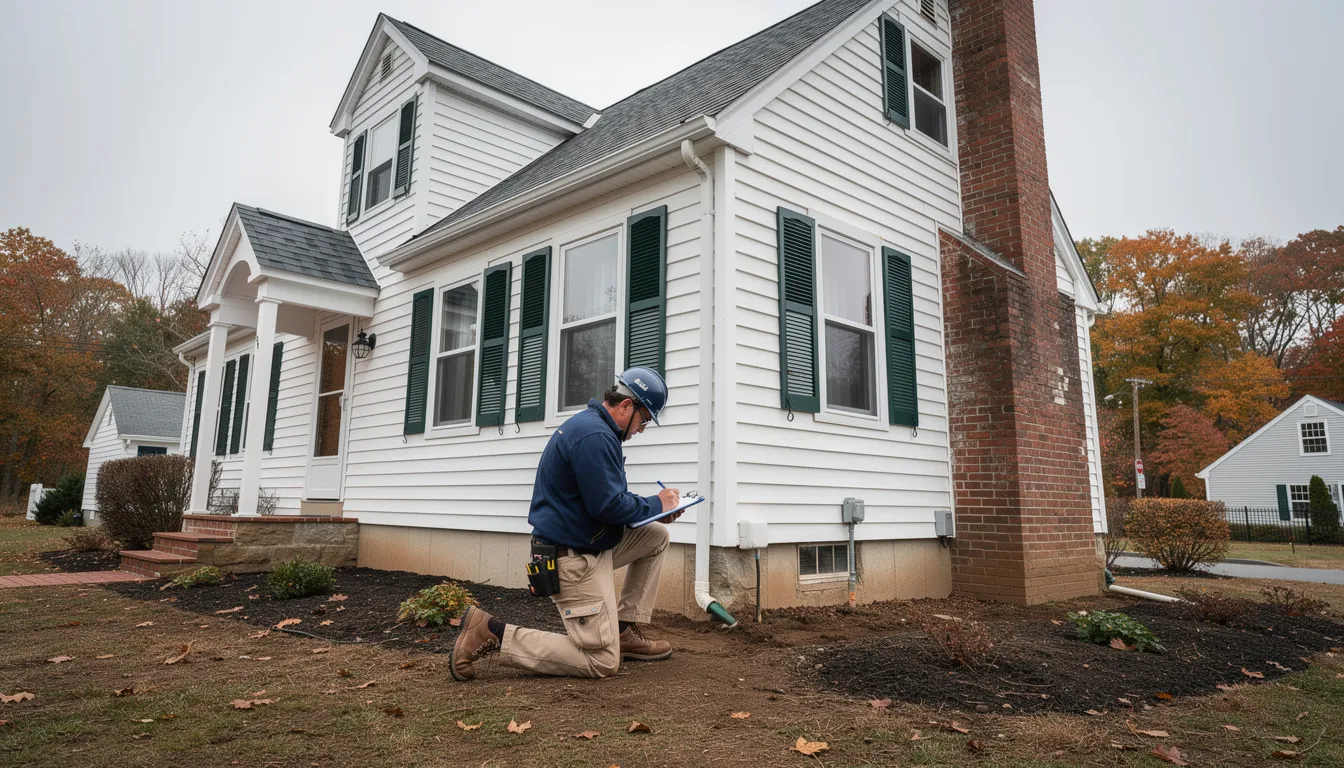
Are Home Inspections Required in Connecticut Real Estate Transactions?
Connecticut does not legally require buyers to obtain a home inspection as part of a real estate transaction. However, the vast majority of lenders, attorneys, and agents—myself included—strongly recommend it. The potential financial complications from skipping this step far outweigh the cost.
Most purchase agreement contracts in Connecticut include a home inspection contingency period, typically 7–14 days after offer acceptance. During this window, buyers can:
Schedule and complete the inspection
Review findings with their agent
Negotiate repairs or credits with the seller
In rare cases, exercise the contingency and walk away from the deal
What About Competitive Markets?
In very competitive markets, some buyers have waived inspections entirely to make their offers more attractive. I rarely recommend this approach, especially for older homes and shoreline properties with moisture exposure, storm history, and decades of wear. The risks are simply too high.
When the market is extremely competitive, I may suggest alternatives that balance speed with protection:
Informational-only inspections: You conduct the inspection but agree not to request repairs, gaining knowledge without contingency delays
Shortened contingency periods: Demonstrate commitment while still completing due diligence
Pre-inspection before offer submission: When timing and seller cooperation allow
My role is to coordinate timing so you don’t miss critical deadlines while still protecting your interests. Skipping the inspection entirely to sell quickly or win a bidding war rarely makes sense when tens of thousands of dollars in repairs could be hiding behind the walls.
How Much Does a Home Inspection Cost in Connecticut?
Home inspection cost varies based on property size, age, and complexity. Here’s what you can expect along the Connecticut shoreline:
Property Type | Typical Price Range |
|---|---|
Small condos and cottages (Branford, Westbrook) | $350–$450 |
Average single-family homes (Guilford, Madison) | $500–$700 |
Larger or antique homes with outbuildings | $750–$900+ |
Specialty Inspection Costs
Specialty inspections are billed separately and typically range from $100–$300 each:
Radon testing: $125–$175
Septic inspection with pumping: $250–$400
Well water quality testing: $100–$250
Chimney flue inspection (Level 2): $200–$350
Underground oil tank scan: $150–$300
Mold testing: $200–$400+
In Connecticut, buyers almost always pay for inspections. This is considered an upfront investment in understanding the property’s condition—not a closing cost that can be rolled into financing. Think of it as insurance against making a major repairs decision based on incomplete information.
I can provide current cost estimates and recommend trusted, local licensed inspectors my clients have successfully used across multiple transactions in Branford, Guilford, Madison, and the surrounding shoreline towns.
For Connecticut Buyers: What to Expect Before, During, and After the Home Inspection
Whether you’re a first-time buyer, relocating from out of state, or purchasing a second home along the shoreline, understanding the inspection process helps you get the most value from this critical step.
Inspections typically occur within the first week or two after offer acceptance. I help schedule with a licensed CT inspector who fits within your contingency timeframe and has experience with shoreline properties.
If possible, I encourage buyers to attend in person. Walking the property with the inspector gives you a chance to ask questions, see issues firsthand, and understand the home’s systems before you own them. For clients relocating from New York, Boston, or further away, video calls and detailed debriefs work well when in-person attendance isn’t feasible.
An average inspection lasts 2–3 hours for a standard single-family home. Larger properties, antique homes, or houses with multiple outbuildings take longer. I’m typically present, helping translate technical explanations into plain English and flagging issues likely to affect negotiations, insurance, or future resale value.
Before the Inspection
Preparation makes the inspection run smoothly:
Access confirmation: I coordinate with the listing agent and sellers to ensure access to attics, basements, garages, crawlspaces, and utility areas. Nothing delays an inspection like a locked basement door or inaccessible electrical panel.
Document review: I review property disclosures and listing history with you beforehand to identify areas needing extra attention—past water intrusion, previous roof repairs, recent repairs to major systems, or an older septic field.
Your questions: Come prepared with a short list of concerns: age of systems, energy efficiency, potential for additions or renovations. The inspection is your opportunity to learn.
During the Inspection
The inspector works methodically from exterior to interior, top to bottom:
Examining the roof, siding, and foundation from the outside
Testing electrical outlets, light switches, and checking for exposed splices, damaged cables, or missing cover plates
Running plumbing fixtures to check water pressure and drain function
Inspecting the HVAC system, water heater, and fuel systems
Documenting findings with photos throughout
I encourage buyers to walk through the property with the inspector, especially in basements, attics, and mechanical rooms. Seeing an issue firsthand—efflorescence on foundation walls, cover plates missing from electrical panels, or a water heater past its service life—makes the written report much more meaningful.
Cosmetic concerns like paint scratches or worn carpet matter far less than safety hazards, structural issues, active leaks, or systems at end of life. I help you focus on what affects the deal, not what can be addressed with a weekend project.
For remote or relocating buyers, I can attend on your behalf and debrief by phone or video call, walking you through key findings and recommended next steps.
After the Inspection
Within 24–48 hours, you’ll receive a detailed report—often 30–60+ pages with photos documenting everything the inspector observed. These reports can feel overwhelming at first glance.
Here’s how I help you make sense of it:
Review together: We go through the report section by section, either in person or by video call
Categorize findings: I separate items into safety/structural concerns, near-term necessary repairs, long-term maintenance, and minor cosmetic notes
Develop strategy: Based on inspection results, we decide whether to request repairs, ask for a price reduction or credit at closing, or proceed as-is. Buyers often use the findings from a home inspection to negotiate repairs or price adjustments with the seller. Negotiation after a home inspection is common, and flexibility can help both parties reach an agreement.
Negotiate: I work with you and, when appropriate, your attorney to submit a reasonable request to the seller
In rare cases, an inspection reveals significant issues or major defects severe enough that walking away makes sense—exercising the home inspection contingency protects you in these situations. If a home inspection reveals significant issues or major defects, the buyer may withdraw their offer entirely.
Long inspection reports are normal. Even well-maintained homes generate multi-page documents. My experience helps you interpret what’s routine wear versus what’s a potential deal-breaker.

For Sellers: Using Home Inspections to Protect Your Connecticut Home Sale
For sellers in Branford, Guilford, Madison, Clinton, Westbrook, and Old Saybrook, the buyer’s inspection can feel stressful. What will they find? Will it derail the home sale? Will you face costly repair demands? Being honest and transparent about your home's condition is essential to building credibility with buyers and establishing trust during the sale process.
With proper preparation and strategy, you can minimize surprises and keep your transaction on track. A buyer’s inspection can impact sale price, repair requests, credits, and whether the deal moves forward—but it doesn’t have to derail an otherwise solid transaction.
I help sellers anticipate likely inspection concerns based on their home’s age and physical condition. Common items that generate repair requests include:
Missing GFCI outlets in kitchens, bathrooms, and exterior locations
Loose or missing handrails on stairs
Peeling exterior paint or rotted trim
Minor roof repairs (missing shingles, deteriorated flashing)
Aging water heaters or HVAC equipment
For probate properties, inherited homes, or second homes used seasonally, deferred maintenance is common. These properties often benefit from a pre-listing assessment to avoid delays once under contract.
A clean home inspection report can give buyers confidence and help your home stand out in a competitive market.
Should Connecticut Sellers Consider a Pre-Listing Home Inspection?
A pre-listing inspection is exactly what it sounds like: a seller-ordered inspection completed before the property goes on the market. Using a home inspection checklist during this process can help sellers systematically identify and address issues before listing, ensuring a smoother transaction. This approach offers several advantages:
Identify major issues early: Address significant problems before buyers discover them
Time to make repairs: Complete work on your schedule, not under contract deadlines
Price accurately: Factor known conditions into your asking price
Build buyer confidence: Transparency often reduces negotiation friction
I may recommend pre-listing inspections for properties with obvious deferred maintenance, estate or probate sales where the owner’s knowledge of the home’s condition is limited, or sellers who want a smoother, lower-stress transaction.
One consideration: Connecticut sellers are typically required to disclose material defects they know about. A pre-listing inspection expands that knowledge. I help clients weigh transparency with strategy—in my experience, informed sellers almost always fare better than those caught off-guard by buyer findings.
How to Prepare Your Home for a Buyer’s Inspection
Simple preparation can prevent unnecessary findings and demonstrate that your home has been well-maintained:
Ensure access to all areas:
Clear space around electrical panels, furnaces, and water heaters
Make crawlspace hatches and attic entrances accessible
Unlock outbuildings, garages, and storage areas
Handle basic maintenance:
Change furnace filters
Replace burnt-out light bulbs
Tighten loose handrails
Test smoke and CO detectors (replace batteries if needed)
Address obvious issues:
Fix slow drains and minor plumbing leaks
Add missing downspout extensions
Replace stained ceiling tiles (document if prior leaks have been fixed)
Secure loose cover plates on outlets and light switches
Gather documentation:
Permits for major work (roof replacement, additions, electrical upgrades)
Manuals for appliances and systems
Receipts for recent repairs (HVAC service, septic pumping, roof work)
This documentation helps buyers and inspectors understand the home’s maintenance history and can reduce follow-up questions.
Responding to Inspection Findings as a Seller
Once the buyer submits a repair request or credit proposal, strategy matters. Not every request deserves the same response.
Prioritize appropriately:
Health and safety items (electrical hazards, active leaks, failed systems) typically warrant attention
Structural concerns affecting the home’s structure or structural integrity require serious consideration
Distinguish between minor issues and significant issues—significant issues can impact the safety, structural integrity, or value of the property and may require immediate action, while minor or cosmetic requests are often negotiable or can be declined
Consider credits instead of repairs:
Credits at closing let buyers handle work themselves
Useful when timing is tight or you live out of state
Avoids disputes over quality of seller-completed repairs
Stay solution-oriented:
Respond promptly and professionally
Focus on what’s reasonable, not emotional reactions to lengthy repair lists
Remember: most inspection findings are routine, not deal-breakers
My role is to negotiate fair, realistic outcomes that move the sale toward closing. Staying calm and responsive usually keeps deals together.
Common Issues Found in Connecticut Shoreline Home Inspections
After years of working with buyers and sellers in Branford, Guilford, Madison, Clinton, Westbrook, and Old Saybrook, I’ve seen patterns in what inspections typically reveal. Identifying significant issues and costly repairs during the home inspection process can help buyers and sellers avoid unexpected expenses and complications. Understanding these common issues helps you prepare—whether you’re buying or selling.
Structural and Exterior Issues
Assessing the home's structure: It's crucial to evaluate the home's structure, including the foundation, walls, and overall framework, for cracks, damage, or wear that could impact the property's physical integrity and safety.
Aging roofs: Missing shingles, deteriorated flashing around chimneys and vents, granule loss indicating end of useful life
Rotted trim and siding: Salt air accelerates deterioration, especially on south and east-facing elevations
Deck deterioration: Loose railings, rotted boards, inadequate ledger board attachment—decks take a beating on shoreline properties
Minor foundation cracks: Hairline cracks are common in older homes; larger cracks or signs of water intrusion need evaluation
Moisture-Related Concerns
Damp basements: Efflorescence (white mineral deposits) on foundation walls, musty odors, visible water staining
Insufficient gutters or grading: Water directed toward foundations rather than away
Attic and crawlspace moisture: Inadequate ventilation leading to mold or mildew growth
Ice dam evidence: Staining on ceilings below roof edges, damaged insulation
System Issues
Older oil tanks: Including underground tanks that may require removal or abandonment
Dated electrical panels: Federal Pacific, Zinsco, or fuse boxes that insurance companies may not cover; missing GFCI protection
Aging heating equipment: Boilers or furnaces 25+ years old nearing end of service life
Plumbing systems: Galvanized pipes corroding from inside, polybutylene piping prone to failure, slow drains indicating partial blockages
Older Building Materials
In antique and mid-century homes, inspectors occasionally note:
Possible lead paint: Common in homes built before 1978
Asbestos-containing materials: Floor tiles, pipe insulation, vermiculite attic insulation
Knob-and-tube wiring: Outdated wiring that may require updating for insurance or safety
These findings require specialized testing or abatement in some cases, but they’re manageable with proper planning. I help clients balance risk, cost, and long-term goals. A 200-year-old colonial with character may require more maintenance than a 1990s cape, but that doesn’t make it a bad purchase—it just requires informed decision-making.

Bottom Line: How Cory Tyler Helps You Navigate Home Inspections in Connecticut Real Estate
Home inspections aren’t legally required in Connecticut, but they’re essential—especially along the shoreline where older housing stock, coastal weather, and unique conditions create risks that standard home viewings simply won’t reveal. Whether you’re buying your future home in Madison or selling a family property in Old Saybrook, understanding the inspection process puts you in control.
My approach is simple: I attend inspections whenever possible, explain findings in clear terms, and advocate for my clients during repair and credit negotiations. I’ve guided first-time buyers through their first regular inspection, helped NYC and Boston relocators understand what’s normal in New England homes versus what’s concerning, and worked with sellers on probate properties to address deferred maintenance before it derails a deal.
With 40+ five-star reviews highlighting responsiveness, patience, and attention to detail, my clients know they’re not navigating this process alone. From walk through to closing, I’m here to make sure you understand exactly what you’re buying or selling.
Ready to buy or sell along the Connecticut shoreline?
Contact me at (860) 539-8301 or by reaching out online for a free consultation and recommendations on trusted local licensed inspectors who know these communities.
Whether you’re sizing up, sizing down, investing in multifamily, or just exploring what shoreline living might look like, I’ll help you make informed decisions every step of the way.