Moving to New Haven, Connecticut: Where Professionals Choose to Live
By Cory Tyler ·
New Haven is one of those places you hear about long before you visit. Maybe it's the pizza. Maybe it's Yale. Either way, once professionals start researching where to land in Connecticut, New Haven keeps rising to the top of the list - and for good reason. This guide breaks down everything you need to know before making the big move, from housing costs and neighborhoods to commute patterns and the food scene that puts this city on the map.
Key Takeaways
-
New Haven, CT is a smart move for professionals, medical and academic staff, and remote workers. With a population of roughly 134,000–140,000 residents, the city sits at the crossroads of Yale University, a growing biotech corridor, and the Connecticut shoreline - all within about two hours of New York City and two and a half hours of Boston by car.
-
Current data puts the median household income in New Haven at approximately $58,914, with median home values ranging from the low $290,000s to mid $300,000s depending on the source. Housing costs here are generally lower than many NYC and Boston suburbs, which is a key draw for relocating professionals.
-
New Haven offers a mix of historic neighborhoods like East Rock and Wooster Square, a nationally recognized food scene (including New Haven's legendary apizza), and easy access to beaches, parks, and the greater New Haven shoreline.
-
Cory Tyler, a licensed real estate salesperson with Berkshire Hathaway HomeServices New England Properties based in Madison, CT, specializes in helping buyers compare living in New Haven versus shoreline towns like Branford, Guilford, and Madison based on commute, lifestyle, and budget.
-
Ready to start exploring? Call Cory at (860) 539-8301 or message him online for personalized guidance before you start touring homes.
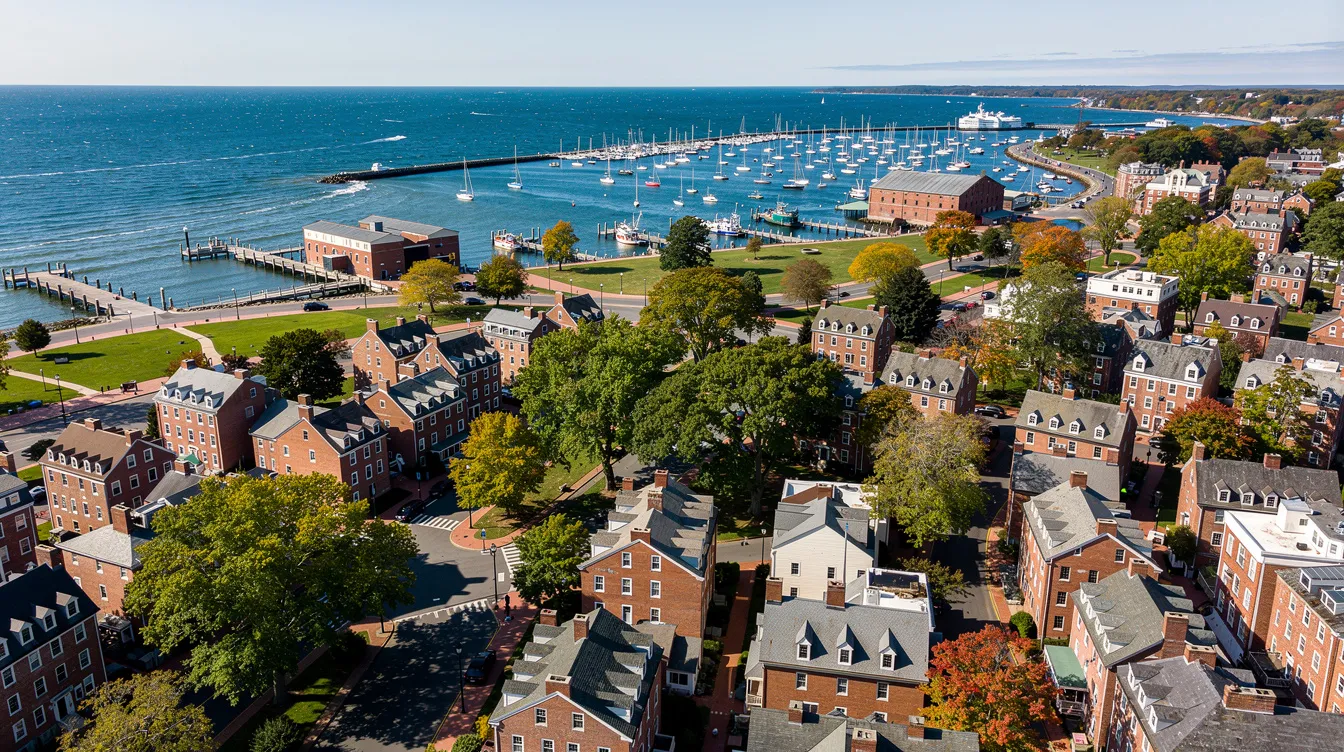
Why Professionals Are Moving to New Haven, CT
New Haven is a small city with big city energy. It functions as a hub for education, healthcare, biotech, and law while maintaining a cost of living that doesn't require a Wall Street salary. You get world-class resources without the commute chaos or price tags of a major city like New York. That combination is hard to find anywhere else in the country.
Yale University anchors much of the economy, but the story doesn't stop there. Yale New Haven Health employs roughly 19,900 people across its system, making it one of the largest employers in the state. The growing bioscience corridor - centered around the Science Park area, 101 College Street, and the Elm City Bioscience Center - is pulling researchers and startup talent from other cities at an accelerating pace. The development of new lab and office space continues to expand possibilities for professionals in life sciences and R&D.
The median household income citywide sits at $58,914, though higher-earning pockets near Yale's campus and the hospital district push that figure well above average. The average commute time in New Haven is about 17.99 minutes - roughly 18 minutes - which leaves more time for the things that actually matter. The unemployment rate in New Haven is 5.59%, and while the city's job market is worse than the national average by some measures, the presence of Yale, its health system, and a growing biotech business ecosystem provide stability that pure job-market statistics don't fully capture.
Location is another advantage. Metro-North trains reach New York City in about two hours from Union Station. Boston is roughly two and a half hours north by car. And the Connecticut shoreline - towns like Branford, Guilford, and Madison - is just a short drive east, giving residents the option for beach access and quieter living without leaving the region.
If you're weighing a job offer in New Haven, it makes sense to talk through neighborhoods, commute options, and realistic housing costs before you accept. Call Cory at (860) 539-8301 or send a quick message online to get started.
Cost of Living in New Haven: What Your Money Buys
New Haven's cost of living is 23% higher than the national average. That said, home prices and rents are generally more approachable than what you'd find in Westchester County, Brooklyn, or central Boston. If you're relocating from one of those markets, your money will stretch noticeably further here.
Here's what the numbers look like right now:
-
The median household income in New Haven is $58,914
-
The median home value in New Haven is approximately $292,553, though some sources tracking recent sales place the median home price closer to $319,000–$467,409 depending on methodology and property type
-
The median rent in New Haven is $1,267, though rents in desirable neighborhoods like East Rock run higher - one-bedroom apartments there average around $2,089
-
Healthcare costs in New Haven are 17% above the national average
When it comes to housing costs, the biggest budget categories break down into mortgage or rent, property taxes, utilities, and transportation. Connecticut carries higher taxes than many states, and New Haven is no exception. Expect property tax bills that reflect the city's older infrastructure and school funding needs. Transportation is a mixed bag: 66.6% of commuters in New Haven drive to work, so a car is the norm, but professionals working at Yale or the hospital can sometimes walk, bike, or use CT Transit buses. For those living on the shoreline and commuting in, Shore Line East train service or I-95 are the main routes, adding both time and cost.
The trade-offs are straightforward. In the city, you'll find lower purchase prices and more multi-family inventory - ideal for house-hacking or investment. On the shoreline, you get more land, newer construction, and stronger school districts, but potentially higher taxes and homeowners association fees in some developments. Neither option is inherently better; it depends on how you want to spend your time and money.
Cory works through these numbers with every client. He helps estimate total monthly housing costs and compares "living near Yale or downtown" versus "living on the shoreline and commuting." If you want a quick cost of living comparison tailored to your situation, fill out this simple contact form .
Best Neighborhoods in and Around New Haven for Professionals
New Haven is a city of distinct neighborhoods. You can walk from Victorian-era brownstone streets to newer waterfront loft-style developments in under twenty minutes. Neighborhoods in New Haven can vary drastically in safety and character, so choosing the right one is worth serious attention. Many professionals also consider surrounding towns when relocating, particularly along the shoreline.
East Rock stands out as the most popular choice among Yale faculty, grad students, and hospital staff. It's covered in more detail below, but in short: historic architecture, tree-lined streets, walkability, and proximity to East Rock Park make it the default neighborhood for professionals who want city living with a community feel.
Here's a quick look at other notable neighborhoods:
-
Downtown New Haven is ideal for proximity to Yale University. With a population of 10,558 residents, it offers the highest density, newest apartment and condo stock, nightlife, and the most walkable lifestyle. Over 120 restaurants sit within the downtown area alone.
-
Wooster Square is known for its Italian heritage and pizzerias. Tree-lined streets, historic charm, and a quieter pace make it a draw for those who want character without paying East Rock premiums.
-
Westville is a residential area neighboring Yale's athletic fields, with a population of 7,902 residents. It has more of a suburban feel while staying inside city limits - a fit for those who want green space and a sense of community.
-
Fair Haven Heights and the East Shore offer water proximity and views, though these areas are more mixed-income and undergoing change.
-
The Annex has a population of 3,808 residents and provides a quieter, more residential alternative close to the waterfront.
-
Dixwell has a population of just over 6,000 residents and sits north of downtown.
-
Cedar Hill has seen its population grow by 29% since 2000, reflecting increased interest in this evolving area.
New Haven is also known for its historic tree-planting programs, which is part of why many neighborhoods - especially along the city's residential corridors - have such a distinctive, canopied look.
Some buyers choose Branford, Guilford, or Madison when they want more space, beach access, or quieter streets and commute into New Haven's hospitals or Yale. North Haven and North Branford are other options for those willing to trade walkability for yard space.
Cory regularly tours clients through both the city and the shoreline, helping them "test drive" different neighborhoods before committing. Call (860) 539-8301 to set up a neighborhood tour focused on your commute, budget, and lifestyle.
Spotlight: East Rock, New Haven's Professional Hub
East Rock is one of the most sought-after neighborhoods for professionals in New Haven CT, and it's not hard to see why. The combination of walkability, historic housing stock, and proximity to Yale and the hospital district makes it a natural landing spot for anyone moving to the city for work.

East Rock is known for its Victorian-style architecture. The housing stock includes a mix of historic multi-family homes, renovated apartments, classic colonials, and smaller condos. Many professionals appreciate owner-occupied multifamily options for house-hacking or investment potential. East Rock has a median home value of $339,514, though prices for larger single-family homes can push well above that - some listings exceed $1 million, especially closer to the park.
Daily-life conveniences are a major draw. You can walk to coffee shops, small markets, and restaurants along Orange Street and State Street. Bus routes provide easy access into downtown and Yale, and bike-friendly routes make it practical for those who prefer not to drive every day.
Favorite things locals love about East Rock include hiking up East Rock Park - a popular outdoor space with 425 acres of trails and ridgeline views of the city and Long Island Sound - strolling Orange Street's shops, and enjoying neighborhood festivals and farmers' markets. The community here is tight-knit in a way that feels genuine, not manufactured.
Cory frequently helps clients compare living in East Rock versus renting or buying along the shoreline - for example, in Branford or Guilford - based on whether they prioritize walkable city life, school districts, or proximity to the beach.
Everyday Life in New Haven: Weather, Commute, and Getting Around
New Haven has hot, humid summers and cold winters - classic four-season weather that defines New England living. Summer temperatures average in the high 70s to low 80s, making it comfortable for outdoor dining, beach days, and park time. Winter highs average in the low 40s and high 30s, with several significant snowfall events each season. New Haven receives about 47 inches of precipitation annually. Spring brings transitional warmth, and autumn delivers the colorful foliage that draws people from around the world.
The average commute time in New Haven is about 18 minutes, which compares favorably to almost any major city on the East Coast. About 66.6% of commuters in New Haven drive to work, while 7.8% of New Haven residents use public transportation. Walking and biking are realistic options for those living in East Rock, downtown, or near the hospital campus.
Transportation options for professionals include:
-
Driving : I-95 is the main freeway through New Haven, with I-91 running north. Parking downtown varies by employer - Yale and Yale New Haven Hospital offer some employee parking, but it can be competitive.
-
Rail : Union Station is a major transportation hub in New Haven. Metro-North trains connect to New York City, and Shore Line East runs east along the coast. The train station also serves Amtrak for longer trips.
-
Buses : CT Transit provides local bus service throughout the city and connecting communities.
-
Biking : Certain corridors - particularly Orange Street in East Rock - are moderately bikeable.
For practical scenarios: commuting from East Rock to Yale takes about 10–15 minutes by car or bike. From shoreline towns like Guilford or Madison into downtown New Haven, expect 20–40 minutes by car depending on traffic and the exact town. Weather can add time in winter, and I-95 congestion during rush hours is real.
Cory advises clients on commute trade-offs when choosing between a condo in East Rock, a rental downtown, or a single-family house on the shoreline. Reach out online to discuss your specific work schedule and transportation needs.
Schools, Yale University, and Higher Education
New Haven is a true university city. Yale University sits at its center - literally and culturally - and the broader education ecosystem includes public, charter, and private schools alongside multiple higher education institutions.
Yale's influence on the community extends far beyond academics. Its gothic architecture defines downtown, and its world-class museums (like the Yale University Art Gallery) are open to the public. Yale draws professors, researchers, medical professionals, and staff who often choose to live nearby in neighborhoods like East Rock or Wooster Square. For young families and academic professionals alike, proximity to campus is a key factor in deciding where to land.
K–12 options in the city include the New Haven Public School District, magnet schools, charter schools, and several private institutions. Families concerned with school quality often look at both city options and the strong school districts in nearby shoreline towns such as Guilford, Madison, and Old Saybrook. The quality of schools is frequently the deciding factor for families choosing between a New Haven neighborhood and a shoreline town.
Other nearby higher education institutions - Southern Connecticut State University and the University of New Haven - also contribute to rental demand and academic professional resettlement, creating opportunities for investors in condos and multi-family property near campus corridors.
Cory helps families and faculty balance school considerations with commute and housing budget without guaranteeing specific school outcomes. If you're a parent or academic professional weighing your options, call (860) 539-8301 to discuss which neighborhoods typically make sense for your situation.
Food, Culture, and "Favorite Things" About New Haven
New Haven is known as the cultural capital of Connecticut. That's not marketing language - it's earned through a density of restaurants, theaters, galleries, music venues, and festivals that rivals cities many times its size. Whether you're a food obsessive, a live music fan, or someone who wants their kids to grow up surrounded by art, this city delivers.

New Haven is famous for its apizza - the coal-fired, thin-crust style that has become a pilgrimage destination for pizza lovers. New Haven's pizza is nationally recognized as the best, and New Haven is known for having some of the best pizza in the country. Modern Apizza, Pepe's, and Sally's are the popular pizza spots that anchor the debate, though most residents eventually find their own favorite neighborhood place. Beyond pizza, New Haven has a diverse food scene with many ethnic restaurants, and the food scene includes top-tier seafood options. With over 120 restaurants in its downtown area, you won't miss dining options here. The city also claims the first hamburger, served at Louis' Lunch since 1900 - a fun piece of history that friends from out of town always want to visit.
The performing arts scene is anchored by three major theaters: the Shubert, Yale Rep, and Long Wharf. These aren't community stages - they regularly host Broadway-bound productions, world premieres, and nationally recognized performances. Yale University offers free amenities like museums and an art gallery, including the Yale Center for British Art , which is the largest collection of British art outside the UK. Artspace hosts a month-long city-wide art show annually, turning studios and storefronts across the city into gallery spaces.
For music, Toad's Place hosts big-name artists and local bands in a venue that's been a haven for live music since the 1970s. College Street Music Hall adds another layer, offering big city caliber performances without the drive to New York or Boston.
Outdoor and recreation favorite things round out the picture: time at Lighthouse Point Park, hiking in East Rock Park, exploring West Rock Ridge State Park, day trips along the shoreline to beaches in Branford, Madison, and Westbrook, and easy weekend getaways around New England. New Haven offers expansive parks with hiking and views of Long Island Sound. The New Haven Green - the haven green at the city's historic center - hosts seasonal festivals and concerts throughout the summer. New Haven features a lively arts and culture scene that makes living here genuinely fun in a way that other cities this size simply can't replicate.
Housing Options in New Haven vs. the Connecticut Shoreline
Many professionals relocating for New Haven jobs consider both the city and surrounding towns. The best place to live depends on whether you prioritize walkability, beach access, school districts, or investment potential. There's no single right answer - only the right answer for you.
Within New Haven, key housing types include:
-
Downtown apartments : Modern builds with amenities, ideal for walkability
-
Historic multi-family homes : Common in East Rock and Fair Haven, often with owner-occupant opportunities
-
Condos : Found throughout East Rock, Wooster Square, and downtown
-
Single-family homes : Available in neighborhoods like Westville and Fair Haven Heights, offering more space
Along the Connecticut shoreline - in Branford, Guilford, Madison, Clinton, Westbrook, and Old Saybrook - the housing landscape shifts to single-family homes on larger lots, beach cottages, condos, and luxury waterfront property. West Haven offers waterfront access at lower price points, while North Haven provides more suburban development with easy access to the city.
Buyer budgets stretch differently in each location. A similar price point might buy a smaller, highly walkable East Rock condo or a larger, more private house a short drive away on the shoreline. The median home value in New Haven sits around $292,553 citywide, but in desirable neighborhoods or along the shoreline, expect to spend considerably more. When factoring in higher taxes in some communities, commute costs, and lifestyle preferences, the total cost comparison often surprises people.
Cory specializes in both the greater New Haven area and shoreline real estate. He often helps clients "test drive" the shoreline lifestyle with rentals or second homes before fully relocating - it's the best bet for people who aren't sure where they want to land long-term. Request a personalized housing strategy to start narrowing down your options.

Working With Cory Tyler on Your Move to New Haven
Cory Tyler is a licensed real estate salesperson with Berkshire Hathaway HomeServices New England Properties , based in Madison, CT. He's built a reputation for concierge-level, client-first services backed by 40+ five-star reviews on Homes.com and Google. Clients consistently describe him as responsive, detail-oriented, and genuinely committed to their best interests.
Cory's typical New Haven–related clients include first-time buyers working at Yale, professionals relocating from New York City, Boston, or Fairfield County, medical staff arriving from across the country, and investors expanding multifamily portfolios in and near the city.
His step-by-step approach includes:
-
Initial consultation : Goals, budget, timing, and lifestyle priorities
-
Curated neighborhood list : New Haven neighborhoods vs. shoreline towns, tailored to your situation
-
Private showings : Scheduled around your availability, often including "test drives" at different times of day
-
Offer strategy and negotiation : Data-driven, competitive, and protective of your interests
-
Inspection and appraisal guidance : Coordination with trusted local professionals
-
Closing support : Hands-on coordination through every step
Cory's communication style is defined by same-day or next-day responses, clear explanations of Connecticut's buying process, and proactive support arranging inspectors, attorneys, and local service providers. You won't have to chase him down for answers.
Ready to start planning your move? Call Cory directly at (860) 539-8301 or send a quick message through his contact form to schedule a no-pressure consultation.
How Cory Helps Different Kinds of New Haven Movers
Cory tailors his approach depending on what each client needs:
-
First-time homebuyers moving for work at Yale or Yale New Haven Hospital : Cory focuses on walkable condos or apartments in East Rock or downtown, helping buyers understand what to expect from older housing stock, and navigating Connecticut's closing process for the first time.
-
Professionals relocating from NYC who want to compare city neighborhoods with shoreline towns : Cory runs side-by-side comparisons of commute time, cost, and lifestyle so clients can make an informed choice rather than guessing.
-
Investors seeking multi-family properties : Cory scouts multi-family homes near bus lines, campuses, and hospital corridors where rental demand is consistent - a smart play in a city with strong institutional employers.
-
Families upsizing or downsizing along the shoreline while still working in New Haven : For these clients, Cory zeroes in on school districts, yard space, and beach proximity in towns like Guilford, Madison, or Branford, while factoring in commute reality.
Cory's knowledge of both New Haven and the broader Connecticut shoreline helps clients avoid overpaying, misjudging commute times, or choosing neighborhoods that don't match their day-to-day lifestyle. That local sense of how each community actually lives - not just how it looks online - is what sets his guidance apart.

FAQ About Moving to New Haven, Connecticut
Is New Haven a good place to live for young professionals?
New Haven is particularly attractive to young professionals due to its major employers - Yale University, Yale New Haven Health, and a growing wave of biotech startups - along with walkable neighborhoods like downtown and East Rock, and a dining and nightlife scene that punches well above its weight. Housing costs, while 23% above the national average, remain far more manageable than comparable neighborhoods in New York or Boston.
Many of Cory's clients in their 20s and 30s choose New Haven as a "middle ground" between big city opportunity and livable scale, often with the option to move to the shoreline later as their needs change. You don't have to figure it all out on day one.
How safe is New Haven, and which areas should I focus on?
Like most cities of its size, New Haven has neighborhoods with higher crime rates and others that feel distinctly residential and stable. Crime is often concentrated in specific areas rather than spread evenly across the city.
Many relocating professionals start by exploring East Rock, Wooster Square, Westville, and parts of the East Shore, as well as nearby shoreline towns. It's smart to review up-to-date crime data and visit neighborhoods at different times of day before making a decision. Cory can help you navigate this during neighborhood tours.
Should I rent first or buy when moving to New Haven?
The right choice depends on job stability, timeline, and familiarity with the area. Some professionals prefer to rent in downtown or East Rock for 6–12 months, then buy once they know their preferred neighborhoods and have built up local friends and routines. Others buy immediately to lock in housing costs and start building equity.
Cory often helps clients structure a "rent now, buy later" plan or, for those ready to commit, a focused purchase strategy that balances New Haven and shoreline options. Reach out for a quick consultation on what makes sense for your situation.
What is the best way to commute from the Connecticut shoreline to New Haven?
Common commute patterns for residents of Branford, Guilford, Madison, and Westbrook include driving along I-95 or Route 1, using Shore Line East trains into New Haven's Union Station, or combining driving and rail depending on schedule and parking needs.
Under normal conditions, expect approximately 15–25 minutes from Branford or Guilford by car, and longer from Madison and Westbrook. Cory helps buyers factor commute time - including weather delays and seasonal traffic - into their neighborhood and housing decisions.
How do I get started planning a move to New Haven with Cory?
Start with a short, no-obligation conversation. Cory will ask about your job location, timeline, budget, family needs, and preferred lifestyle - city versus shoreline, walkability versus space. From there, he outlines neighborhoods to explore, current housing inventory, and next steps tailored to your move.
Call Cory at (860) 539-8301 or use the quick contact form at this link to schedule a phone or video consultation. Whether you're still weighing possibilities or ready to tour homes this weekend, the conversation starts the same way - with what matters most to you.