Upsizing Homes Connecticut: Shoreline Guide for Growing Families
By Cory Tyler
Introduction: Is It Time to Upsize on the Connecticut Shoreline?
Upsizing means different things to different families. For some, it’s trading a two-bedroom condo in New Haven for a four-bedroom colonial with a backyard. For others, it’s leaving a cramped apartment in Stamford to finally have room for a home office, a guest suite, and space where the kids aren’t sharing walls. Whatever your situation, upsizing is about finding a home that actually fits your life—not just surviving in the one you have.
Connecticut is known as the Constitution State, and choosing a constitution state home means settling down in a place celebrated for its high quality of life, excellent schools, and vibrant community—making it an appealing destination for families looking to upsize.
Right now, more Connecticut buyers are making this move than ever before. Remote work isn’t going away. Babies born in 2024 and 2025 need their own rooms eventually. Parents are moving in with adult children. And that “temporary” work-from-the-kitchen-table setup? It’s become permanent, and it’s driving people to seek dedicated office space. These life triggers are pushing families across the state to seriously consider what comes next.
I’m Cory Tyler, a licensed real estate agent with Berkshire Hathaway HomeServices New England Properties, based in Madison, CT. I specialize in helping buyers and sellers navigate the Connecticut Shoreline—specifically Branford, Guilford, Madison, Clinton, Westbrook, and Old Saybrook—though I work across the state when clients need it. This guide is written from my perspective, grounded in the real experience of helping families upsize into homes that actually work for their lives.
Ready to get started? Contact me today at (860) 539-8301 or by reaching out online.

In the pages ahead, we’ll cover how to know you’re ready to upsize, how much house you can realistically afford in Connecticut, what makes each shoreline town unique, and how I help manage the often-complicated process of selling your current home while buying your next one. Whether you’re already in Connecticut or relocating from somewhere else entirely, this guide will give you the framework to make informed decisions about your next move.
Why Connecticut (and the Shoreline) Is a Great Place to Upsize
The Connecticut Shoreline has become a magnet for buyers leaving New York City, Boston, and Fairfield County. The math is straightforward: you can get significantly more space, a yard, and access to beaches—all while staying within commuting distance of major metro areas. Add in flexible work arrangements, and suddenly living along the coast of Long Island Sound becomes not just possible, but practical.
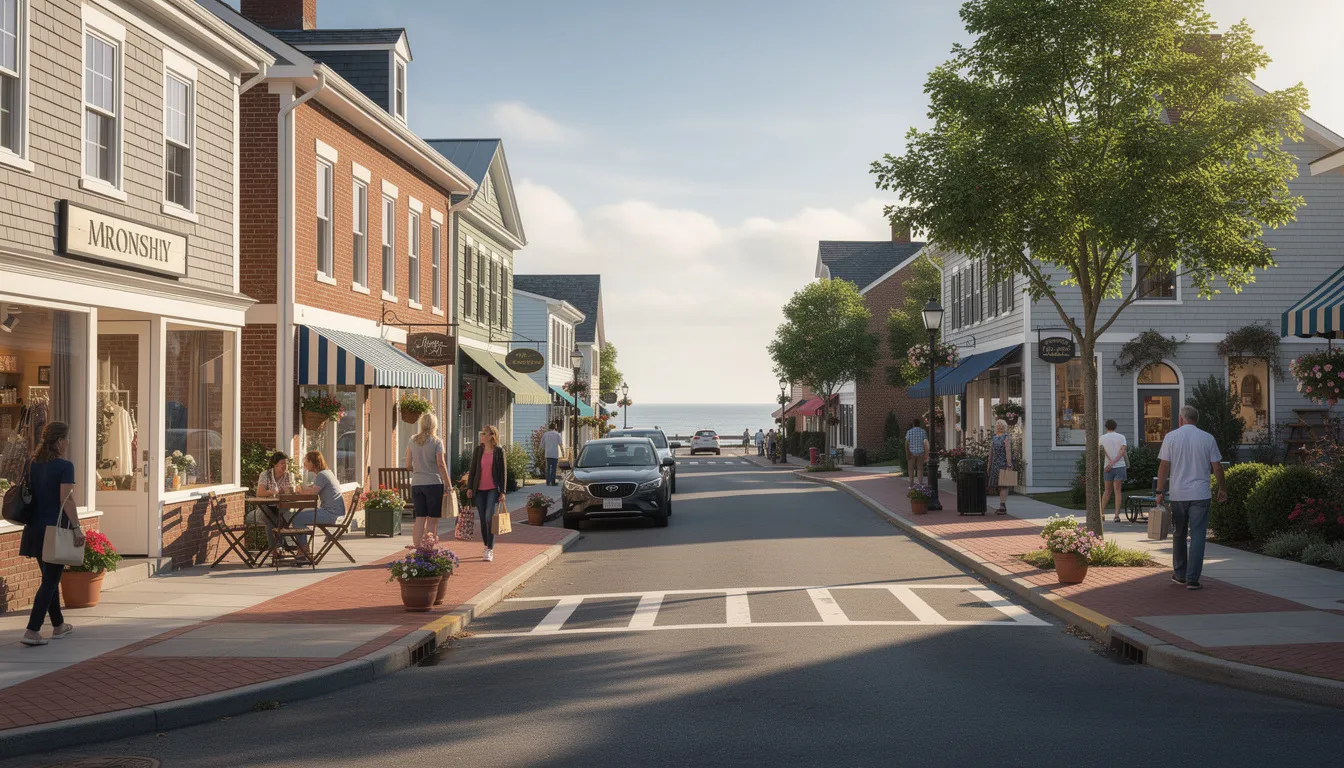
Connecticut, known as the Constitution State, is celebrated for its scenic beauty, strong sense of community, and cultural richness—making it a prime location for relocation and homeownership. What makes this stretch of Connecticut special is the combination of coastal beauty and classic New England charm. Towns like Branford, Guilford, Madison, Clinton, Westbrook, and Old Saybrook each offer walkable town centers, strong community ties, and distinct personalities. You’re not choosing between city convenience and small-town life—you’re getting both.
Lifestyle advantages for upsizers on the Shoreline include:
More square footage at lower price-per-square-foot than Fairfield County
Yards for kids, pets, and outdoor entertaining
Direct access to beaches, bustling marinas, and state parks like Hammonasset Beach State Park in Madison
Excellent schools that consistently rank among the state’s best
A quieter lifestyle without sacrificing access to New Haven, Hartford, or New York
Many of my upsizing clients are new residents relocating from metro areas. They’ve done the numbers and realized that the home they want in Greenwich or Westchester costs 40% more than a comparable property in Madison or Guilford. For remote workers, the commute calculation has changed entirely—and suddenly the Shoreline makes perfect sense.
While my focus is on shoreline communities, I also help upsizers looking inland when budget and space requirements call for it. Towns near Middletown, Killingworth, or Essex offer excellent value for families who want acreage or historic homes without the coastal premium.
Signs You’re Ready to Upsize Your Home in Connecticut
How do you know it’s actually time to move? In my experience, the decision to upsize rarely comes from a single moment. It builds. You notice things that once felt minor now feel impossible to ignore.
Common “it’s time to move” scenarios I hear from clients:
You’ve outgrown your condo in New Haven or Stamford and need a real house
Kids are sharing bedrooms in your Branford ranch, and tensions are rising
You’re constantly shuffling things into storage because there’s no room
Your “home office” is the corner of your bedroom or a closet
Guests have to stay at hotels because there’s nowhere to put them
You can’t host family gatherings because the kitchen and living areas are too small
On the Shoreline, I hear specific triggers tied to local life. Families in Madison want a bigger mudroom for beach gear, towels, and sandy shoes. Clients in Guilford need more parking for visiting family who drive up from New York. Buyers eyeing Old Saybrook want a guest suite so grandparents can stay all summer without everyone feeling cramped.
Many of my 40+ five-star review clients first reached out after realizing their apartment or first home—purchased in 2020, 2021, or 2022—no longer supported their lifestyle. What worked during the pandemic doesn’t work now. The condo that felt like a deal three years ago now feels like a constraint.
My advice: think beyond your current situation. Consider where you’ll be in 5-10 years. Will you have more children? Are aging parents likely to move in? Will remote work still be part of your life? Upsizing is a long term investment, and planning ahead means you won’t need to move again in five years.
How Much More House Can You Afford in Connecticut?
Upsizing is as much a financial decision as a lifestyle one. And in Connecticut, what you can afford varies dramatically depending on where you’re looking. A four-bedroom home in Madison will cost more than the same square footage in Clinton. Fairfield County prices dwarf almost anything on the Shoreline.
Current median price ranges along the Connecticut Shoreline (2024-2025):
Town | Typical 3-4 Bedroom Price Range | Notes |
|---|---|---|
Branford | $450,000 - $700,000 | Beach neighborhoods command premiums |
Guilford | $550,000 - $850,000 | Historic colonials and newer builds |
Madison | $600,000 - $900,000+ | High demand, excellent schools |
Clinton | $375,000 - $550,000 | More affordable coastal option |
Westbrook | $400,000 - $650,000 | Marina access, mix of seasonal/year-round |
Old Saybrook | $475,000 - $750,000 | Historic charm, rail access |
Key affordability concepts for Connecticut upsizers:
Equity as your down payment: If you’ve owned your current home for 3+ years in Connecticut, appreciation has likely built significant equity. Selling a Branford condo or New Haven property gives you a larger down payment for the upsized home.
Impact of mortgage rates: With rates hovering around 6-7% in 2025, monthly payments are higher than during the 2020-2021 buying frenzy. A 1% rate increase adds roughly $300/month on a $600,000 mortgage. Buyers seeking jumbo loans should be aware that these loans require a higher credit score, larger down payments, and have stricter qualification standards compared to conforming loans.
Closing costs: Expect 2-5% of the sale price on both transactions. On a $700,000 purchase, that’s $14,000-$35,000.
Property taxes: Mill rates in shoreline towns range from 20-30 mills. Madison sits around 28 mills, meaning a $700,000 home could carry $12,000-$15,000 in annual property taxes—compared to perhaps $7,000-$9,000 on your current smaller home. For the fiscal year 2025-2026, mill rates in Connecticut vary significantly; Greenwich has one of the lowest at 12.041, while Hartford reaches nearly 69.00. Property taxes in Connecticut are among the highest in the U.S., averaging approximately $8,073 annually.
The general guideline is keeping total housing costs under 30% of gross income. But that calculation changes when you factor in the proceeds from your current home sale. Affordability should include not just mortgage payments, but also increased property taxes, insurance, maintenance, and potential renovation costs.
A standard rule of thumb is to budget 1% to 4% of a home's value annually for maintenance. For larger properties in Connecticut, home maintenance costs can average around $23,515 per year, which includes maintenance, energy, and insurance. Connecticut's energy costs averaged $3,367 annually in 2024, trending higher than the national average.
When I work with upsizing clients, I walk them through realistic budget ranges before we start looking. I connect buyers with trusted local lenders who understand the Connecticut market and can provide updated preapproval letters reflecting their actual purchasing power. Getting pre approved early prevents heartbreak later.
Best Connecticut Towns for Upsizing: Shoreline Focus
Each shoreline town has its own character. Understanding the differences helps you narrow your search and find the right home for your family’s priorities.
Branford
Branford offers a beach-town feel with convenient access to New Haven’s dining, culture, and employment. Neighborhoods like Pine Orchard and Stony Creek attract families seeking waterfront living without the premium of more exclusive coastal towns. Train access makes New York commutes feasible for hybrid workers. Upsizers here often move from New Haven apartments or smaller Branford properties into colonials or cape-style homes with yards.
Guilford
Guilford’s classic New England green anchors a town known for strong public schools (consistently scoring 9/10 on GreatSchools metrics), historic homes, and a strong sense of community. You’ll find everything from 18th-century colonials to newer construction on larger lots. Easy I-95 access means trips to New York or Boston remain manageable. Families upsizing from New Haven or Hamden often land here for the school district alone.
Madison (My Home Base)
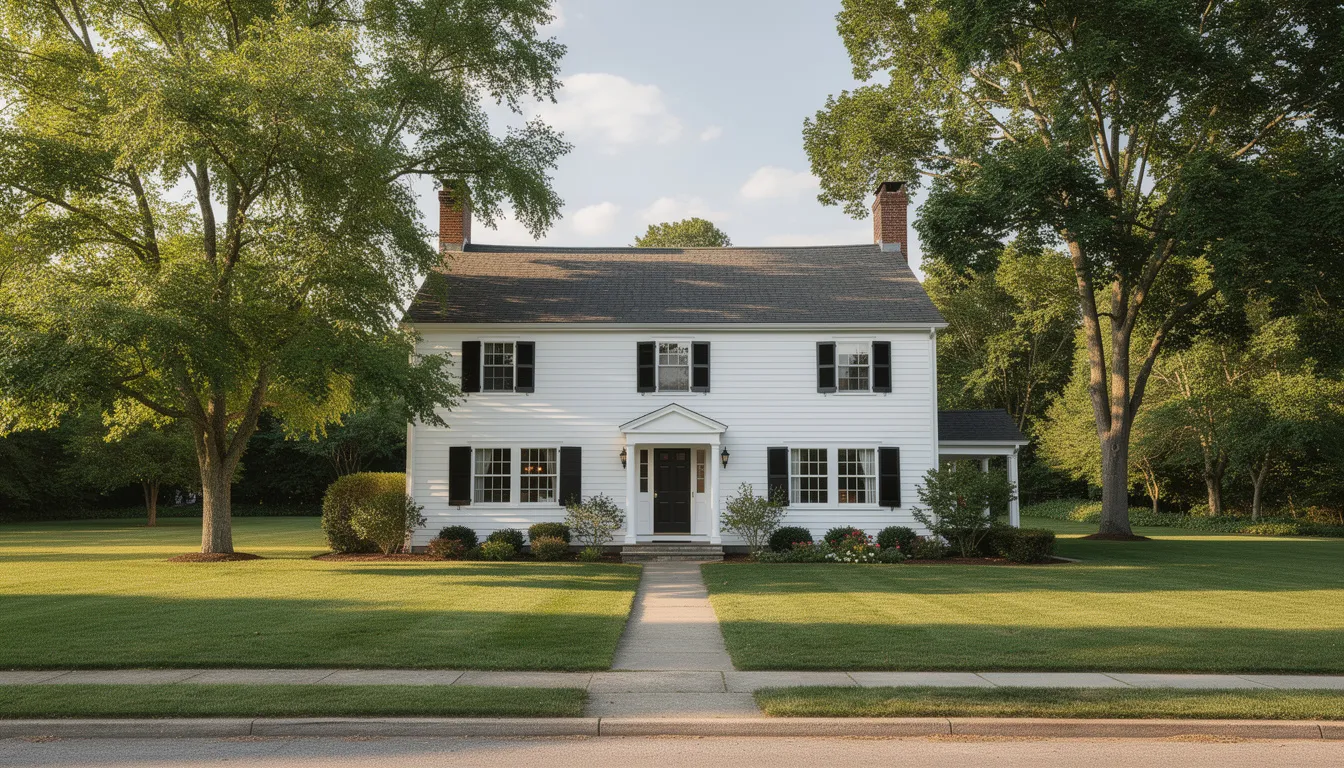
Madison draws buyers with Hammonasset Beach State Park, award-winning schools (Daniel Hand High School places 95% of graduates in college), and a walkable downtown with local shops and restaurants. The housing stock includes antique colonials, mid-century ranches, and newer construction. Many of my clients upsize from smaller Madison cottages or condos into 3-5 bedroom homes that can accommodate growing families, home offices, and visiting grandparents.
Clinton and Westbrook
These towns offer a more relaxed coastal feel at accessible price points. Marinas dot the shoreline, and boating culture runs strong. You’ll find a mix of year-round homes and seasonal properties that new residents are converting to primary residences. The outlets and big-box shopping in Clinton add convenience. For upsizers priced out of Madison or Guilford, Clinton and Westbrook deliver significant square footage without the premium.
Old Saybrook
Old Saybrook combines historic charm with cultural amenities like The Kate theater and a vibrant downtown. Rail access via Shore Line East connects to New Haven and beyond. The town attracts both families and second-home buyers seeking flexible work-from-home setups. Historic homes here require maintenance awareness, but the character and location are hard to match.
Many of my clients ask whether they should test-drive the shoreline lifestyle by renting first or move directly into a long-term upsized home. There’s no single right answer—it depends on your confidence level, timeline, and whether you’re relocating from out of state. About 60% of my relocation clients who rent first end up buying within 12-18 months.
Family-Friendly Activities Along the Connecticut Shoreline
The Connecticut shoreline is a treasure trove of family-friendly activities, making it a top choice for those seeking both adventure and a strong sense of community. With the sparkling Long Island Sound as your backdrop, you’ll find endless opportunities to enjoy the outdoors and soak up that classic New England charm. Families can spend weekends exploring bustling marinas, building sandcastles on local beaches, or hiking the scenic trails in state parks like Rocky Neck and Hammonasset.
History buffs will love visiting the Mystic Seaport, where you can step aboard historic ships and learn about Connecticut’s maritime heritage. Towns like Stonington and Old Saybrook are dotted with beautifully preserved historic homes, offering a glimpse into the region’s storied past. For those who crave a vibrant community life, shoreline towns regularly host festivals, farmers markets, and outdoor concerts—perfect for making memories with your loved ones.
Excellent schools, low crime rates, and a welcoming atmosphere make these towns ideal for families. Whether you’re a first-time buyer or moving up to your next home, the shoreline’s blend of location, lifestyle amenities, and strong schools ensures your family will thrive. From kayaking in the Sound to exploring local museums, there’s always something new to discover along Connecticut’s coast.
Community Involvement: Building Connections in Your New Town
Settling into your new home in Connecticut is about more than just unpacking boxes—it’s about becoming part of a vibrant community. The towns along the shoreline are known for their welcoming residents and active local life, making it easy for newcomers to build lasting connections. Whether you’re attending a summer concert on the green, volunteering at a local charity, or joining a neighborhood book club, there are countless ways to get involved and make your house feel like home.
Many shoreline towns feature lively downtowns filled with shops, restaurants, and cultural venues that host events year-round. These gatherings are perfect opportunities to meet fellow residents, support local businesses, and immerse yourself in the unique character of your new town. For families, getting involved in school activities, youth sports, or community service projects can help children and parents alike form friendships and feel rooted in their new environment.
If you’re a first-time homebuyer, take time to research what makes each community special—whether it’s a town-wide festival, a local sports league, or a volunteer opportunity that matches your interests. By actively participating in your new town, you’ll quickly discover the strong sense of community that makes Connecticut such a wonderful place to call home.
Local Economy and Jobs: What Growing Families Need to Know
When planning a move, understanding the local economy and job market is essential—especially for families looking to put down roots. Connecticut offers a diverse economic landscape, with thriving industries in finance, healthcare, education, and technology. Towns like Stamford, Norwalk, and Hartford provide significant opportunities for career growth, while shoreline communities offer a quieter lifestyle without sacrificing access to employment hubs.
For families, the state’s excellent schools and robust public services contribute to a high quality of life. It’s important to factor in property taxes and local income taxes when planning your budget, as these can impact your overall cost of living. Many towns offer a range of childcare options, after-school programs, and family-friendly amenities, making it easier to balance work and home life.
Before making your move, research the job market in your target towns, review school ratings, and consider how your income aligns with local property values and taxes. By taking a holistic approach to your relocation plan, you’ll be able to make informed decisions that support your family’s long-term happiness and financial well-being in Connecticut.
The Upsizing Process in Connecticut: From Starter Home to Next-Home
Upsizing often creates a “domino” situation: you need to sell your current home and buy a larger one, sometimes on overlapping timelines. The home buying process for upsizers is more complex than for first time buyers because you’re managing two transactions simultaneously.
Here’s how I guide clients through this process step by step:
Step 1: Evaluate Your Current Home’s Market Value and Equity
Before you can plan your upsize, you need to know what you’re working with. I provide a detailed comparative market analysis using recent sales in your town—whether that’s Branford, Guilford, Madison, or elsewhere. We’ll look at what similar homes have sold for, how long they took to sell, and what your realistic net proceeds might be after closing costs and any remaining mortgage balance.
Step 2: Get Updated Preapproval
Your lender needs to understand your complete picture: expected proceeds from the current home sale, your income documentation (pay stubs, tax returns), and the new mortgage limits you qualify for. Many buyers are surprised to learn they can afford more house than expected—or less, depending on rate changes. Work with a lender who understands Connecticut’s market. The Connecticut Housing Finance Authority also offers programs worth exploring.
Step 3: Decide Your Transaction Sequence
You have three main options:
Approach | Pros | Cons |
|---|---|---|
Sell first, then buy | Strongest negotiating position, know exact proceeds | May need temporary housing, moving expenses double |
Buy first, then sell | Secure ideal home, move once | Bridge financing costs, risk of carrying two mortgages |
Coordinate same-day closing | Move once, no temporary housing | Requires precise timing, higher stress |
In Connecticut’s competitive markets (under 2 months’ supply in many shoreline towns), the right approach depends on your risk tolerance and financial flexibility. I help clients weigh these trade-offs based on current market conditions.
Step 4: Prepare Your Current Home for Sale
Staging, professional photography, minor repairs, and strategic timing all impact how quickly your home sells and for how much. We’ll coordinate the listing launch to align with your ideal move-in date for the new property. Sellers who prepare properly often sell faster and for higher prices.
Step 5: Start Touring Larger Properties
Now the exciting part. We’ll tour homes matching your new criteria—more bedrooms, yard space, dedicated home office, whatever matters most. For out-of-state buyers, I preview properties and send detailed video tours so you can narrow options before flying in.
Step 6: Make Your Offer
Depending on whether your current home is under contract, we’ll structure offers appropriately. Contingent offers (making purchase dependent on your home selling) are possible but require careful negotiation in low-inventory markets. Sometimes adding a “subject to seller finding suitable housing” clause with 60-day buffers protects you while keeping the offer competitive.
Step 7: Navigate Inspections and Closings
A thorough home inspection protects you from costly surprises. I coordinate timelines across both transactions so deadlines align and you’re never left without a place to go. This is where having an experienced real estate agent matters most—the details can make or break your move.
Tax Structure and Financial Planning for Connecticut Upsizers
Navigating Connecticut’s tax landscape is a key part of planning your next move—especially if you’re upsizing to a larger home. The state features a progressive income tax system, with rates ranging from 3% to 7%, and property taxes that are among the highest in the nation. On average, homeowners pay about 1.5% of their property’s value in annual property taxes, so it’s crucial to factor this into your budget when considering a new home.
The Connecticut Housing Finance Authority (CHFA) offers valuable programs for buyers, including down payment assistance and access to competitive mortgage rates—resources that can make a significant difference for upsizers. Working with a knowledgeable real estate agent and a financial advisor will help you understand your full financial picture, from estimating your monthly payment to planning for closing costs and future expenses.
To make informed decisions, review your income, set a realistic budget, and explore all available incentives. By planning ahead and leveraging local expertise, you can ensure your transition to a new Connecticut home is both financially sound and stress-free.
Relocation Guide and Checklist for Connecticut Shoreline Moves
Relocating to the Connecticut shoreline is an exciting step, but it comes with its own set of challenges—especially for first-time buyers. A well-organized relocation guide and checklist can make all the difference in ensuring a smooth home buying process. Start by researching towns and neighborhoods that fit your lifestyle, focusing on factors like excellent schools, community amenities, and proximity to work or transportation.
Next, get pre approved for a mortgage so you know exactly how much house you can afford. Understanding the local real estate market, including median selling prices and historic homes, will help you set realistic expectations. Don’t forget to factor in closing costs, property taxes, and moving expenses as you build your budget.
Work closely with a trusted real estate agent who knows the Connecticut shoreline and can guide you through each step—from touring homes to negotiating offers and navigating the final step of closing. If you’re moving from nearby Rhode Island or another state, take time to learn about the Constitution State’s unique communities and strong sense of local pride.
By following a comprehensive checklist and relying on local experts, you’ll be well-prepared to find the right home, settle into your new community, and start enjoying all that Connecticut’s shoreline has to offer.
What Upsizing Looks Like Along the CT Shoreline (Real-World Scenarios)
The best way to understand upsizing is through real examples. These scenarios reflect the types of transactions I handle regularly.
Scenario 1: Fairfield County to Westbrook
A couple in their late 30s was paying a premium for a 2-bedroom condo in Fairfield County. With remote work becoming permanent, they no longer needed to live close to Stamford. I helped them find a 4-bedroom colonial in Westbrook with a large yard, beach access, and a dedicated home office—for less than they were paying in Fairfield. Their equity from the condo sale covered a substantial down payment, and they gained 1,200 square feet.
Scenario 2: New Haven Starter to Guilford Family Home
A family with two young children had outgrown their New Haven starter home. The house was functional when they bought it as first time homebuyers, but with kids approaching school age, they wanted access to Guilford’s excellent schools and more outdoor space. We listed their New Haven property, received multiple offers, and timed the closing to coincide with their Guilford purchase. They moved once, and the kids started school in their new district that fall.

Scenario 3: Texas to Madison Relocation
An executive relocating from Texas to Connecticut wanted to upsize directly into a shoreline home. Having never lived in New England, they rented for six months to “test drive” the area before committing. I showed them towns from Branford to Old Saybrook, and they ultimately chose Madison for its schools and community feel. The rental period let them experience winter, understand commute patterns, and buy with confidence.
Scenario 4: Investor Rolling Equity into Primary Residence
A client who owned a small multi-family property in Branford decided to sell and use the equity toward a larger primary residence. This wasn’t just an investment move—they wanted more space for their growing family. I advised on both the investment sale and the lifestyle-focused purchase, ensuring the numbers worked while finding a home that met their personal needs.
In each case, consistent communication made the difference. I screen properties before clients see them, arrange virtual tours when needed, and coordinate with inspectors, attorneys, and lenders to keep everything moving.
Key Considerations When Upsizing in Connecticut
More space means more responsibility. Before committing to a larger Connecticut home, think through these factors:
Budget Considerations
Higher property taxes: A $700,000 home in Madison might carry $5,000-$10,000 more in annual taxes than your current $450,000 property
Increased utilities: Larger footprints mean 20-40% higher heating, cooling, and electric costs
Moving expenses: Local relocations typically run $5,000-$15,000
Furnishing: That new home has rooms you didn’t have before—budget $20,000+ for basics
HOA fees: Some shoreline communities and condo complexes carry monthly fees
Maintenance Considerations
Historic homes vs. new construction: Older properties in Guilford or Old Saybrook have character but require ongoing maintenance. Newer builds in Madison or Clinton may cost more upfront but less to maintain.
Coastal weather impact: Salt air, storms, and humidity affect roofs, siding, and systems. Flood insurance in coastal zones adds $2,000+ annually.
Annual upkeep: Larger properties with pools, extensive landscaping, or aging systems can cost $10,000+ yearly in maintenance.
Commute and Lifestyle
Balance yard size in Clinton or Westbrook against commute times to New Haven, Hartford, or New York. Shore Line East and Metro-North connections make rail commuting feasible, but check schedules against your work requirements.
School Districts
For families upsizing with children, school district quality often drives town selection. Madison and Guilford consistently rank among Connecticut’s best. District boundaries sometimes split neighborhoods—verify before making offers.
Future Resale
Choose floor plans, locations, and lot types that will remain attractive in 5-10 years. Open layouts, updated kitchens, and proximity to town centers typically hold value. Over-improving relative to neighborhood comps can erode resale value by 10-15%.
How Cory Tyler Supports Connecticut Upsizers Step by Step
My approach to real estate is simple: your interests come first, always. That philosophy has earned me 40+ five-star reviews on Homes.com and Google, with clients consistently highlighting patience, expertise, responsiveness, and willingness to go above and beyond.
What working with me looks like:
Frequent updates: I communicate via phone, text, and email based on your preference. You’ll never wonder what’s happening with your transaction.
Clear explanations: Many upsizers haven’t bought a home in years. I explain each step without jargon, ensuring you understand what’s happening and why.
Patient education: No question is too basic. I’d rather spend an extra hour explaining market trends than have you feel uncertain about a major decision.
Geographic expertise on the Shoreline:
I know these towns at the street level—which neighborhoods are appreciating fastest, which blocks flood during storms, which lots get afternoon sun. This granular knowledge of Branford, Guilford, Madison, Clinton, Westbrook, and Old Saybrook helps clients avoid costly mistakes and find hidden opportunities.
Recent transaction types showing versatility:
Selling a client’s second home on the shoreline
Guiding a family through a probate property sale before upsizing
Helping an investor expand their multifamily portfolio while changing primary residences
Relocating families from Texas, New York, and Boston to Connecticut
I don’t just unlock doors. I evaluate floor plans for livability, assess future resale potential, flag inspection risks, and provide strategic advice on when to be aggressive versus patient in Connecticut’s competitive market. My goal is helping you find the right home—not just any home.
Next Steps: Talk Through Your Upsizing Plan with Cory
If you’re considering a larger home in the next 6-18 months, starting the conversation early gives you time to plan strategically. Rushing leads to compromises. Planning leads to finding exactly what you want.
Practical first steps:
Schedule a consultation with me (phone, Zoom, or in-person in Madison) to discuss your timeline and priorities
Get an updated valuation on your current home so you know your equity position
Connect with a local lender to understand your purchasing power at current mortgage rates
Start identifying which shoreline towns match your lifestyle, schools, and budget requirements
Cory Tyler Licensed Real Estate Salesperson Berkshire Hathaway HomeServices New England Properties Office: Madison, CT Primary Service Areas: Branford, Guilford, Madison, Clinton, Westbrook, Old Saybrook (plus statewide as needed)
I work with local upsizers already in Connecticut and out-of-state buyers relocating from New York City, Boston, Fairfield County, and beyond. Whether you want to test drive the shoreline lifestyle with a rental first or move directly into your forever home, I’ll help you navigate every step with the patience, market knowledge, and hands-on support that define my practice.
Ready to discuss what an ideal upsized home on the Connecticut Shoreline could look like for your family? Reach out today at (860) 539-8301 or by reaching out online—let’s build a plan together.